LVMH's Fenty Beauty Stake: The $2.8B Valuation Problem

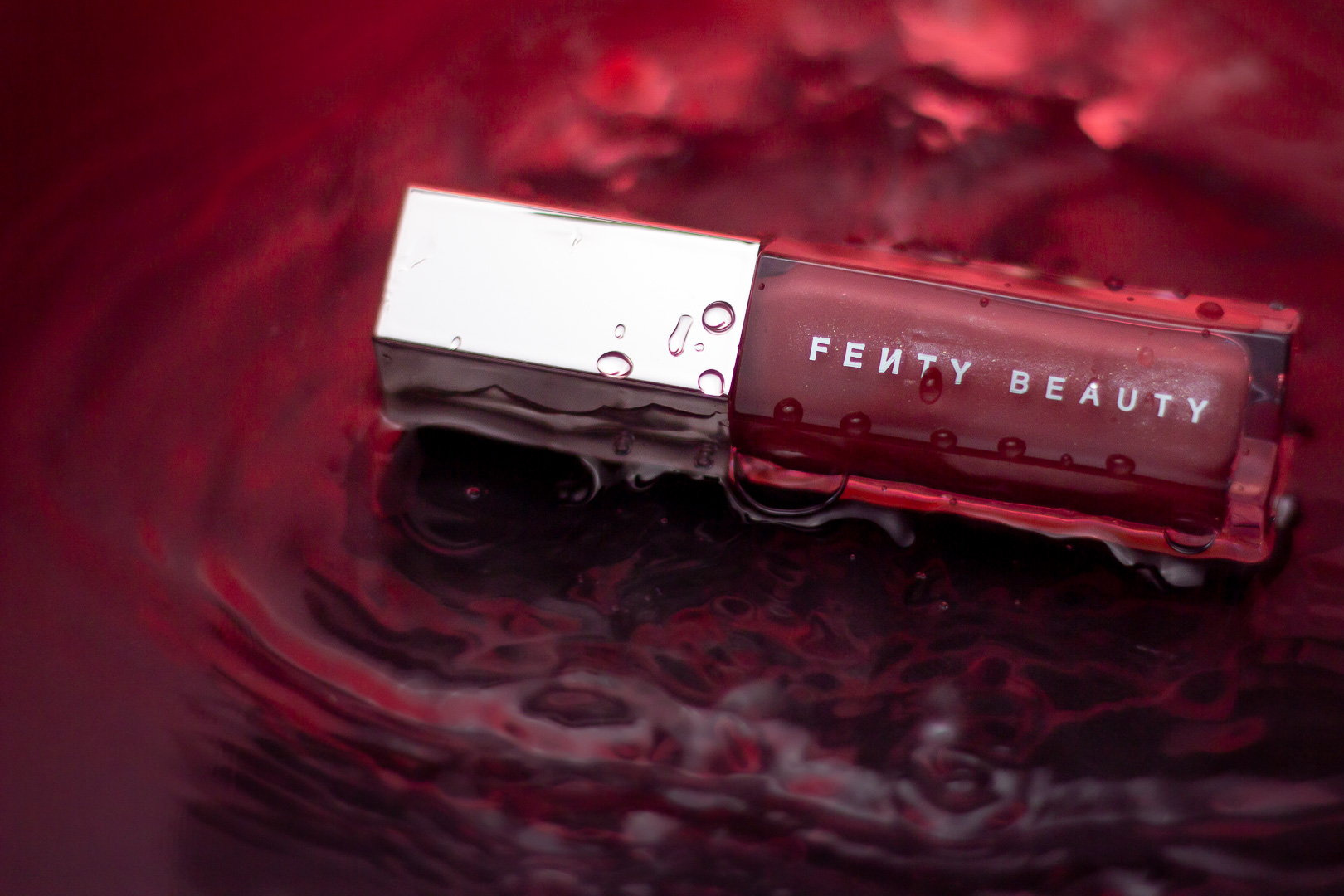
Fenty Beauty's Sephora-exclusive distribution model — initially a strategic advantage that ensured prestige positioning and margin protection — now constrains the portfolio scalability that private equity and strategic acquirers prioritize in nine-figure deals. The brand generated approximately $580 million in 2022 revenue, but its single-retailer dependency limits the geographic expansion potential that would justify LVMH's asking price. Comparable transactions in the prestige color space have traded at 3.5-4.2x revenue multiples for brands demonstrating omnichannel strength across specialty retail, department stores, and owned digital platforms simultaneously.
LVMH's valuation implies a near-5x multiple on current revenue, pricing Fenty Beauty alongside skincare-driven portfolios like Tatcha (acquired by Unilever for $500 million) or youth-positioning disruptors with proven international traction. The disconnect stems from category economics: color cosmetics deliver lower lifetime value and higher customer acquisition costs than skincare or fragrance, the segments currently commanding premium M&A multiples in beauty consolidation plays.
8 billion beauty acquisition — have each demonstrated preference for brands where portfolio rationalization and global scaling can proceed without founder involvement in day-to-day operations.
Celebrity Founder Dynamics Complicate Exit Scenarios
Rihanna's majority ownership stake and creative control introduce structural complexities that institutional buyers typically avoid in large-scale beauty acquisitions. Private equity firms operating in the prestige beauty space — including Advent International, Bain Capital, and Carlyle Group — have systematically pivoted toward founder-transitioned brands or established heritage portfolios where operational control transfers cleanly at closing. The market correction in celebrity beauty valuations following the Kylie Cosmetics writedown by Coty (which paid $600 million for a 51% stake in 2019, later reducing the brand's valuation by $250 million) has further dampened appetite for founder-dependent businesses where product development, marketing, and brand equity remain inseparable from a single individual's participation.
Strategic acquirers face parallel challenges: integrating a celebrity-controlled asset into existing portfolio infrastructure requires navigating talent agreements, approval rights, and creative direction clauses that limit operational synergies. Estée Lauder Companies, L'Oréal, and Shiseido — the conglomerates with capital capacity for a $2.8 billion beauty acquisition — have each demonstrated preference for brands where portfolio rationalization and global scaling can proceed without founder involvement in day-to-day operations.
Rihanna's majority ownership stake and creative control introduce structural complexities that institutional buyers typically avoid in large-scale beauty acquisitions.
The Kendo-Sephora Interdependence Factor
LVMH's ownership of both Fenty Beauty (through Kendo Holdings) and Sephora creates a distribution conflict that any external buyer must immediately resolve. A strategic acquirer from outside the LVMH ecosystem would need to either renegotiate Sephora's exclusive retail agreement or accept dependence on a competitor-controlled distribution channel — neither scenario supports the valuation LVMH seeks. Private equity buyers would face pressure to diversify beyond Sephora to unlock growth, requiring capital investment in alternate retail partnerships precisely when the specialty beauty channel faces traffic challenges and margin compression.
This interdependence suggests LVMH's most viable exit involves internal portfolio restructuring rather than external sale — potentially consolidating Fenty Beauty directly under Parfums Christian Dior or another existing beauty division to streamline operational overhead while maintaining the Sephora distribution advantage that competitor buyers cannot replicate.
Portfolio Reset Implications for Conglomerate Beauty Strategy
LVMH's Fenty Beauty situation signals broader recalibration in how conglomerates approach incubated celebrity brands versus acquired heritage portfolios. The difficulty in monetizing a culturally significant, founder-led brand at premium multiples will likely accelerate strategic consolidation toward established prestige houses where brand equity exists independently of individual founders — precisely the portfolio composition that Estée Lauder Companies and L'Oréal have systematically pursued through recent M&A activity.
Yann Fagniez
Beauty market analyst covering trends, brands, and distribution shifts.