L'Oréal's $42B Beauty Empire Bets on Device Distribution at CES 2026

The serum dispenser, branded as L'Oréal Skin Intelligence Pro, integrates with the company's existing Perso platform technology to formulate custom skincare combinations from proprietary cartridges. The device retails at $299 with subscription cartridge refills priced at $89 quarterly — a recurring revenue model that mirrors Nespresso's profitable capsule distribution architecture. L'Oréal Chief Digital Officer Lubomira Rochet confirmed the device will initially launch across Nordstrom, Sephora, and direct channels in North America before expanding to EMEA markets in Q3 2026. The strategic play extends beyond hardware margins; each device creates a continuous data stream on consumer formulation preferences, usage patterns, and efficacy feedback that feeds L'Oréal's R&D pipeline.
Diagnostic Tools Meet Portfolio Rationalization
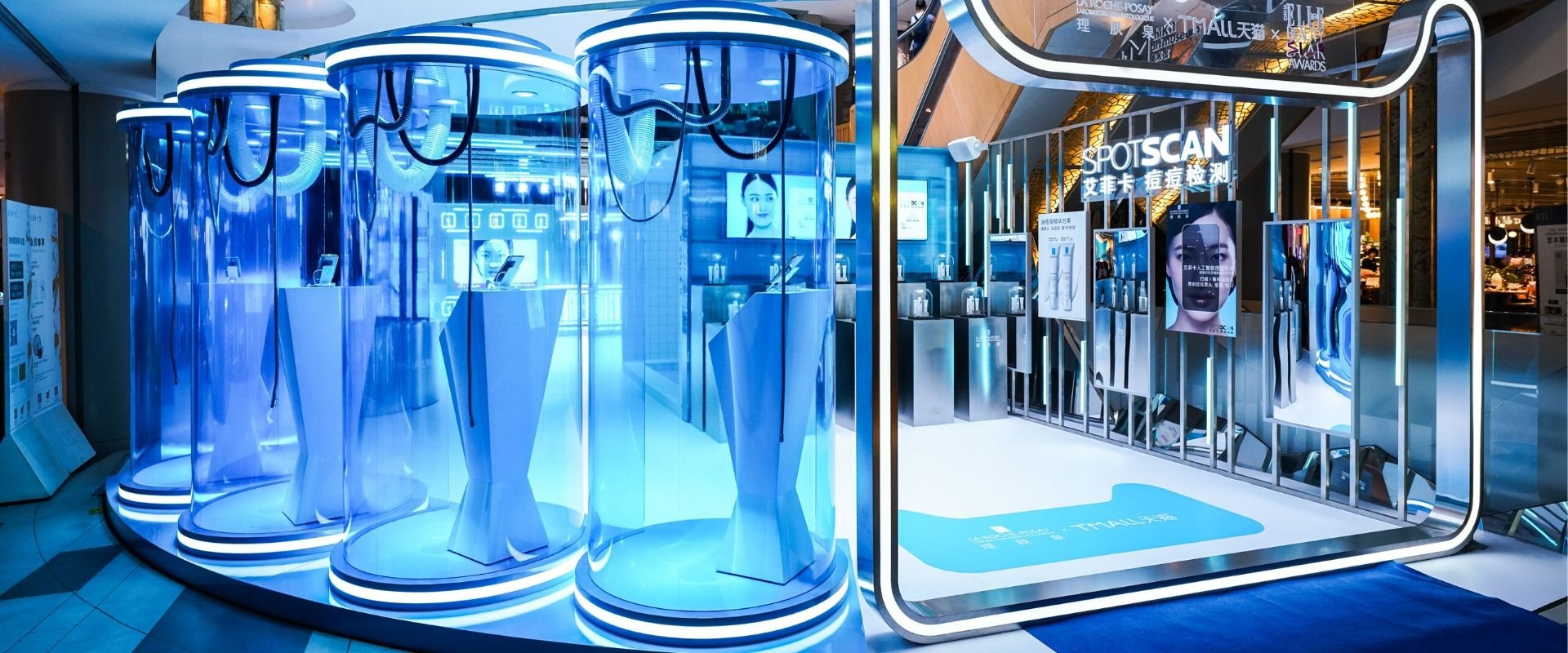
The second device — SkinScan 360 — functions as a handheld diagnostic tool that analyzes hydration, pigmentation, elasticity, and barrier health metrics through spectral imaging technology licensed from neutron imaging firm Neutrogena. Priced at $179, the device connects to a mobile application that recommends products exclusively from L'Oréal's prestige portfolio including Lancôme, SkinCeuticals, and La Roche-Posay. This closed ecosystem approach mirrors Apple's walled garden strategy, directing consumers toward higher-margin prestige SKUs rather than mass market alternatives. The device effectively functions as an automated beauty advisor — a critical capability as department store beauty counters face ongoing labor constraints and specialty retail consolidation accelerates across North American markets.
Capital Allocation Signals Broader Tech Ambitions
L'Oréal's device strategy follows $1.8B in digital and technology acquisitions over the past four years, including investments in augmented reality, AI formulation tools, and direct-to-consumer infrastructure. CEO Nicolas Hieronimus has publicly committed to achieving 30% of group sales through owned digital channels by 2027 — up from 21% in 2024 — requiring sustained investment in consumer touchpoint diversification. The device launches also coincide with L'Oréal's portfolio rationalization efforts; the company divested three mass market brands in 2025 and reallocated capital toward prestige and dermatological categories where device integration delivers clearer margin accretion. Beauty tech devices carry gross margins between 42-47%, compared to 38-41% for traditional prestige skincare formulations, according to proprietary BeautyScale distribution economics data.
Strategic Implications for Competitive Positioning
L'Oréal's hardware expansion places direct pressure on Estée Lauder Companies, Shiseido, and emergent K-beauty conglomerates that have yet to establish substantive device distribution channels. The move also signals potential disintermediation risk for specialty beauty retailers; if consumers adopt at-home diagnostic and dispensing tools, the value proposition of physical beauty retail erodes beyond experiential and discovery functions. For beauty investors, the device strategy represents a calculated hedge against retail consolidation and a deliberate play to own consumer data infrastructure — arguably more valuable than the hardware margins themselves. As prestige beauty brands navigate omnichannel complexity and direct-to-consumer economics, proprietary hardware emerges as a strategic vector for margin preservation and competitive differentiation in an increasingly commoditized formulation landscape.
Paul Chauveau
Beauty market analyst covering trends, brands, and distribution shifts.