Longevity's $60B Inflection: How Agency Portfolios Restructure Around Cellular Science

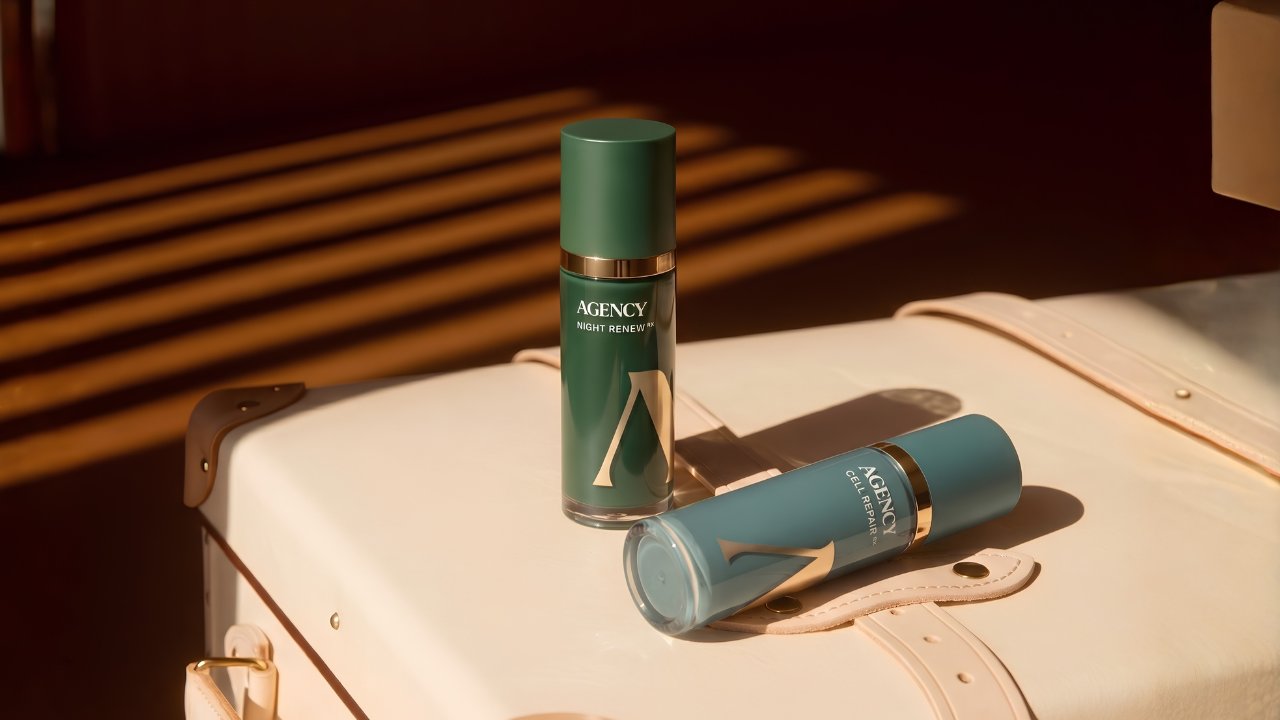
The global skin longevity market is projected to surpass $60 billion by 2030, compounding at a CAGR that outpaces both traditional anti-aging and core prestige skincare. Against that backdrop, Curology's decision to fundamentally reposition Agency is less a brand refresh and more a calculated portfolio reset, one designed to capture a demographic segment that incumbents have chronically underserved and over-simplified.
CEO Kathy Savitt, who transitioned from strategic advisor to operational lead in June 2025, has articulated a target that demands attention from anyone tracking direct-to-consumer teledermatology at scale. Agency currently represents approximately 10% of Curology's revenue base. Savitt's public projection: Agency reaches 50% of Curology's size within two years and doubles it within five. That trajectory, if executed, would transform a subscription sub-brand into the company's primary growth engine ahead of any liquidity event.
Premiumization as a Strategic Lever, Not a Line Extension
The pricing architecture of the overhauled Agency communicates intent clearly. Personalized prescription treatments now open at $110 for a 60-day supply, up from $80 for the legacy Future Formula. Night Renew Rx, which incorporates tretinoin alongside estriol targeting estrogen-related skin changes, carries a $130 entry point for the same supply window. These are not incremental adjustments. They represent a deliberate move toward prestige positioning in a channel where most competitors are racing toward price accessibility.
The ingredient stack reinforces this upward positioning. Cell Repair Rx introduces rapamycin, a compound generating serious momentum across longevity medicine circles and only beginning to surface in commercial skincare. Day Defender Rx deploys resveratrol alongside tiered vitamin C. The formulation philosophy, built around five biological aging pathways including oxidative stress, cellular repair, and DNA damage response, borrows directly from clinical longevity science rather than conventional cosmetic chemistry. SVP of Scientific Innovation Felipe Jimenez, formerly chief scientific officer at Nulastin and president of KDC/One's Benchmark formulation lab, provides the credentialing infrastructure that makes this positioning defensible to skeptical prescribers and patients alike.
Distribution Architecture and the Retailer Question
Curology's parallel retail expansion into Target and Walmart establishes an interesting tension with Agency's current digital-only distribution architecture. The two brands are effectively operating on divergent channel strategies within the same corporate structure. That divergence is intentional, at least in the near term. Keeping Agency behind a telehealth consultation model protects both its prescription revenue stream and its prestige positioning. Masstige erosion is a real risk the moment a brand with $110 treatments appears in a general merchandise environment.
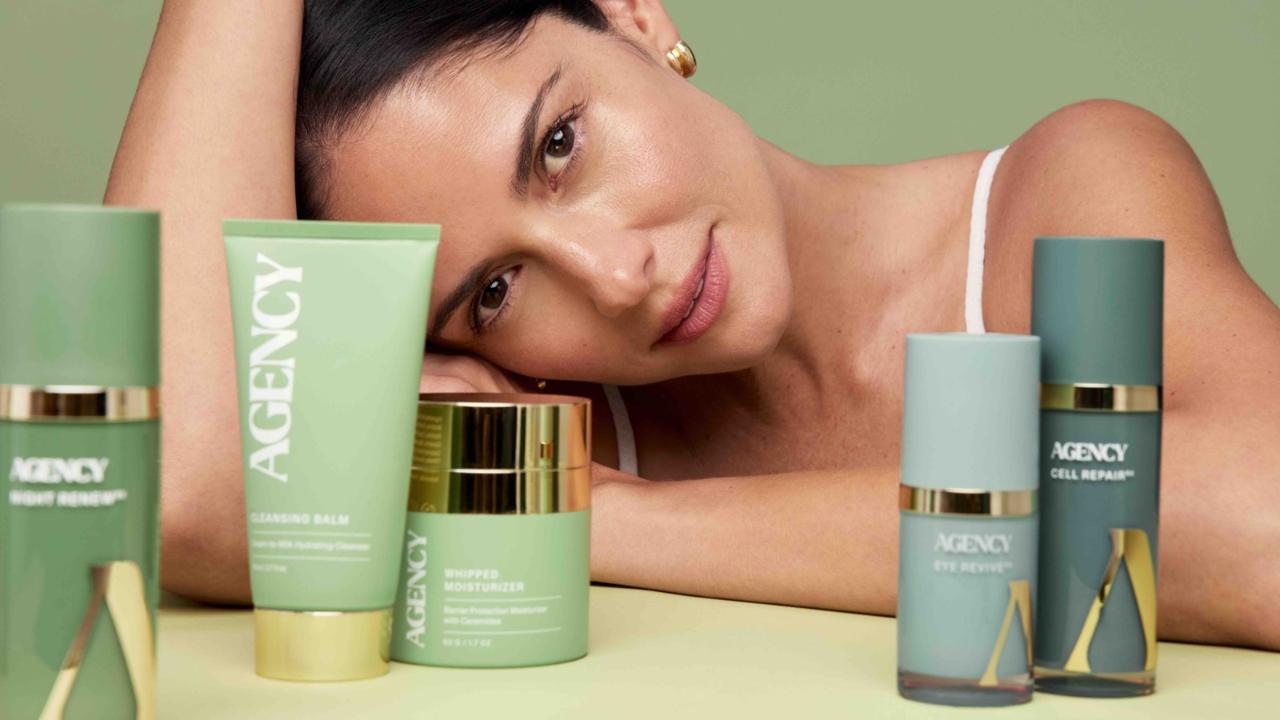
Savitt has floated selective entry into premium retail for Agency's non-prescription SKUs, citing the Skin Smoothing Booster, a peptide-forward serum, as the most likely candidate. Non-prescription products currently account for roughly 20% of Agency's business. That figure is worth watching. If it climbs meaningfully, it signals a willingness to build a prestige OTC layer on top of the telehealth core, a model that Hims and Hers have gestured toward but never executed cleanly in beauty.
M&A Optionality and the Valuation Narrative
Curology carries a reported $1.15 billion valuation from its 2021 financing, sourced from private securities marketplace Forge Global. The company is profitable and not actively fundraising, according to Savitt. That posture, combined with a vertically integrated compounding pharmacy in Pittsburgh operating at roughly one-third of its stated capacity, creates a compelling acquisition narrative for any strategic buyer evaluating teledermatology infrastructure at scale.
The pharmacy asset is likely underappreciated in current M&A conversations. Threefold expansion capacity without facility investment is the kind of operational leverage that pharmaceutical-adjacent strategics and private equity sponsors prioritize when underwriting platform deals. L'Oreal's acquisition of Skinbetter Science and Unilever's continued investment in dermatologist-backed brands illustrate the appetite among tier-one conglomerates for clinically credentialed, direct-to-patient distribution models.
The Longevity Positioning Window Is Narrowing
A Fashion Institute of Technology survey of approximately 1,650 U.S. consumers found that 58% associate longevity science with medicine rather than beauty, even as two-thirds of respondents already purchase longevity-positioned products. That credibility gap is Agency's core opportunity and its primary execution risk. Brands that establish scientific authority in the next 18 to 24 months will own the longevity positioning before the category becomes crowded with cosmetic-grade noise.
Curology's integrated pharmacy, its network of roughly 50 licensed dermatologists and medical providers, and its incoming scientific leadership represent a structural moat that most prestige skincare brands cannot replicate through R&D spend alone. Whether Agency converts that infrastructure advantage into durable brand equity will depend on marketing investment, retail discipline, and the company's ability to hold pricing integrity as the longevity category accelerates.
This article references and builds on original reporting by Rachel Brown for Beauty Independent. Read the original piece here: https://www.beautyindependent.com/curology-overhauls-agency-skin-longevity-focus-big-growth-ambitions/. BeautyScale is a commercial agency; our editorial notes are commentary on industry reporting.
Nya Ravel
Beauty market analyst covering trends, brands, and distribution shifts.