Lip Blurring Meets Biotech: Glow Recipe's $22 PDRN Balm Signals a Broader Skinification Bet at Sephora

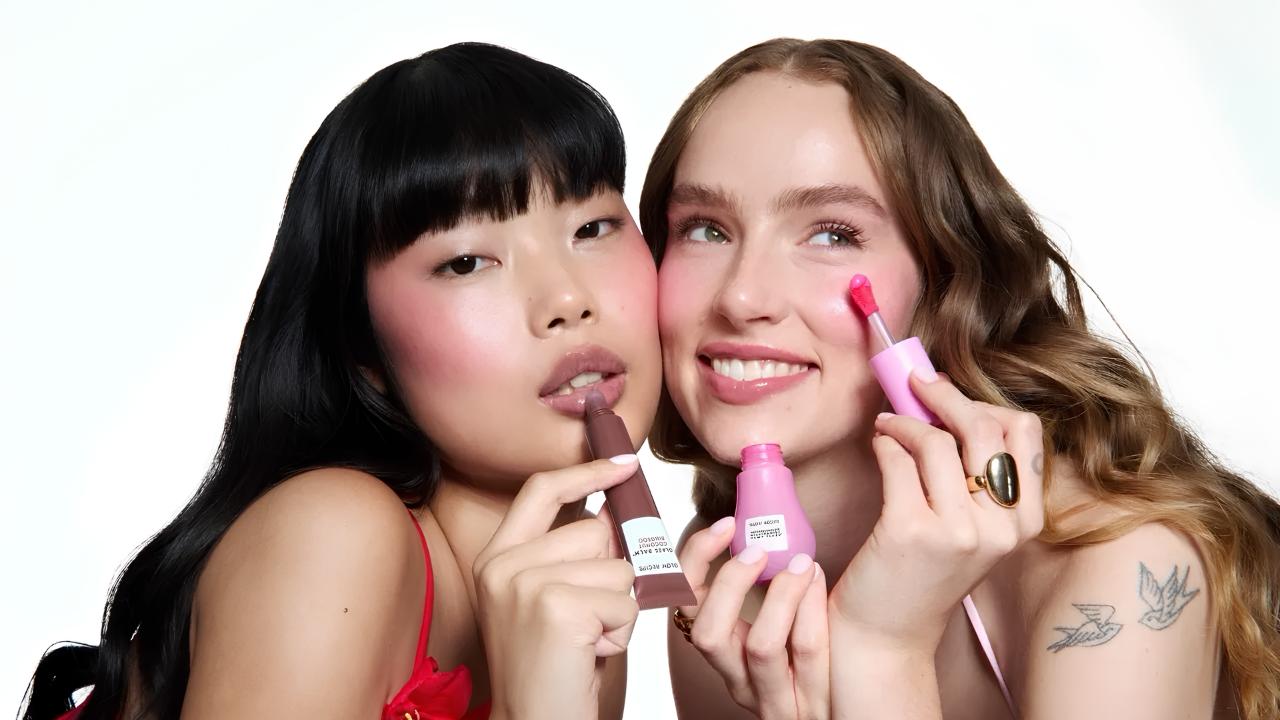
The global lip care market is projected to reach $4.3 billion by 2028, expanding at a CAGR of 6.1% as treatment-first formats displace traditional color cosmetics in the prestige channel. Glow Recipe's new Vegan PDRN+ Tinted Soft Matte Lip Blur Balm, priced at $22 and staged across a three-week Sephora distribution rollout beginning September 2026, is not simply a seasonal trend play. It is a deliberate positioning move inside a distribution architecture that rewards clinical credibility and hero-ingredient storytelling. For a brand that built its equity on fruit-forward skincare and Korean beauty sensibility, the pivot into treatment-tinted lip formats represents a meaningful portfolio reset with measurable strategic implications.
The brands that convert trend launches into durable franchises are the ones that earn preferred shelf positioning, and at Sephora, preferred positioning is a revenue multiplier that no amount of digital spend can fully replicate.
The PDRN Signal Is Bigger Than One SKU
Polynucleotide-derived ingredients, broadly categorized under the PDRN umbrella, have migrated from clinic-grade aesthetics into prestige retail at a pace few ingredient cycles have matched in the past decade. Glow Recipe's decision to anchor this launch around a vegan Prickly Pear PDRN+ complex, a lower molecular weight alternative to traditional animal-derived PDRN formulated for enhanced absorption, positions the brand at the intersection of two durable macro-forces: the premiumization of lip care and the mainstreaming of regenerative skincare inputs. Clinical data attached to the launch is notable by mass-market standards. An independent study on 30 subjects reported a 68% improvement in lip hydration after one week, with 100% of consumer panelists agreeing that lips appeared fuller and plumper. Those numbers, however modest the sample size, function as retail-floor permission structure inside Sephora's prestige environment. They justify the price point and differentiate the SKU from the crowded field of tinted balms competing below $20 at mass.
Distribution Architecture as Brand Strategy
The sequencing of Glow Recipe's retail rollout warrants close attention. Sephora.com launched first, followed by Sephora at Kohl's on September 3, direct-to-consumer on glowrecipe.com on September 7, and full in-store availability on September 25. This phased rollout is a deliberate demand-seeding mechanism. Digital channels generate early review velocity and search equity before the product occupies physical shelf space, a strategy that reduces markdown risk and supports sell-through discipline in the first 90-day window. The inclusion of Sephora at Kohl's is strategically significant and underappreciated. That channel sits at the masstige inflection point, attracting a Kohl's-frequency shopper who is trading up from the drugstore while remaining price-sensitive to prestige thresholds. A $22 lip treatment-color hybrid is architecturally suited to that customer. Glow Recipe is not discounting into masstige. It is positioning a prestige-grade, ingredient-led product within a channel that is actively premiumizing.
Digital channels generate early review velocity and search equity before the product occupies physical shelf space, a strategy that reduces markdown risk and supports sell-through discipline in the first 90-day window.
Portfolio Reset and the Skincare-Makeup Convergence Play
Glow Recipe has historically operated as a skincare-first brand. Its Watermelon Glow franchise established the template: clinically inspired actives delivered in sensorial, aesthetically distinctive formats with strong digital amplification. Extending that template into color cosmetics through a lip blur balm is a portfolio reset that follows a well-documented playbook, one executed previously by brands including Summer Fridays, Tatcha, and Laneige. The risk is channel dilution and brand equity confusion. The mitigation is ingredient-forward positioning that keeps the product firmly in the skincare conversation even as it competes on a makeup shelf. The six-shade lineup, ranging from Watermelon Hwachae to Midnight Pocha, reflects a K-beauty naming architecture that reinforces brand origin without requiring consumer education. That is efficient brand equity deployment.
What This Means for M&A and Competitive Positioning Through 2027
Glow Recipe remains founder-led. Christine Chang and Sarah Lee have maintained independence in a consolidation cycle that has absorbed many peers. However, launches like this one increase the brand's strategic value inside any future M&A conversation with a large beauty conglomerate seeking K-beauty credibility, treatment-color convergence IP, and a proven Sephora distribution architecture. The lip treatment segment at prestige retail is entering a competitive compression phase. E.l.f. Beauty's upmarket moves, Rare Beauty's continued momentum, and the expansion of clinical brands like Naturium into color adjacencies are all narrowing the white space. Glow Recipe's ability to defend margin and distribution priority at Sephora over the next 18 months will depend on whether PDRN+ can sustain ingredient demand beyond the current trend cycle. If the compound annual growth rate of regenerative skincare inputs holds through 2026 and into 2027, this SKU could function as a category-anchoring hero rather than a seasonal rotation item. The brands that convert trend launches into durable franchises are the ones that earn preferred shelf positioning, and at Sephora, preferred positioning is a revenue multiplier that no amount of digital spend can fully replicate.
This article references and builds on original reporting by happi.com. Read the original piece here: https://www.happi.com/breaking-news/glow-recipe-capitalizes-on-lip-blurring-craze-with-pdrn-tinted-balm/. BeautyScale is a commercial agency; our editorial notes are commentary on industry reporting.
Martin Jacob
Beauty market analyst covering trends, brands, and distribution shifts.