L'Oréal's Refill Architecture: How a $46B Beauty Conglomerate Is Rebuilding Its Distribution Logic From the Packaging Up
Forty-two percent of global beauty consumers do not know that refillable product formats exist. For a category projected to surpass $650 billion in retail value by 2032, that awareness gap is not a communication problem. It is a structural one, and L'Oréal is treating it as such.
The group's expanded #JoinTheRefillMovement campaign, timed to World Refill Day on June 16, now spans 28 products across 18 brands and all four of L'Oréal's operating divisions. Since the initiative's 2024 launch under L'Oréal Luxe, the company has grown its refillable product formats by 34 percent in a single year and expanded refillable SKU references by a factor of 3.7x since 2019. These are not marketing metrics. They are indicators of a deliberate portfolio reset playing out at industrial scale.
Refill as Distribution Architecture, Not Sustainability Theater
The distinction matters for brand managers and retail buyers alike. Antoine Vanlaeys, L'Oréal's chief operations officer, framed the initiative explicitly in supply chain terms: the company sources, manufactures, and distributes more than 7 billion products annually, and introducing refill formats requires rebuilding logic across the entire value chain, not simply appending a secondary SKU.
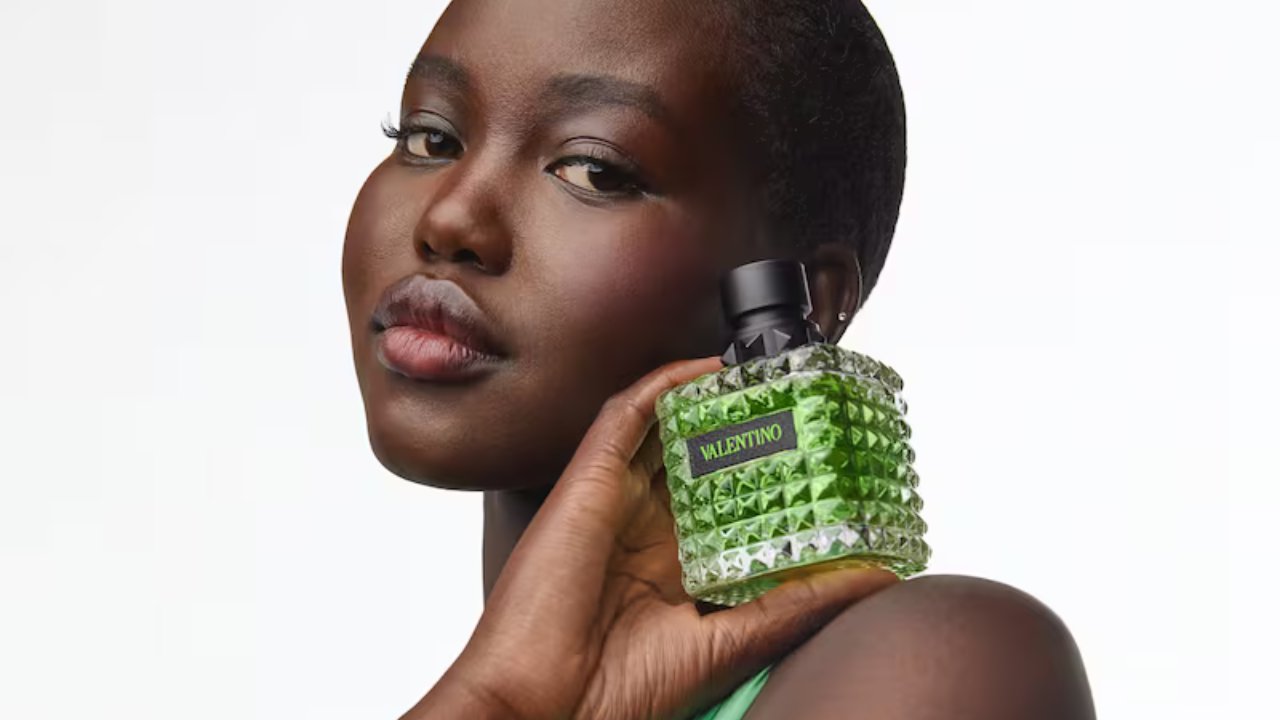
The YSL Libre refill data point, where a 100ml format generates savings of 58 percent on glass and 100 percent on metal versus two 50ml units, is useful precisely because it reframes value without requiring a downgrade in brand experience.
That framing signals a shift in how L'Oréal is thinking about retail shelf architecture. Refill formats require dedicated placement, distinct merchandising, and retailer training, which means the distribution architecture for participating brands must accommodate a parallel product tier. For retail partners in EMEA and APAC, that translates to negotiation leverage and, in some cases, incremental margin on a higher-velocity unit.
Prestige Positioning and the Desirability Constraint
The more consequential strategic tension here involves prestige positioning. L'Oréal's luxury division carries brands including Lancôme, Prada Beauty, Yves Saint Laurent, and Kérastase, all of which now participate in the refill program. Vanlaeys cited Kérastase's Elixir Ultime as the clearest example of the design challenge: a glass-encased, premium-priced hair oil that must deliver a refillable experience without compromising the tactile and visual cues that justify its price point.
That constraint is not trivial. The premiumization thesis that has driven prestige beauty's outperformance over mass since 2020 depends on a coherent sensory contract between brand and consumer. Refill formats that degrade the unboxing experience, reduce perceived exclusivity, or introduce friction at the usage stage carry real brand equity risk. The YSL Libre refill data point, where a 100ml format generates savings of 58 percent on glass and 100 percent on metal versus two 50ml units, is useful precisely because it reframes value without requiring a downgrade in brand experience.
Masstige and Mass: The Volume Argument
At the mass and masstige tiers, the calculus is different and, in some respects, more straightforward. L'Oréal Paris Elvive, the group's number-one hair care brand globally by volume, now ships its refill pouch with 60 percent less packaging material and primary packaging that is 20 percent lighter, at zero perceptible consumer impact according to Vanlaeys. At Elvive's distribution scale, those reductions represent material cost savings that flow directly to margin, an argument that should resonate with CFOs reviewing input cost forecasts through 2026.
Juti acknowledged that refill availability on physical retail shelves remains insufficient, and that the campaign is partly designed to create pull from retail partners rather than push from brand teams alone.
Chief corporate affairs and engagement officer Blanca Juti reported that the 2024 campaign drove seven times the group's typical social media engagement while it was active. For brand managers calibrating media investment, that multiplier is a cost-per-engagement argument, not a sentiment story.
Retail Partnership as the Remaining Variable
The unanswered strategic question is not whether refill formats work. It is whether the retail infrastructure exists to support them at the velocity L'Oréal needs to validate the model financially. Juti acknowledged that refill availability on physical retail shelves remains insufficient, and that the campaign is partly designed to create pull from retail partners rather than push from brand teams alone.
That dynamic has M&A implications. Retailers and specialty beauty chains that invest early in refill-capable display architecture, dedicated SKU placement, and associate training will hold a negotiating advantage in future brand distribution conversations, particularly as L'Oréal and peers continue to rationalize wholesale relationships in favor of partners who can support full brand experience delivery.
As the global packaging reduction agenda tightens under extended producer responsibility regulations across the EU and in key APAC markets, the brands that have already pressure-tested their refill distribution architecture will enter the next regulatory cycle with a measurable operational advantage. L'Oréal is not building a campaign. It is building a moat.