K-Beauty's $2.8 Billion Pivot: How Korean Innovation Is Redrawing U.S. Distribution Architecture

U.S. K-beauty sales reached $2.8 billion in early 2026, a 48% year-over-year increase according to NielsenIQ data, and the category's expansion is no longer a skin care story. It is a distribution architecture story, a brand strategy story, and increasingly, an M&A story.
The current K-beauty surge differs structurally from the first wave of the 2010s, which concentrated Korean innovation inside a narrow set of skin care formats and failed to generate durable brand equity at U.S. retail. What has changed is the underlying commercial infrastructure. TikTok-accelerated commerce, influencer-driven discovery, and a U.S. consumer base already acculturated to Korean aesthetics through music, film, and food have created the conditions for category-level penetration rather than trend-level penetration. The implications for brand positioning and retail placement are significant across every segment of beauty and personal care.
Distribution Is Expanding Beyond Core Beauty Channels
Korean facial skin care on Amazon grew 80% in the first half of 2026, three times the rate of the overall skin care category on the platform, with Medicube ranking as the top-selling beauty brand in Q2 2026 according to e-commerce agency Front Row. That velocity is forcing Sephora and Ulta to accelerate their K-beauty assortment builds, creating shelf-space competition that benefits Korean-made brands across categories. Olive Young's first U.S. store opened in Los Angeles in May 2026, establishing a dedicated retail channel for Korean brands that bypasses legacy prestige and masstige distribution entirely.
For strategic acquirers, particularly portfolio operators with existing prestige positioning in skin care or personal care, these brands represent low-cost entry into adjacent categories with proven demand signals.
The Olive Young entry is a structural signal, not a cultural moment. A vertically integrated Korean beauty retailer with over 1,300 domestic locations operating as a standalone U.S. concept introduces a new distribution variable that U.S. multi-brand retailers have not previously competed against in this format. Brands with Korean manufacturing credentials now have a credible third retail axis alongside Sephora and Ulta, which materially changes negotiation leverage and exclusivity economics.
The "Made in Korea" Label Functions as Prestige Positioning
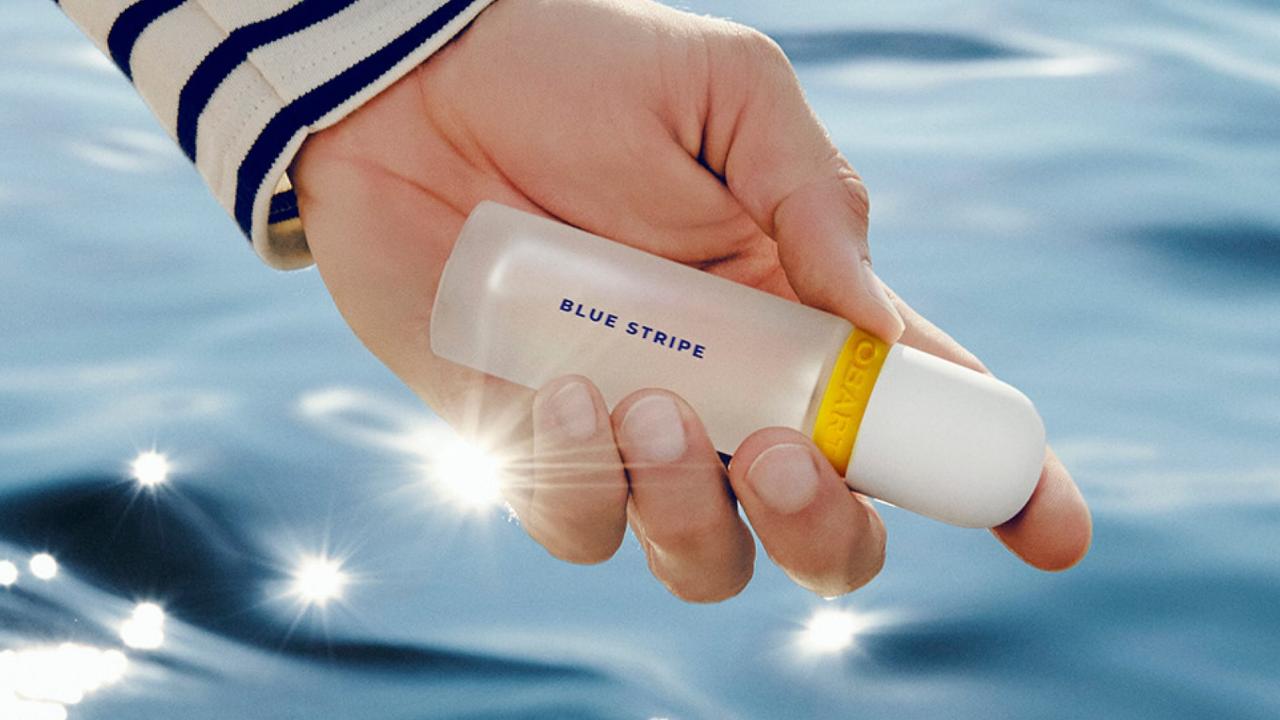
Marc-Alexandre Risch, co-founder of fragrance brand Obart, developed formulations in South Korea and launched the brand's fragrance primer line at Sephora U.K., EU, and Switzerland in August 2026, with U.S. doors following in September. The deliberate sourcing decision reflects a broader strategic logic: Korean manufacturing has achieved a quality perception that functions as a prestige signal independent of brand heritage or price tier. This is premiumization through provenance rather than through heritage storytelling.
Rael, the Korean-American intimate care brand founded by CEO Yanghee Paik in 2017, is executing the same repositioning. Originally differentiated on clean and organic credentials in the tampon aisle, the brand is now foregrounding its Korean manufacturing across its expanded personal care and skin care portfolio. The origin story has become the growth asset. That pivot speaks directly to how brand managers and retail buyers should evaluate the Korean manufacturing credential: it carries conversion weight at both the masstige and prestige tiers, across categories that have no historical association with Korean beauty.
The current K-beauty surge differs structurally from the first wave of the 2010s, which concentrated Korean innovation inside a narrow set of skin care formats and failed to generate durable brand equity at U.
Category Expansion Creates Acquisition Targets
The proliferation of Korean-made or Korean-formulated brands into sexual wellness (Mila, which closed a $2.5 million seed round in June 2026), intimate care, fragrance, and supplements is generating a new cohort of early-stage companies with differentiated supply chain relationships and strong digital sell-through. For strategic acquirers, particularly portfolio operators with existing prestige positioning in skin care or personal care, these brands represent low-cost entry into adjacent categories with proven demand signals. The M&A calculus is straightforward: Korean-sourced formulation capability is expensive to replicate and increasingly valuable as the "made in Korea" label compounds its consumer authority.
Rare Beauty Brands, the Kate Somerville and Patchology parent, is already operating an accelerator structure designed to surface exactly this type of early-stage brand. The program's structure, offering retail access to JCPenney alongside grant funding, suggests a portfolio reset mentality oriented toward category diversification rather than prestige consolidation.
The Forward Position
By 2027, the K-beauty distribution architecture in the U.S. will look materially different from its current state. Olive Young's Los Angeles opening is almost certainly a pilot for a multi-market rollout. Sephora and Ulta will deepen Korean brand commitments to compete with that dedicated retail presence. And the brands that have embedded Korean manufacturing into their origin narrative, across categories as disparate as fragrance primers and tampons, will carry compounding brand equity as the "made in Korea" quality signal continues to broaden. The strategic question for brand managers and investors is no longer whether K-beauty has category reach. The question is which distribution channel captures the margin.
This article references and builds on original reporting by Emily Jensen for Glossy. Read the original piece here: https://www.glossy.co/beauty/beauty-briefing-from-tampons-to-fragrance-k-beauty-is-everywhere. BeautyScale is a commercial agency; our editorial notes are commentary on industry reporting.
Rami Al Ariss
Beauty market analyst covering trends, brands, and distribution shifts.