Junoco's $6.3M Bet: How a DTC Minimalist Brand Is Rewriting the Ulta Distribution Playbook

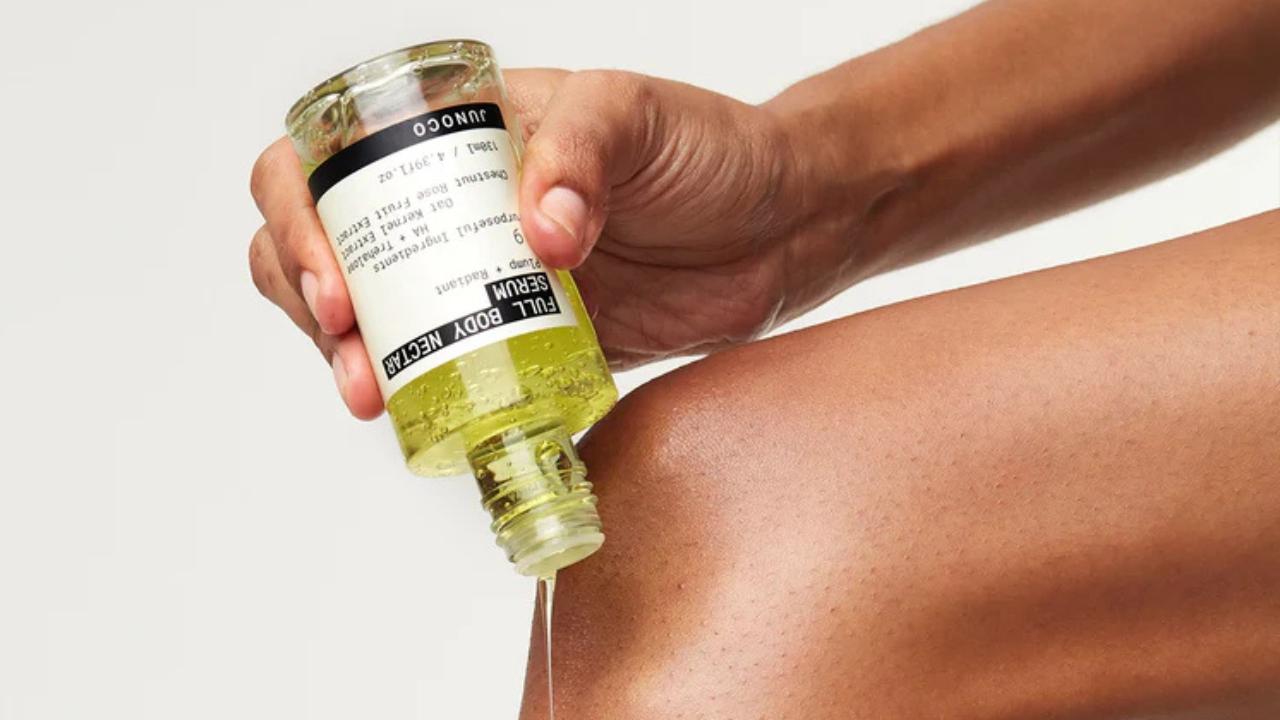
The U.S. body care market is tracking toward $22 billion by 2027, posting a compound annual growth rate that outpaces facial skincare across nearly every major retail tier. Against that backdrop, Burlingame-based Junoco is not easing into brick-and-mortar. The brand is entering 850 Ulta Beauty doors simultaneously with a 14-product assortment, a distribution architecture that signals strategic conviction rather than cautious retail testing. With body care sales up 115% year-over-year and $6.3 million raised across seed and Series A rounds, Junoco's move reframes the conventional DTC-to-wholesale migration as a portfolio reset built around category leadership, not incremental channel expansion.
Body Care Is the Category Forcing Brand Repositioning
Body care's ascent has created a structural opening that legacy prestige brands have been slow to fully occupy. Consumers who normalized multi-step facial routines during the pandemic are now extending that behavior below the neck, and the price sensitivity in body care is softening as a result. Junoco is entering at a $12 to $26 price band that sits precisely in the masstige zone, accessible enough to drive trial volume at Ulta, premium enough to sustain margin discipline. That positioning is deliberate: Co-founder and CEO Kyle Jiang built the brand's DTC economics around repeat purchase, with roughly 40% of existing customers enrolled in the brand's refill pod system.
Distribution Architecture as Competitive Signal
The decision to debut with 14 SKUs rather than a curated two-or-three-product test reflects a specific retail thesis. A narrow entry communicates category adjacency. A broad entry, particularly one spanning both in-store and Ulta.com exclusives, communicates category ownership. Junoco is asserting the latter. The assortment is organized around a post-shower ritual occasion, which gives buyers and planners a clear fixture narrative and reduces the brand's dependence on passive shelf discovery. Ulta's willingness to carry six additional online-exclusive SKUs, including the Pear Glimmer Puff and Aura Rosé Mist, extends Junoco's digital-to-physical flywheel rather than severing it. This is not a wholesale pivot; it is a channel integration strategy.
Jiang's family background in beauty packaging manufacturing is not incidental here. Junoco uses AI-assisted prototyping to compress new mold development from weeks to hours, a capability that will matter significantly as the brand scales its wholesale replenishment cadence. Retailers penalize stockouts more heavily than most founders anticipate in year one, and Junoco's upstream manufacturing fluency is a structural advantage competitors built purely on brand and marketing cannot easily replicate.
The Refill Question and Premiumization Limits
Junoco's refill architecture, which allows consumers to purchase reusable outer packaging once and replenish with pods priced between $8 and $18.99, is the brand's most strategically interesting and commercially uncertain element. The 40% DTC adoption rate is genuinely strong relative to category benchmarks, but Jiang himself calibrates the ceiling at 70% to 80% for meaningful scale. The translation of that behavior into physical retail is an unresolved problem across the industry. L'Oréal, Unilever, and Kjaer Weis have each invested in refill systems with limited mass conversion. In-store shoppers default to ready-to-use formats, and body care's larger bottle volumes reduce the logistical advantages that make facial skincare refills economically compelling. Junoco should treat its Ulta refill pod offering as a brand equity signal rather than a near-term volume driver.
What This Launch Means for M&A Positioning
A profitable DTC brand with triple-digit body care growth, a demonstrated retail execution capability at scale, and a proprietary manufacturing relationship entering an exclusive partnership with the largest U.S. specialty beauty retailer is producing a specific kind of strategic asset. Acquirers at the Unilever Prestige, Shiseido Americas, or L'Oreal's portfolio level are not simply buying revenue when they evaluate brands like Junoco. They are buying distribution architecture, customer data infrastructure, and category credibility in a segment with durable CAGR tailwinds.
Junoco's exclusive Ulta partnership insulates the brand from channel conflict through the critical 12 to 18 months of wholesale maturation, buying Jiang the sell-through data needed to credibly model brick-and-mortar unit economics in any future M&A conversation.
The forward trajectory points toward a brand that closes the gap between masstige body care and prestige positioning by deepening its sensory and ritual narrative rather than competing on ingredient density. As the body care category continues pulling premiumization investment away from facial skincare incumbents, brands that own both the distribution relationship and the repeat-purchase mechanics will command the strongest strategic valuations entering 2027.
This article references and builds on original reporting by Polly Blitzer for Beauty Independent. Read the original piece here: https://www.beautyindependent.com/fast-growing-dtc-brand-junoco-14-product-retail-debut-ulta-beauty/. BeautyScale is a commercial agency; our editorial notes are commentary on industry reporting.
Rami Al Ariss
Beauty market analyst covering trends, brands, and distribution shifts.