Belle Brands Acquires Versed: A $20M Revenue Reset Tests the Limits of Mass Beauty Consolidation
Mass-market clean beauty is trading at a discount in 2026, and Windsong Global-backed Belle Brands is treating that dislocation as a buying signal. The acquisition of Versed, a brand generating an estimated $20 million in topline revenue last year against a backdrop of category softness and distribution complexity, marks the clearest articulation yet of Belle Brands' portfolio thesis: acquire depressed assets with structural channel presence, stabilize operations through shared backend infrastructure, and protect brand equity by leaving consumer-facing identity largely intact. The deal adds Versed to a roster that includes JVN Hair, Pipette, and KVD Beauty, pushing Belle Brands toward critical portfolio mass at a moment when the multi-brand holding company model is under sustained scrutiny.
Distribution Architecture Is the Real Acquisition Asset
Versed's revenue decline obscures what is arguably the more durable value in this transaction: its physical footprint. The brand currently occupies 1,834 Target doors for makeup and 1,174 for skincare, with additional placement across Ulta Beauty (330-plus stores), Revolve, and Amazon. For any acquirer operating at Belle Brands' scale, replicating that distribution architecture from inception would require years of retailer relationship capital and promotional investment that far exceeds the brand's current revenue profile. Belle Brands Global President Teresa Lo has been explicit that the company evaluates acquisitions against three criteria: product standouts, community strength, and cultural fit. What that framework implies, without stating it directly, is that shelf presence at mass and masstige retail constitutes the underlying collateral backing the deal. Versed's Ulta placement, secured in 2025, is particularly significant given Ulta's tightening vendor standards and its ongoing recalibration between prestige and mass assortment.
A Portfolio Reset Built on Backend, Not Brand
The consolidation model Lo is executing draws a deliberate line between shared services and shared identity. Operations, logistics, third-party logistics contracts, and contract manufacturer agreements are centralized. Marketing, product development, and brand voice are not. This bifurcation reflects hard-won institutional knowledge: Lo held leadership positions at JVN Hair and Biossance during the Amyris era, a period that illustrated precisely how aggressive premiumization and brand incubation can collapse when operational infrastructure fails to scale with portfolio growth. Amyris filed for bankruptcy after failing to achieve profitability across a rapidly assembled brand portfolio. Belle Brands' architecture inverts that model, prioritizing margin recovery through procurement efficiency before pursuing topline growth initiatives.
Makeup Category Headwinds Complicate the Upside Case
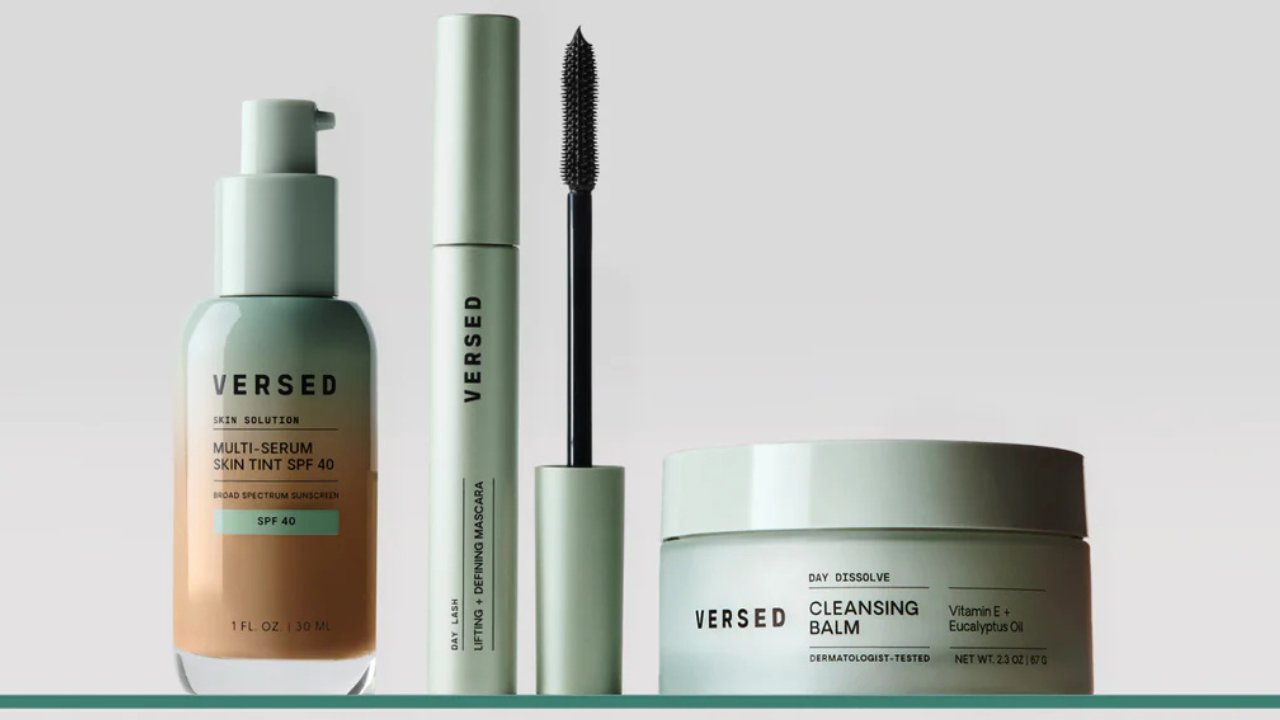
Versed's February 2025 expansion into complexion, anchored by the Skin Solution Multi-Serum Skin Tint SPF 40 and Serum Concealer, positioned the brand at the intersection of skincare and makeup at a structurally challenging moment. Circana data from Q2 2026 shows makeup as the slowest-growing beauty category, with prestige makeup posting only a 2% gain versus mass makeup's 5% increase. That differential is meaningful context for Belle Brands: Versed's sub-$20 price architecture places it squarely in the outperforming segment, but the absolute growth rate remains muted relative to fragrance and skincare. Several prominent makeup assets remain without buyers in the current M&A environment, a signal that acquirer conviction in the category has narrowed considerably. Belle Brands is betting that Versed's hero SKUs, particularly the Day Dissolve Cleansing Balm and Good Defense Daily Sunscreen SPF 50, provide sufficient category diversification to insulate the portfolio from prolonged makeup softness.
The Windsong Playbook Points Toward Accelerating Deal Flow
William Sweedler's track record is instructive. His prior assembly of HRB Brands, a mass personal care portfolio including Alberto VO5, Zest, and Brut, and its subsequent sale to Sodalis Group in 2024, demonstrates a disciplined build-and-harvest model that Belle Brands appears to be replicating at a faster pace within beauty specifically. Sweedler has previously identified approximately $25 million in annual sales as the target acquisition profile, a threshold Versed sits below, suggesting Belle Brands is willing to tolerate near-term revenue compression in exchange for channel access and brand rehabilitation potential. Lo has confirmed additional acquisitions are in process.
The broader implication for the industry is this: as legacy conglomerates pursue prestige positioning and portfolio rationalization, a secondary market is forming around brands that are too established to be startups and too under-resourced to compete independently. Belle Brands is systematically acquiring that middle tier. If the backend efficiency thesis holds at scale, the company could represent a structurally distinct model within beauty M&A, one that wins not through prestige repositioning, but through operational discipline applied to brands consumers already trust.
This article references and builds on original reporting by Claire McCormack for Beauty Independent. Read the original piece here: https://www.beautyindependent.com/belle-brands-acquires-versed-expand-beauty-platform/. BeautyScale is a commercial agency; our editorial notes are commentary on industry reporting.