JiYu Raises $6.5M: Korean Skincare's New Wave Targets Premium Distribution

JiYu's funding arrives as Korean beauty confronts category saturation at mass price points—sheet masks and cushion compacts proliferated to commoditization between 2018 and 2022, compressing margins for heritage brands. Founder and CEO Min-Ji Park, formerly Vice President of Product Development at Amorepacific, structured JiYu's portfolio around clinical-grade ingredients and dermatologist partnerships, positioning the brand at $48-$120 per SKU versus the $15-$35 range that defines traditional K-beauty exports. The brand's hero product, a peptide-rich barrier serum retailing at $98, secured distribution in 47 Sephora doors across the U.S. within eight months of its 2023 launch.
Sephora Ventures Managing Director Deborah Yeh confirmed the investment represents the fund's second Korean beauty commitment in 2024, following a $4.2 million stake in clean beauty brand Axis-Y. "JiYu demonstrates portfolio discipline and prestige credibility that aligns with our merchant strategies for elevated Korean innovation," Yeh stated in the funding announcement.
JiYu's ability to close at a $32 million post-money valuation suggests specialty retail traction and defensible positioning override broader venture capital headwinds for brands demonstrating unit economics and distribution momentum.
Distribution Architecture Designed for Prestige Channels
The capital deployment prioritizes U.S. specialty retail expansion and European market entry, with JiYu targeting 200 doors across Sephora, Credo Beauty, and Space NK by Q2 2025. Park confirmed the brand will bypass wholesale partnerships with Ulta Beauty and traditional drugstore channels, preserving prestige positioning through selective distribution—a departure from the omnichannel approach that diluted brand equity for competitors like Dr. Jart+ and Laneige during their North American scaling phases.
JiYu allocated $2.8 million of the raise toward inventory financing and supply chain infrastructure to support specialty retail velocity requirements. The brand operates a vertically integrated manufacturing facility in Jeju, allowing 45-day production cycles and tighter margin control than brands reliant on third-party Korean contract manufacturers, where lead times stretched to 90-120 days amid post-pandemic capacity constraints.
Investor Thesis: Premium Korean Formulation Meets Western Retail Sophistication
Ascend Ventures Partner Rachel Kim framed the investment as a bet on Korean beauty's premiumization trajectory rather than category expansion. "The $42 billion global K-beauty market is maturing—growth now comes from trading consumers up, not acquiring new users," Kim stated. JiYu's average order value of $156 across DTC channels exceeds the $87 category benchmark for Korean skincare brands, suggesting receptivity to elevated price positioning among core consumers.
JiYu's average order value of $156 across DTC channels exceeds the $87 category benchmark for Korean skincare brands, suggesting receptivity to elevated price positioning among core consumers.
The round's structure included a $1.2 million strategic commitment from Sephora Ventures, providing JiYu access to merchant relationships and retail performance data that independent brands typically lack during scaling phases. Sephora's involvement mirrors its 2019 investment in Tatcha prior to Unilever's $500 million acquisition, establishing a precedent for prestige Korean brands as acquisition targets for multinational beauty conglomerates executing portfolio premiumization.
Implications for Korean Beauty's Competitive Landscape
JiYu's funding validates a strategic pivot among emerging Korean brands toward prestige positioning and controlled distribution—a necessary evolution as mass-market K-beauty faces margin pressure from Chinese and Southeast Asian competitors replicating formulations at lower price points. Brands that establish prestige retail footholds and maintain distribution discipline position themselves as acquisition candidates for conglomerates like Estée Lauder Companies and L'Oréal, both of which have signaled interest in Korean innovation through minority stakes and licensing agreements.
The Series A also reflects continued investor appetite for beauty despite 2024's challenging fundraising environment—beauty and personal care startups raised $892 million across 47 deals in Q1 2024, down 34% from the prior year. JiYu's ability to close at a $32 million post-money valuation suggests specialty retail traction and defensible positioning override broader venture capital headwinds for brands demonstrating unit economics and distribution momentum.
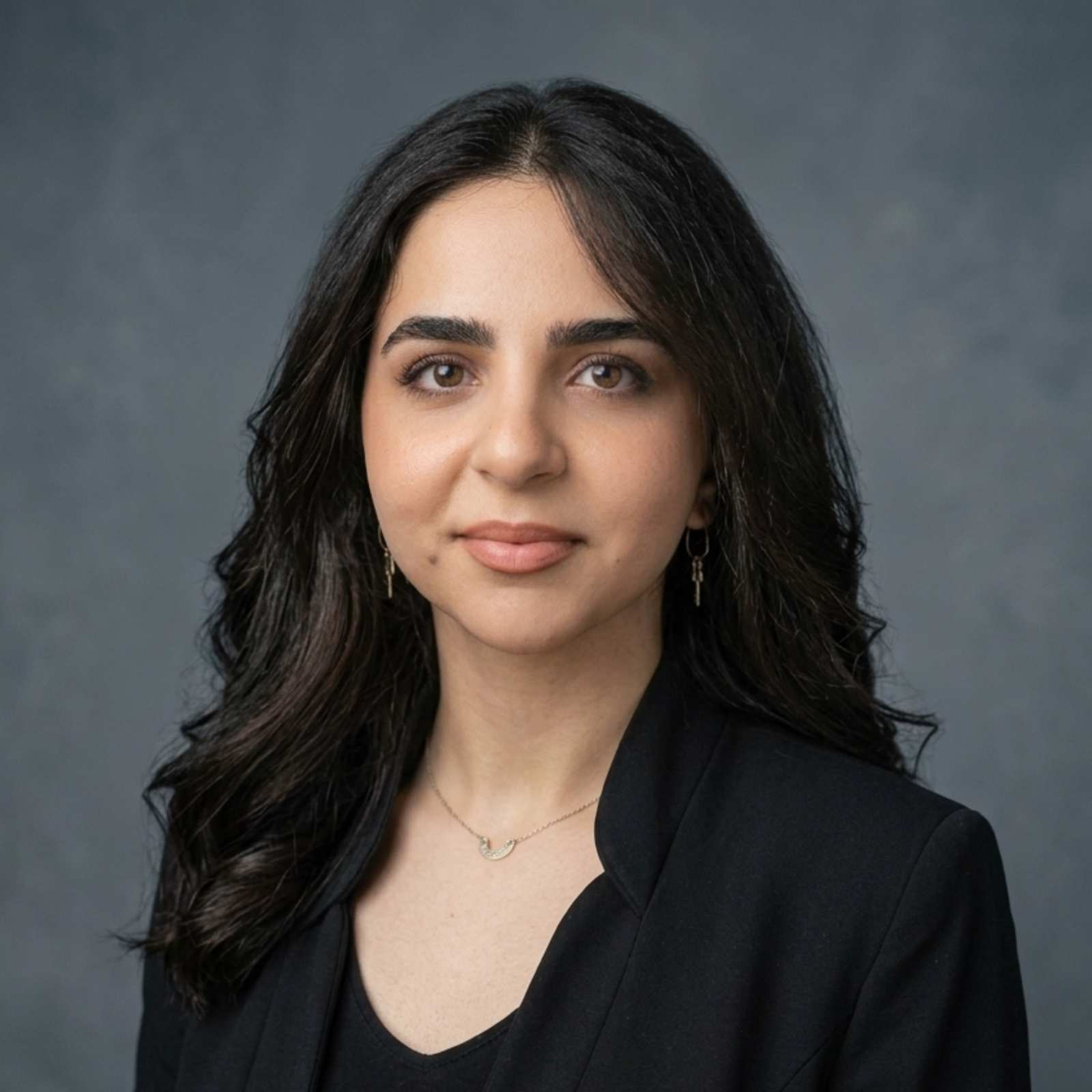
Rayane Mahmoud
Beauty market analyst covering trends, brands, and distribution shifts.