IRL Pop-Ups: How Experiential Retail Became a $2.3B Distribution Play
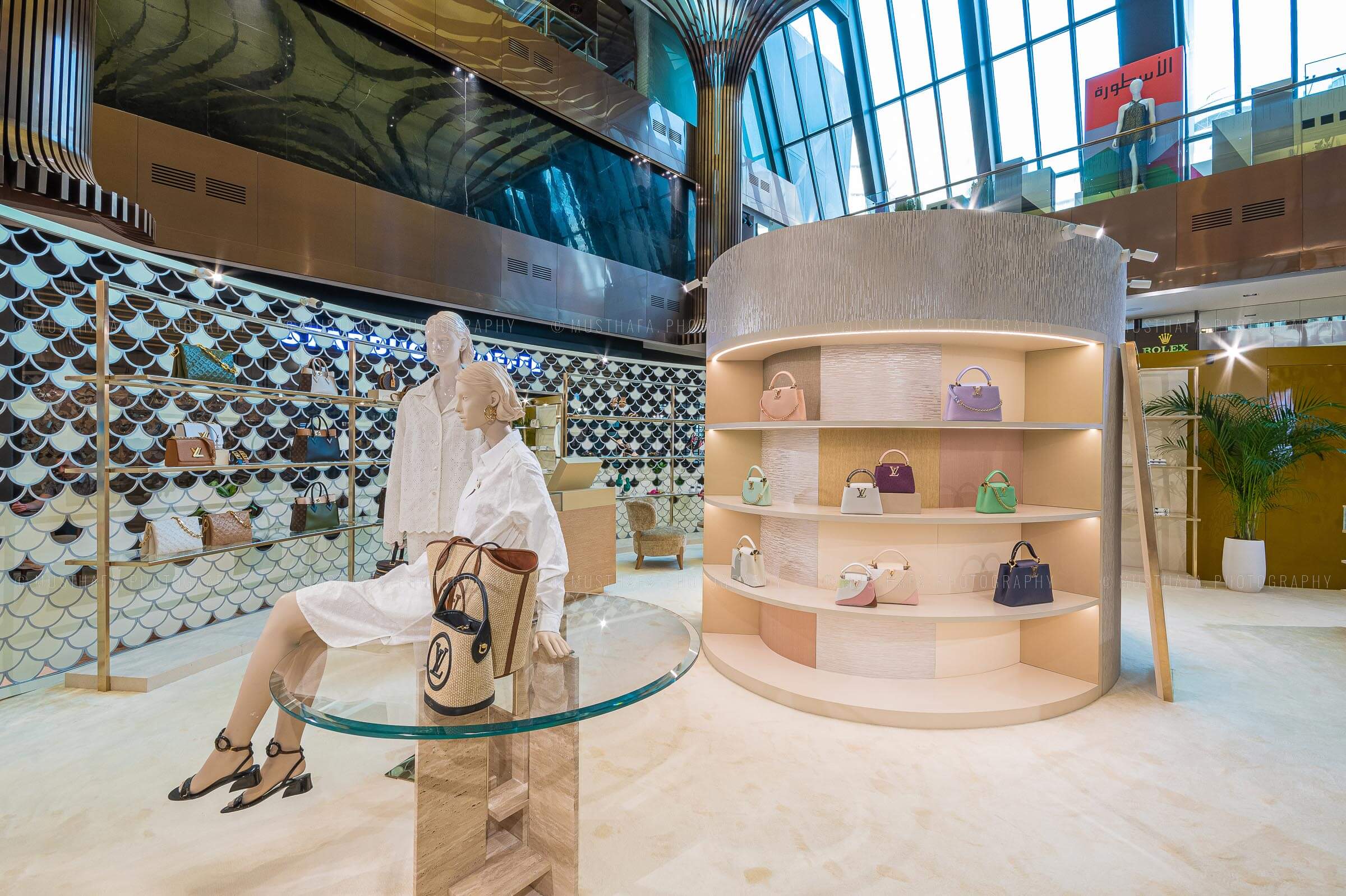
Pop-up retail operations deliver average conversion rates of 18-22% — substantially higher than the 2-4% typical of e-commerce and the 8-12% benchmarks for department store beauty counters — because they compress discovery, trial, and purchase into a single high-intent environment. Rhode's 2024 multi-market tour generated $4.2 million across eight cities in six weeks, with an average basket size of $127, demonstrating that limited-time scarcity mechanics drive premiumization even within accessible price architectures. These installations cost $40,000-$180,000 per activation depending on market and duration, delivering customer acquisition costs between $22-$35 compared to $45-$65 for paid social, making them a viable performance marketing channel rather than純粋 brand-building expense.
The temporary format allows brands to test hero SKU performance, validate regional color cosmetics preferences, and identify which product categories warrant full assortment versus curated edit before committing to wholesale terms.
Portfolio Testing and Retail Negotiation Leverage
Brands increasingly use pop-up performance data as negotiation leverage with national retailers — Topicals' 2023 pop-up circuit across six Nordstrom markets generated sufficient transaction velocity to secure permanent placement in 47 doors by Q2 2024. The temporary format allows brands to test hero SKU performance, validate regional color cosmetics preferences, and identify which product categories warrant full assortment versus curated edit before committing to wholesale terms. Sephora, Ulta Beauty, and Space NK now actively monitor pop-up performance metrics as part of their merchant evaluation processes, effectively transforming these activations into live auditions for distribution partnerships that previously required 18-24 month relationship-building cycles.
This approach proves particularly valuable in GCC markets, where luxury mall economics require substantial fit-out investments and long-term lease commitments that conflict with early-stage brand capital allocation priorities.
Geographic Expansion Without Infrastructure Risk
Emerging brands use pop-ups to establish beachheads in international markets without the regulatory complexity, supply chain infrastructure, or working capital demands of traditional market entry — Glow Recipe's 2024 Seoul and Tokyo pop-ups allowed the brand to validate APAC demand and test localized SKU bundles before committing to distributor agreements or direct subsidiary establishment. This approach proves particularly valuable in GCC markets, where luxury mall economics require substantial fit-out investments and long-term lease commitments that conflict with early-stage brand capital allocation priorities. Summer Fridays deployed a Dubai pop-up in Q4 2023 that generated 14,000 customer contacts and $680,000 in revenue across three weeks, providing the transaction density data required to justify a regional distribution partnership finalized in Q1 2024.
The Institutionalization of Temporary Retail
The pop-up model has matured from one-off activations to repeatable systems — companies like Appear Here, Storefront, and Bulletin now provide turnkey infrastructure for multi-market circuits, while specialized agencies manage end-to-end execution from permitting to staffing to POS integration. Brands are building dedicated experiential retail teams and allocating 12-18% of total marketing budgets to physical activations, treating them as permanent line items rather than experimental spend. As traditional retail undergoes continued consolidation and department stores reduce beauty square footage by 8-12% annually, pop-ups represent a strategic hedge against distribution concentration risk while simultaneously generating the performance data that makes brands more attractive wholesale partners when negotiating from a position of demonstrated demand rather than projected potential.
Paul Chauveau
Beauty market analyst covering trends, brands, and distribution shifts.