Inside Skins Cosmetics' 26-Year Retail Strategy: How One Multi-Brand Player Built Distribution Dominance

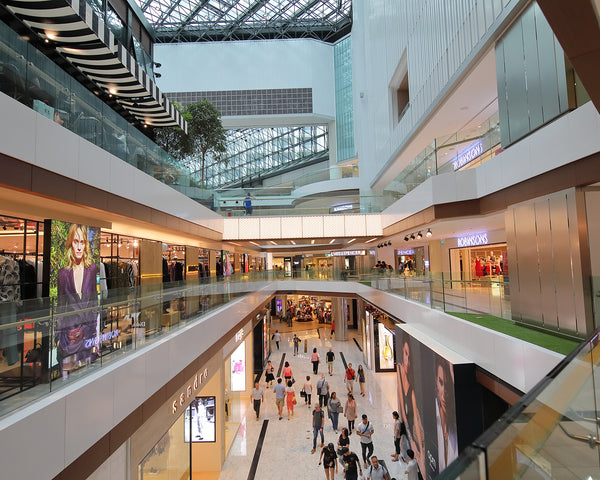
The company's sustained expansion trajectory — from 12 locations in 2010 to its current 62-door footprint — underscores a deliberate strategy of distribution architecture designed for MENA's unique consumption patterns. Unlike the brand consolidation seen in Sephora's or Ulta's North American operations, Skins maintains a curated but rotating portfolio of approximately 180 brands spanning color cosmetics, skincare, and fragrance categories. This portfolio fluidity allows the retailer to respond to localized demand shifts while avoiding the capital intensity of exclusive brand partnerships that characterize competitor strategies.
Strategic Consolidation Through Selective Brand Partnerships
Skins' differentiation lies in its hybrid positioning between prestige and masstige price architectures — a deliberate play for the aspirational consumer segment that drives 68% of regional beauty spending. The retailer stocks established international names including MAC, Bobbi Brown, and La Prairie alongside emerging indie brands and K-beauty imports, creating a tiered merchandising strategy that captures multiple consumer cohorts within a single retail environment. This approach mirrors the premiumization trend reshaping Asian markets, where consumers trade up selectively rather than committing to single-brand loyalty.
This portfolio rationalization strategy has enabled the company to weather Saudi Arabia's VAT implementation, pandemic-driven mall closures, and currency fluctuations that compressed regional consumer spending between 2016 and 2020.
The company's long-term store lease commitments in tier-one malls across UAE, Saudi Arabia, Kuwait, and Oman represent a calculated bet on physical retail's enduring relevance in markets where e-commerce penetration remains below 12% for beauty categories. Each location averages 1,200 square feet — a format optimized for browsing velocity rather than destination shopping, reflecting localized consumer behavior patterns that favor discovery over pre-planned purchases.
Portfolio Rationalization as Competitive Moat
Skins' ability to maintain operational continuity through regional economic volatility demonstrates the defensive characteristics of its multi-brand model. While single-brand retailers face existential risk when hero products decline or brand equity erodes, Skins' diversified inventory structure distributes revenue exposure across multiple suppliers and product categories. This portfolio rationalization strategy has enabled the company to weather Saudi Arabia's VAT implementation, pandemic-driven mall closures, and currency fluctuations that compressed regional consumer spending between 2016 and 2020.
As international brands accelerate regional expansion to offset slowing Western growth, Skins' distribution architecture and localized merchandising expertise position it as essential infrastructure for market entry strategies.
The retailer's purchasing power — aggregated across six decades of doors — positions it as a critical distribution partner for brands seeking efficient GCC market entry without the capital requirements of owned retail. For emerging brands, Skins functions as a testing ground for regional viability before committing to standalone boutiques or department store concessions, effectively serving as distribution infrastructure for international players navigating complex regulatory and cultural landscapes.
The Physical Retail Imperative in MENA Markets
Skins' continued store rollout strategy contradicts the conventional wisdom driving store closures across US and European markets, where digital channels now account for 28% of beauty transactions. In the GCC, where summer temperatures exceed 45°C and mall culture remains central to social consumption, physical beauty retail serves functional and experiential roles that e-commerce cannot replicate. The company's locations benefit from sustained foot traffic patterns that generate discovery-driven purchases — a conversion dynamic that digital channels struggle to monetize at comparable acquisition costs.
The retailer's 26-year operational history provides longitudinal insight into MENA beauty consumption patterns that remain underanalyzed relative to North American and Asian markets. As international brands accelerate regional expansion to offset slowing Western growth, Skins' distribution architecture and localized merchandising expertise position it as essential infrastructure for market entry strategies. The company's sustained profitability — rare among multi-brand beauty retailers globally — validates a retail thesis built on geographic specificity rather than global template replication.
Rayane Mahmoud
Beauty market analyst covering trends, brands, and distribution shifts.