Hourglass Cosmetics Taps Olivia Dean: Creator Partnerships Enter the Prestige Equity Model
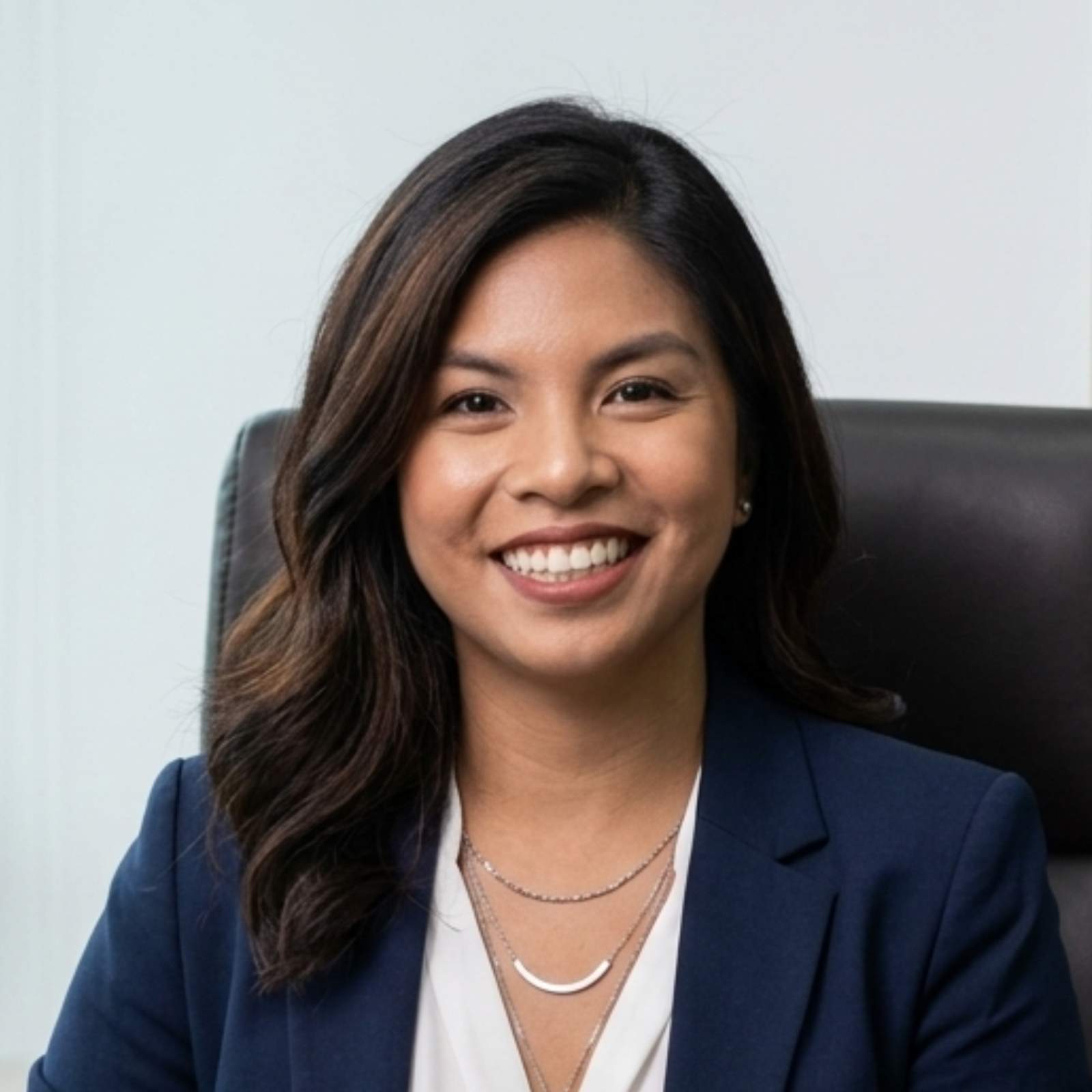
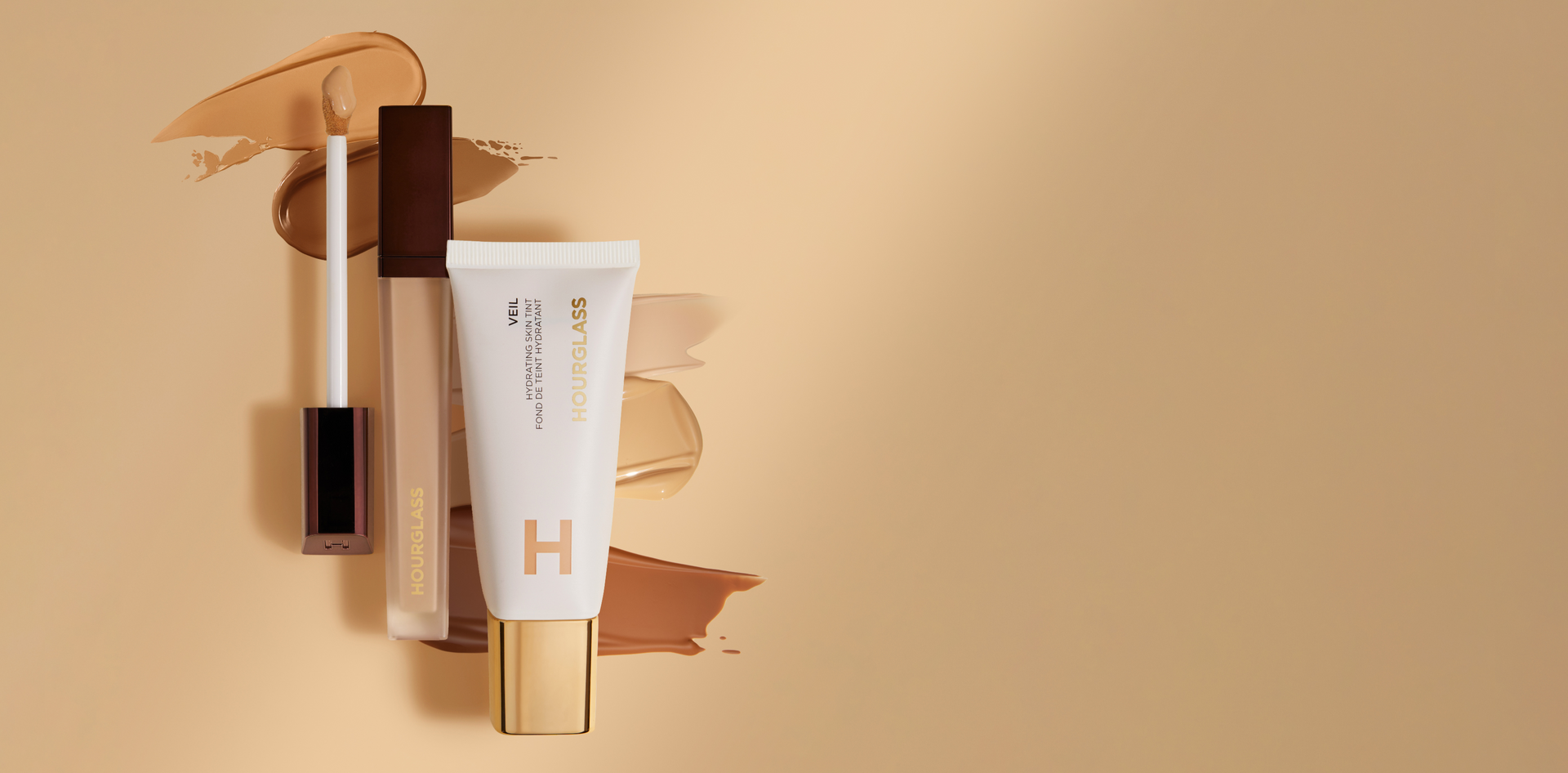
Dean, whose debut album Messy reached No. 2 on the UK Albums Chart in 2023, joins a creator roster that increasingly mirrors equity partner positioning without formal ownership stakes — a structure designed to capture Gen Z and millennial consumers who demand alignment over aspiration.
The Strategic Consolidation of Cultural Capital
Hourglass' selection of Dean reflects a calculated departure from traditional celebrity endorsement economics. Rather than campaign-based activations, the Global Brand Partner designation embeds Dean within product development cycles, content strategy, and brand storytelling frameworks for multi-year integration. This structure mirrors moves by competitors including Rare Beauty, Rhode, and Jones Road Beauty, which have collapsed the distinction between founder equity and cultural equity as performance marketing costs escalate across Meta and TikTok platforms.
Industry analysts project that prestige brands with formalized creator partnerships achieve 23-31% higher organic social engagement compared to paid media equivalents, translating to customer acquisition costs 40% below category average.
The UK market — where Hourglass generates an estimated 12% of global revenue through Space NK, Harrods, and Selfridges distribution — represents a critical testing ground for creator-led positioning as Brexit-era import tariffs compress margin by 8-11% for prestige imports. Dean's domestic profile offers localized brand architecture without the dilution risk of mass influencer partnerships that have eroded prestige positioning for brands including Charlotte Tilbury and Fenty Beauty in European markets.
Portfolio Rationalization Through Ambassador Architecture
Unilever Prestige's broader portfolio reset — which includes Dermalogica, REN Clean Skincare, and Tatcha alongside Hourglass — has prioritized vertical integration of brand narrative over horizontal expansion of SKU count. The Dean partnership supports Hourglass CEO Carisa Janes' strategy to maintain founder-led brand equity even as Janes herself stepped back from day-to-day creative direction in late 2022. By installing cultural proxies with defined aesthetic profiles, Unilever mitigates the founder-exit risk that has destabilized brands including Drunk Elephant and Glossier post-acquisition.
This shift carries implications for M&A valuations across prestige beauty: brands with embedded creator partnerships command premium multiples as acquirers seek proven frameworks for audience retention in a post-cookie digital ecosystem.
Industry analysts project that prestige brands with formalized creator partnerships achieve 23-31% higher organic social engagement compared to paid media equivalents, translating to customer acquisition costs 40% below category average. For Hourglass — whose cruelty-free positioning and refillable component strategy appeal to values-aligned consumers — Dean's public advocacy for sustainability and mental health creates narrative cohesion that transactional influencer relationships cannot replicate.
The Prestige Creator Economy Matures
The Global Brand Partner model represents the maturation of beauty's creator economy from performance marketing channel to strategic distribution architecture. As TikTok Shop and Amazon Luxury Beauty fragment traditional prestige retail, brands are consolidating cultural authority through long-term partnerships that function as owned media rather than rented reach. Dean's appointment positions Hourglass to compete not only for shelf space but for cultural relevance in an increasingly saturated prestige landscape where differentiation derives from narrative cohesion rather than product innovation alone.
This shift carries implications for M&A valuations across prestige beauty: brands with embedded creator partnerships command premium multiples as acquirers seek proven frameworks for audience retention in a post-cookie digital ecosystem. Expect further consolidation of creator equity models as independent prestige brands pursue strategic partnerships to defend against private label incursion and masstige premiumization that continues to compress the middle tier of beauty's pricing architecture.
Nya Ravel
Beauty market analyst covering trends, brands, and distribution shifts.