Herbalife Acquires Ronaldo-Backed bioniq: The $5.5B Nutrition Giant's Play for Premium Personalization
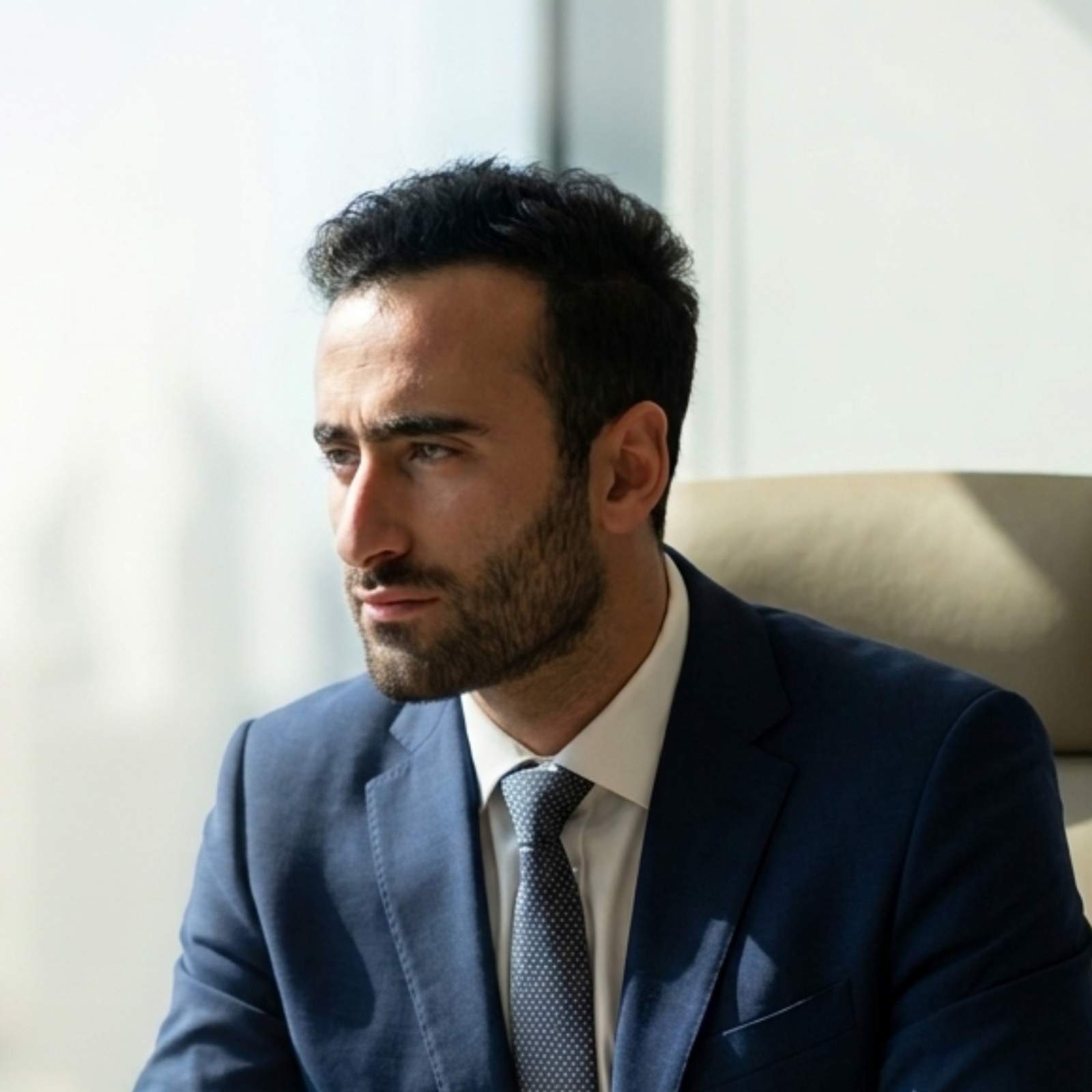

bioniq operates on a subscription-first model that begins with at-home blood testing and DNA analysis, delivering personalized vitamin formulations at price points ranging from $90 to $300 per month — a stark departure from Herbalife's distributor-dependent sales network and $60-80 average monthly customer spend. The Swiss brand's clinical validation framework, built around partnerships with longevity clinics and biohacking communities, positions it within the emerging $4.2B personalized supplement market that skews heavily toward affluent consumers aged 35-55. Herbalife's acquisition provides immediate access to bioniq's proprietary algorithm technology and fulfillment infrastructure across Europe and the GCC, regions where Herbalife has historically struggled to establish prestige credibility beyond its core weight management portfolio.
bioniq founder Vadim Fedotov, who will remain with the brand post-acquisition, has publicly credited partnerships with elite athletes including Ronaldo and Alpine F1 drivers Esteban Ocon and Pierre Gasly as critical to establishing scientific legitimacy among high-net-worth individuals — a demographic Herbalife has never successfully penetrated at scale. The brand's endorsement strategy deliberately avoids traditional influencer marketing in favor of performance-oriented partnerships with measurable biomarker outcomes, a positioning that resonates with the evidence-based wellness movement gaining traction among UHNW consumers globally.
Strategic Rationale: Portfolio Diversification Beyond MLM Dependency
Herbalife's $5.5B annual revenue remains heavily concentrated in its distributor network, which peaked at 4.5M members in 2019 but has faced consistent attrition due to regulatory challenges and shifting consumer preferences toward transparent D2C brands. The bioniq acquisition represents a calculated hedge against MLM model vulnerabilities, offering Herbalife a standalone brand with independent distribution that operates outside the direct-selling framework entirely. This strategic consolidation mirrors moves by competitors including Nu Skin, which acquired supplement brand LifeVantage in 2023, and Amway, which has invested heavily in D2C capabilities for its Nutrilite line to offset declining North American distributor growth.
The acquisition also addresses Herbalife's persistent brand perception challenges in premium retail environments — bioniq's clinical positioning and $1,200+ annual customer lifetime value provide entry into longevity clinics, concierge medical practices, and high-end wellness centers where Herbalife's legacy branding has been categorically excluded. Early indications suggest Herbalife will operate bioniq as a standalone entity with separate branding, preserving the Swiss company's premium equity while leveraging Herbalife's global supply chain infrastructure to reduce fulfillment costs projected at 22% of bioniq's current revenue base.
Implications for Beauty and Wellness M&A in 2025
The Herbalife-bioniq transaction reflects broader consolidation dynamics as legacy wellness conglomerates acquire technology-enabled personalization platforms to future-proof against D2C disruption and declining consumer trust in one-size-fits-all formulations. Investors should monitor whether Herbalife successfully integrates bioniq's clinical infrastructure without diluting brand equity — a challenge that derailed Estée Lauder's $1B acquisition of DECIEM when corporate intervention undermined founder-driven authenticity. For beauty and wellness operators, the acquisition underscores the premium valuations commanded by brands with proprietary diagnostic technology, subscription retention above 65%, and celebrity partnerships anchored in performance outcomes rather than paid endorsements — strategic assets that will define the next wave of M&A activity across the $150B global wellness economy.
Paul Chauveau
Beauty market analyst covering trends, brands, and distribution shifts.