Hanahana Beauty's Portfolio Reset: Why One Clean Brand Is Pulling Back From Retail

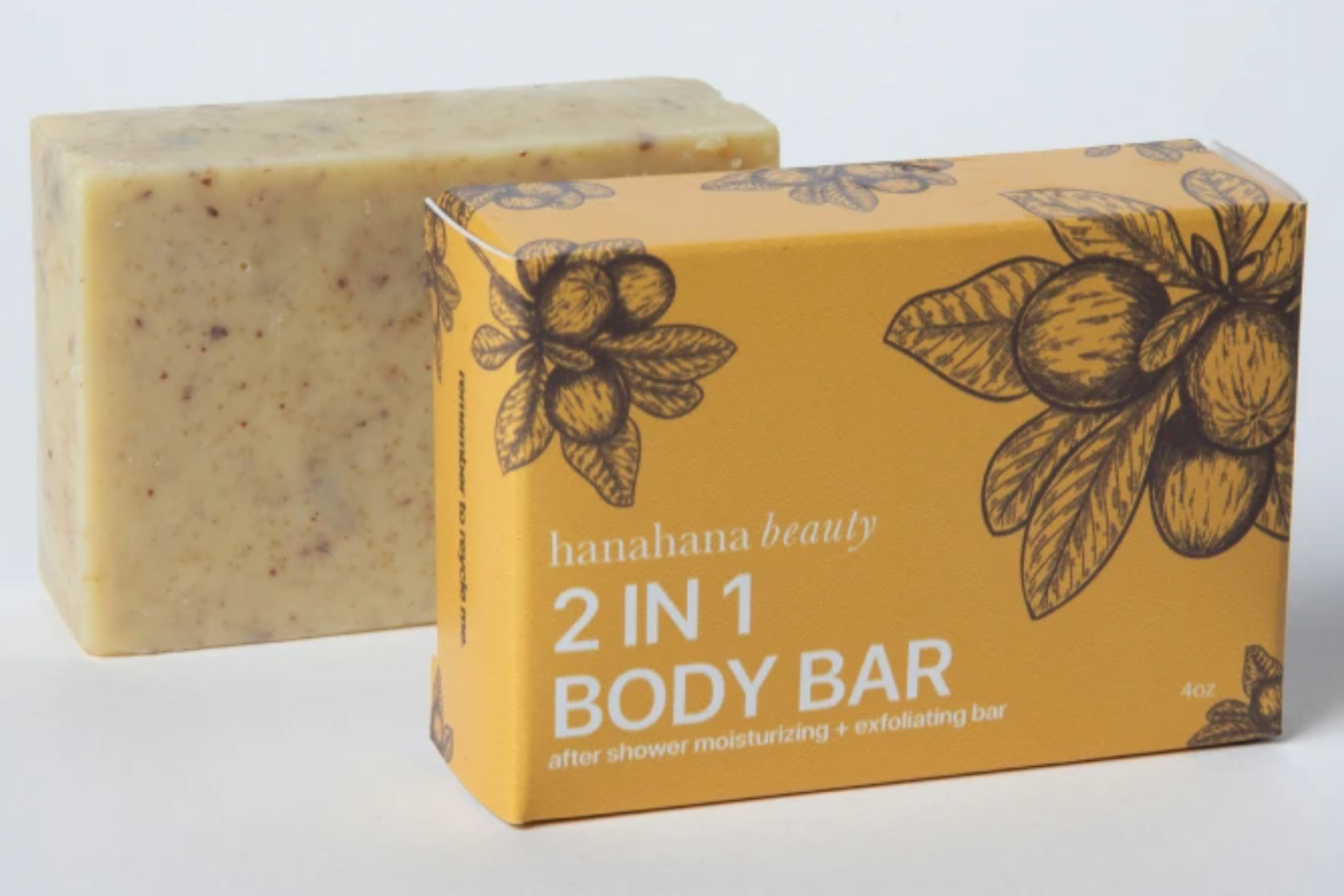
Boamah-Acheampong's decision to deprioritize retail stems from fundamental unit economics that no longer support wholesale expansion for emerging brands operating at sub-$10M revenue thresholds. Retail partnerships typically demand 50-60% wholesale discounts, while simultaneously requiring increased spending on brand awareness, in-store activations, and sell-through support—capital expenditures that disproportionately burden brands without the distribution leverage of established portfolio players. Hanahana Beauty's experience mirrors challenges articulated by founders across the indie beauty sector: retail promised scale but delivered margin compression and working capital constraints that threatened long-term viability.
The brand's pivot arrives as specialty beauty retail confronts its own distribution challenges, with Thirteen Lune closing physical locations and Credo Beauty limiting new brand onboarding amid mounting pressure to demonstrate profitability. For founder-led brands like Hanahana—which built its positioning around ethically sourced shea butter from women's cooperatives in Ghana—the economics of servicing retail partners increasingly conflict with maintaining supply chain integrity and fair-trade commitments that require premium input costs.
Hanahana Beauty's refocusing strategy centers on rebuilding owned distribution channels that capture full retail value while enabling direct customer relationships and first-party data collection.
DTC as Strategic Infrastructure
Hanahana Beauty's refocusing strategy centers on rebuilding owned distribution channels that capture full retail value while enabling direct customer relationships and first-party data collection. The brand's DTC infrastructure—including its e-commerce platform and limited wholesale partnerships with aligned retailers—now represents the core revenue engine, allowing Hanahana to operate with 70-80% gross margins compared to 30-40% achievable through traditional wholesale arrangements. This distribution architecture shift parallels moves by brands including Glossier and Drunk Elephant during earlier growth phases, prioritizing profitability over top-line revenue expansion.
Boamah-Acheampong emphasized that the retail pullback doesn't signal business distress but rather strategic discipline in capital allocation—choosing sustainable growth over unsustainable scale. For indie brands navigating the 2024 funding environment, where beauty venture investment dropped 34% year-over-year according to PitchBook data, demonstrating path-to-profitability through DTC economics increasingly determines access to growth capital and strategic acquisition interest.
Boamah-Acheampong emphasized that the retail pullback doesn't signal business distress but rather strategic discipline in capital allocation—choosing sustainable growth over unsustainable scale.
Implications for Indie Beauty Distribution
Hanahana Beauty's experience offers a microcosm of larger structural tensions in indie beauty distribution: retail partners want proven brands with existing customer bases, while brands need retail exposure to build those bases—a catch-22 that leaves emerging players trapped in expensive customer acquisition cycles across fragmented channels. The brand's strategic reset suggests that founder-led companies may increasingly bypass traditional retail validation entirely, building sufficient scale through DTC channels before selectively pursuing wholesale partnerships from positions of negotiating strength rather than growth desperation.
This distribution model inversion—where retail becomes a secondary channel rather than primary growth vehicle—challenges assumptions that have guided indie beauty strategy for the past decade. As retail consolidation continues and specialty beauty chains rationalize their brand portfolios, founders face a binary choice: accept unfavorable wholesale economics that subsidize retailer margins, or build patient capital structures that support longer DTC growth trajectories with superior unit economics and customer lifetime value potential.
The Patient Capital Imperative
Hanahana Beauty's portfolio rationalization underscores a fundamental truth emerging across indie beauty: sustainable businesses require distribution strategies aligned with capital structures and margin profiles, not vanity metrics around door count or retail presence. For the cohort of clean beauty brands launched between 2015-2020, the next 24 months will separate companies with defensible distribution architecture from those unable to escape the wholesale margin trap—a market-clearing event that will reshape the independent beauty landscape and redefine what successful scale-building looks like for founder-led brands operating outside traditional conglomerate structures.
Rayane Mahmoud
Beauty market analyst covering trends, brands, and distribution shifts.