From Clearing to Rebalancing: How Eucerin Is Driving the $5.35B Microbiome Trend in Acne Care

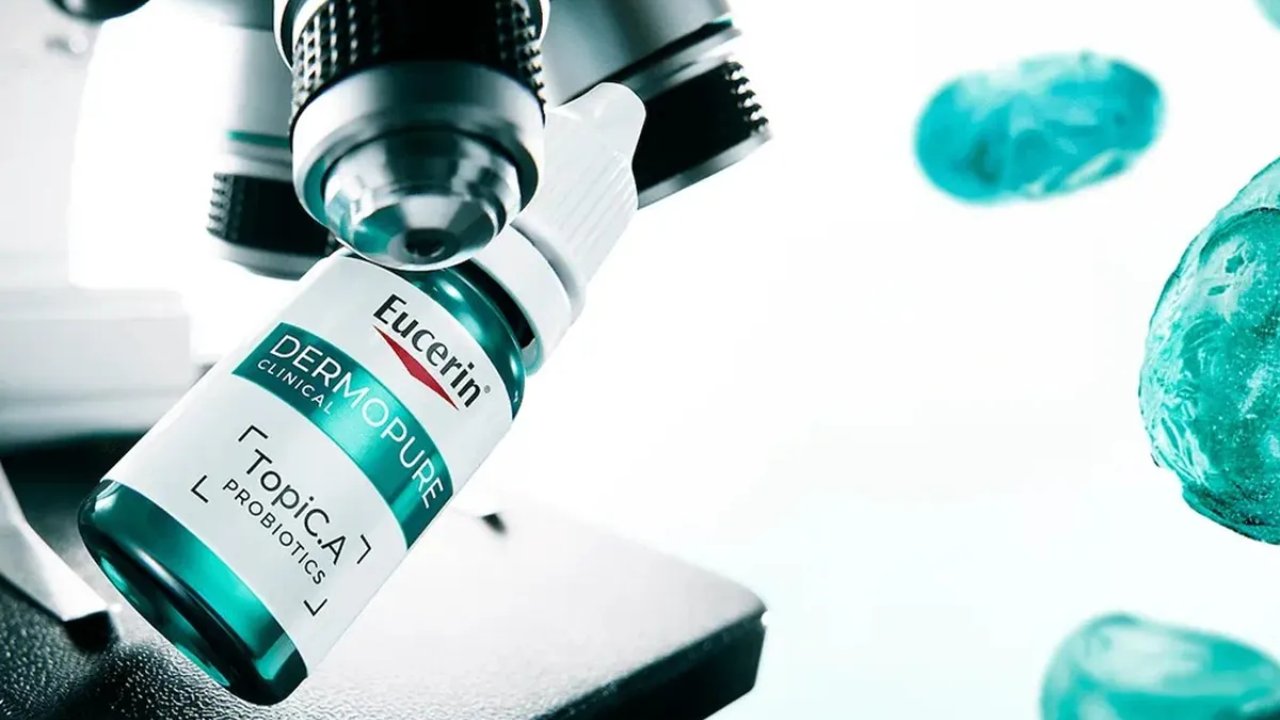
The global acne skin care market reached €4.6 billion ($5.35 billion) in 2025, expanding at roughly 9% over the prior five-year period, and the brands capturing disproportionate share are not the ones promising the fastest clearing. They are the ones rewriting the clinical conversation entirely. Beiersdorf AG is positioning Eucerin at the center of that rewrite, deploying a science-first differentiation strategy that moves the brand from reactive spot treatment into the more defensible, higher-margin territory of microbiome-modulating skin health. The shift is structural, not cosmetic, and it carries significant implications for how prestige-adjacent dermocosmetic brands compete across pharmacy, specialty retail, and digital-native channels through 2027.
The Microbiome Pivot Is a Portfolio Reset, Not a Line Extension
The market intelligence here is precise: acne consumers are no longer a monolith seeking elimination. A growing cohort, skewing toward Millennials and Gen Z with disposable income and dermatologist access, is demanding barrier-preserving, microbiome-aware formulations over aggressive benzoyl peroxide or salicylic acid regimens. Eucerin's Acne-Prone Skin franchise responds to that shift by centering Cutibacterium acnes rebalancing rather than eradication, a positioning distinction that places the brand in direct conversation with clinical dermatology rather than mass-market acne treatment.
This is a deliberate portfolio reset. Beiersdorf is not cannibalizing its existing Eucerin equity. It is extending the brand's scientific authority into a segment where prestige positioning and dermocosmetic credibility create durable price floors. The strategic logic mirrors moves seen across the sector: when a brand can anchor claims in peer-reviewed microbiome science, it justifies premiumization without the wholesale repositioning risk that typically accompanies a masstige-to-prestige migration.
Distribution Architecture Becomes the Competitive Lever
Science alone does not win market share. Eucerin's approach depends equally on a distribution architecture that reinforces clinical credibility at every touchpoint. Pharmacy and para-pharmacy remain the primary channel for dermocosmetic acne in MENA, APAC, and across the GCC, where dermatologist recommendation drives a significant portion of first purchase. Beiersdorf's existing pharmacy network in those geographies gives Eucerin a structural advantage that digitally native challenger brands cannot replicate quickly.
The secondary channel layer, specialty retail and prestige beauty formats including Sephora and regional equivalents, is where the microbiome narrative carries particular commercial weight. Consumers arriving through those channels are already primed for ingredient education and willing to sustain higher average unit retail. A product framed around restoring the skin's bacterial equilibrium rather than stripping it commands shelf position alongside therapeutic skincare, not alongside mass-market acne wash. That positioning decision compounds over time into measurable category authority.
Premiumization Requires Competitive Separation From Masstige
The acne segment presents a specific premiumization challenge that differs from broader skincare. Competing players in the masstige tier, including consolidated OTC platforms and dermatologist-brand spinouts, have moved quickly to adopt microbiome language without the formulation depth or clinical evidence to anchor it. Eucerin's defensible position depends on maintaining that evidence gap. Beiersdorf's R&D investment model, rooted in dermatological science across its Hamburg-based development infrastructure, supports a claims architecture that generic masstige competitors cannot easily replicate at their margin structure.
Retail buyers and pharmacy procurement teams are increasingly evaluating this distinction. A brand that can supply clinical studies, dermatologist endorsement data, and formulation patents alongside its sell-in deck occupies a categorically different conversation than one supplying packaging and trend alignment. For brand managers and category buyers operating in prestige or elevated pharmacy formats, that separation is the basis on which ranging decisions are now being made.
The Forward Position: Microbiome Acne as a Standalone Category
The strategic takeaway for brand managers, investors, and retail partners is that microbiome-positioned acne care is cohering into a standalone category with its own consumer acquisition funnel, pricing architecture, and clinical validation requirements. Eucerin's move to occupy that category's scientific anchor position ahead of broader market maturation follows a pattern consistent with successful prestige skincare consolidation, where early clinical authority compounds into long-term shelf and channel dominance.
Brands and investors tracking this segment should monitor two signals in particular. First, whether Beiersdorf accelerates distribution expansion in high-growth dermocosmetic markets across APAC and the GCC, where acne prevalence and premiumization appetite are both elevated. Second, whether independent microbiome-acne brands begin attracting M&A interest from larger personal care groups seeking to acquire clinical credibility rather than build it. Either development would confirm that the $5.35 billion acne market is not simply growing. It is stratifying, and the science-first tier is where the durable margin lives.
This article references and builds on original reporting by CNS MEDIA for personalcareinsights.com. Read the original piece here: https://www.personalcareinsights.com/news/beiersdorf-probiotic-acne-care-eucerin.html. BeautyScale is a commercial agency; our editorial notes are commentary on industry reporting.
Rayane Mahmoud
Beauty market analyst covering trends, brands, and distribution shifts.