Flora Flora Secures Nationwide Whole Foods Distribution After 23% Revenue Decline

Flora Flora's revenue trajectory reveals the pressures facing digitally native beauty brands in a post-pandemic retail environment where customer acquisition costs have surged 37% year-over-year across paid social channels. The brand's DTC channel, which represented 89% of total revenue in 2022, contracted to 61% by Q4 2024 as repeat purchase rates declined from 42% to 28% during the same window. CEO Mira Chen acknowledged the strategic necessity of omnichannel presence during the brand's Series A announcement, stating that "premium natural haircare requires tactile discovery and routine integration that pure-play digital cannot sustainably deliver at our price architecture."
The Whole Foods partnership represents a calculated bet on the retailer's established credibility within the clean beauty segment — Whole Foods Beauty generates an estimated $680M annually and commands disproportionate influence over conscious consumer purchasing decisions. Flora Flora will occupy endcap positioning in the natural haircare set with SKUs priced between $24-$38, directly competing with established players including Rahua, Innersense Organic Beauty, and Act+Acre.
The streamlined assortment strategy mirrors recent moves by fellow DTC haircare brands including Prose, which reduced custom formulation options by 35% in 2024, and JVN Hair, which consolidated its launch lineup ahead of Sephora expansion.
Portfolio Rationalization Precedes Retail Expansion
Ahead of the Whole Foods rollout, Flora Flora executed a 40% SKU reduction, consolidating its product assortment from 27 SKUs to 16 core offerings focused on its hero Scalp Renewal Serum and Protein Bond Shampoo systems. This portfolio rationalization aligns with broader industry trends toward focused product portfolios that optimize shelf presence and inventory turn — critical metrics for prestige natural brands navigating grocery retail economics. The brand discontinued its body care and supplement extensions entirely, refocusing capital and marketing resources on haircare innovation where it holds differentiated positioning through its proprietary phytoactive complex derived from wildcrafted desert botanicals.
The streamlined assortment strategy mirrors recent moves by fellow DTC haircare brands including Prose, which reduced custom formulation options by 35% in 2024, and JVN Hair, which consolidated its launch lineup ahead of Sephora expansion. These strategic contractions reflect a maturing understanding of retail economics among venture-backed beauty founders who initially prioritized product proliferation over profitability.
This portfolio rationalization aligns with broader industry trends toward focused product portfolios that optimize shelf presence and inventory turn — critical metrics for prestige natural brands navigating grocery retail economics.
Implications for Natural Beauty's Retail Evolution
Flora Flora's distribution reset signals a broader recalibration within the natural and sustainable beauty segment, where brands must balance authenticity narratives with commercial viability at scale. The Whole Foods partnership provides immediate access to an estimated 12M monthly beauty shoppers while preserving the brand's eco-conscious positioning — a dual mandate that has proven elusive for many DTC-native brands attempting mass prestige expansion. Industry analysts project the move could generate $18M-$22M in incremental revenue assuming category-average velocity and 65% sell-through rates across the Whole Foods footprint.
The strategic question facing Flora Flora and similar brands centers on whether grocery retail distribution can offset the margin compression inherent in wholesale economics — Whole Foods typically commands 42-45% margins compared to the 75-80% margins Flora Flora maintained through DTC channels. The brand's ability to scale profitably will depend on operational efficiency gains, reduced customer acquisition costs, and sustained innovation velocity that justifies premium price positioning in an increasingly competitive natural haircare landscape where both legacy CPG players and emerging indie brands are accelerating clean reformulation initiatives.
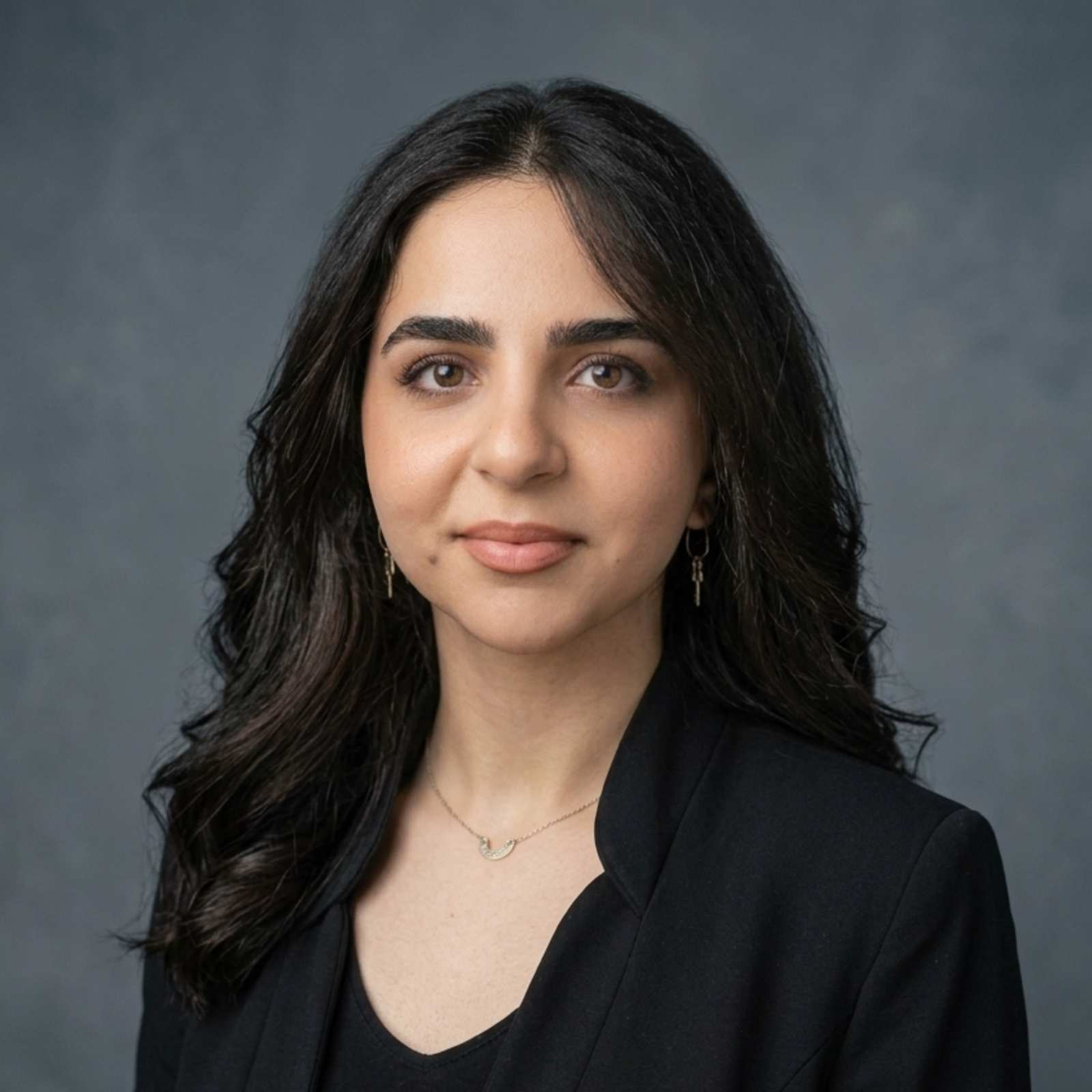
Rayane Mahmoud
Beauty market analyst covering trends, brands, and distribution shifts.