Fenty Beauty's WhatsApp AI Advisor: How Messaging Commerce Becomes the New Front Door for DTC Beauty

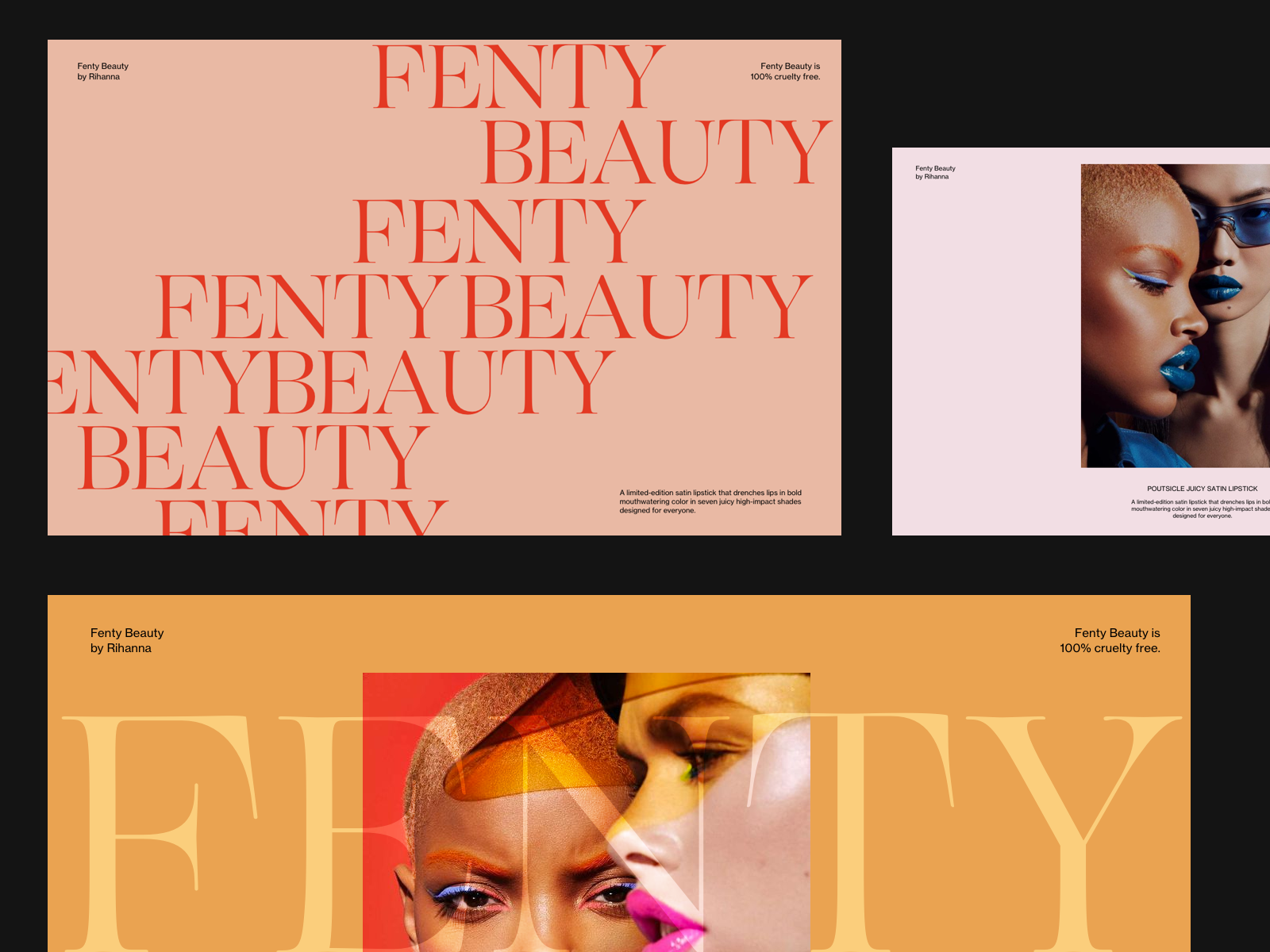
Fenty Beauty's WhatsApp advisor launch reflects a deliberate portfolio rationalization of digital touchpoints—consolidating discovery, consultation, and transaction into a single conversational thread rather than dispersing customer acquisition spend across fragmented social and search channels. The AI-powered system leverages proprietary shade-matching algorithms trained on Fenty's extensive foundation range data, enabling personalized product guidance through natural language queries without forcing users to navigate traditional e-commerce architecture. This approach directly addresses conversion friction that has plagued beauty DTC: average cart abandonment rates in prestige beauty e-commerce sit at 68%, driven largely by shade uncertainty and overwhelming SKU proliferation that messaging-based advisors can collapse into guided experiences.
The strategic consolidation mirrors broader industry moves toward owned conversational channels. L'Oréal Groupe deployed WhatsApp commerce pilots across six markets in 2023, while Estée Companies expanded SMS-based consultation services to 14 brands in its portfolio. Fenty's deployment distinguishes itself through end-to-end transaction capability—customers can complete purchases within WhatsApp rather than being redirected to external checkout flows, reducing friction points that typically erode conversion by 40% at each additional step.
The question facing beauty executives is no longer whether conversational commerce warrants investment, but how quickly they can rebuild distribution architecture around it before competitors colonize the channel.
Geographic Expansion Through Messaging Infrastructure
The WhatsApp-first strategy carries particular weight in markets where messaging apps serve as de facto commerce operating systems—specifically across Southeast Asia, Latin America, and the GCC, regions where Fenty has pursued aggressive distribution expansion. In markets like Indonesia and Brazil, WhatsApp penetration exceeds 85% of smartphone users, and consumer behavior skews heavily toward chat-based shopping interactions over traditional app or web experiences. By embedding commerce capability directly into WhatsApp, Fenty bypasses the costly infrastructure of localized e-commerce sites, payment gateway integrations, and logistics partnerships that typically gate prestige beauty expansion into emerging markets.
This distribution architecture also enables Fenty to maintain margin structure that wholesale partnerships erode. Direct conversational commerce channels carry gross margins between 75-82% compared to 45-55% for traditional retail distribution, while customer acquisition costs through messaging platforms average $18 versus $47 for paid social conversion—a compelling economic argument for portfolio reset toward owned messaging channels as primary customer touchpoints.
In markets like Indonesia and Brazil, WhatsApp penetration exceeds 85% of smartphone users, and consumer behavior skews heavily toward chat-based shopping interactions over traditional app or web experiences.
AI Advisor Economics and the Future of Beauty Consultation
The AI advisor model fundamentally reframes the economics of personalized beauty consultation at scale. Traditional prestige beauty consultation—whether in-store or through virtual try-on technology—carries prohibitive unit economics: each interaction costs brands between $12-$25 when factoring in associate time, technology infrastructure, or sampling costs. Fenty's WhatsApp AI advisor collapses consultation costs to under $0.80 per interaction while maintaining 24/7 availability across time zones and languages, creating viable economics for consultation-driven selling that previously existed only in physical retail environments.
The technology stack reportedly integrates computer vision for user-uploaded photos, natural language processing for preference capture, and real-time inventory management to ensure recommended products remain in stock—a persistent pain point in beauty e-commerce where out-of-stock experiences drive 34% of customers to competitive purchases. By consolidating these capabilities into a conversational interface, Fenty effectively transforms its product catalog into a dynamic recommendation engine that adapts to individual customer inputs rather than relying on static product pages and algorithmic guesswork.
Strategic Implications for Beauty's Distribution Future
Fenty's WhatsApp commerce deployment represents more than channel diversification—it signals a structural shift toward messaging as the primary distribution architecture for digitally native prestige beauty. As customer acquisition costs across Meta's advertising ecosystem continue climbing past $60 per conversion in competitive categories, brands face mounting pressure to build owned conversational channels that bypass paid media intermediaries while maintaining direct customer relationships. The brands that establish messaging-first commerce infrastructure earliest will secure sustainable competitive advantage in markets where traditional retail footprints remain cost-prohibitive and social commerce conversion continues underperforming standalone messaging experiences. The question facing beauty executives is no longer whether conversational commerce warrants investment, but how quickly they can rebuild distribution architecture around it before competitors colonize the channel.
Rayane Mahmoud
Beauty market analyst covering trends, brands, and distribution shifts.