Facial Actives at Mass Margins: Olay's $14.99 Body Oil Signals a $6.8B Category Under Reconstruction

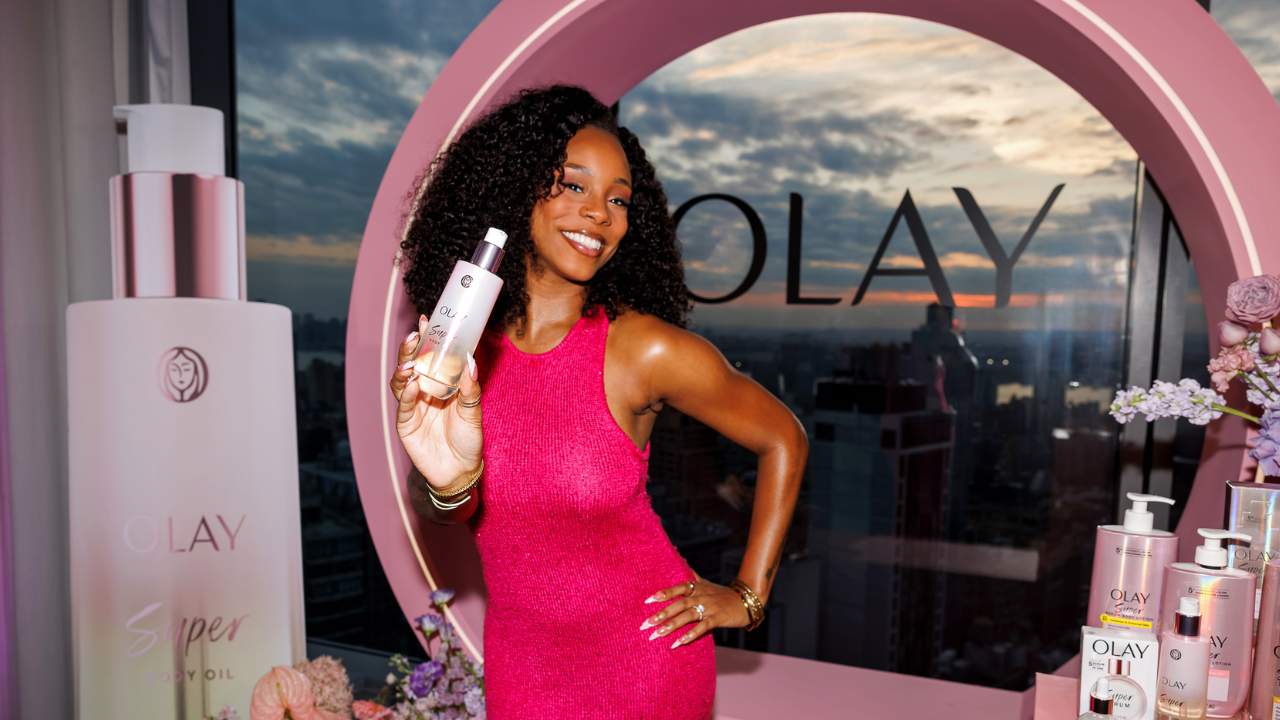
The global body care market is projected to reach $6.8 billion by 2028, compounding at a CAGR of 5.4%, and the segment's next competitive frontier is no longer fragrance or format. It is active ingredient migration. Procter & Gamble's Olay has moved bakuchiol and collagen peptides into a $14.99 body oil, a price point that signals something more consequential than a single product launch. It signals a deliberate distribution architecture shift, one that repositions mass body care as a clinical-adjacent category and raises the competitive threshold for every SKU on the drugstore shelf. The implications extend well beyond Olay's own portfolio.
The Ingredient Migration Is the Strategic Signal
Bakuchiol and peptides earned their credibility in prestige facial serums, where $80 to $150 price points could absorb the formulation cost and support the education required to sell a consumer on a retinol alternative. Olay has now priced that same efficacy story at $14.99 and placed it in a body care format distributed through national drug and mass retail. That compression of the prestige-to-mass ingredient cycle, which historically took a decade, is now running in roughly three to four years. The category implications are structural. Brands still treating body care as a fragrance-and-emollient business are operating with a positioning framework that the market has already moved past.
The choice of bakuchiol over retinol is also analytically sound, not merely trend-reactive. Body skin receives inconsistent UV protection relative to the face, and retinol's photosensitivity would require tolerability disclosures that complicate a mass-market rollout. Bakuchiol sidesteps the regulatory and consumer communication burden while delivering a comparable narrative. At this price point and volume, that is a genuine formulation strategy decision, not a marketing convenience.
Strategic consolidation in the segment will increasingly favor brands that have either built proprietary active complexes worth acquiring, or established prestige positioning defensible enough to survive the masstige expansion from below.
Distribution Architecture as Competitive Moat
Procter & Gamble's advantage here is not the formula. It is the channel infrastructure. P&G's relationship with major national retailers means this product reaches scale at launch in a way that an independent prestige brand introducing actives into body care simply cannot replicate. The $14.99 retail price, which would represent a margin constraint for most DTC or specialty-retail brands, is structurally sustainable for P&G precisely because volume velocity through mass retail absorbs ingredient cost at scale.
This creates a meaningful premiumization paradox. Smaller brands that pioneered active body care in the $30 to $60 range at Sephora or Ulta now face a mass-market counterpart that narrows their differentiation story without matching their price. The response from prestige players will likely involve either deeper clinical substantiation, more concentrated actives, or a portfolio reset that moves further up the price ladder and into dermo-cosmetic positioning.

Routine Architecture and Basket Engineering
The layering instruction built into this launch, applying the body oil over Olay's Super Serum Hand and Body Lotion, is borrowed directly from the multi-step facial skincare playbook. Prestige skincare established the routine architecture; mass brands are now executing it at drugstore velocity. The commercial logic is straightforward: two products in a purchase sequence raise basket value without requiring a higher unit price, which is precisely how prestige brands have maintained revenue per consumer even as acquisition costs rise.
99 retail price, which would represent a margin constraint for most DTC or specialty-retail brands, is structurally sustainable for P&G precisely because volume velocity through mass retail absorbs ingredient cost at scale.
The gourmand fragrance profile, built around pistachio cream, vanilla, and caramel, positions this as a sensorial product as much as a functional one. That dual positioning mirrors the trajectory of body mists and hair fragrance launches across the GCC and APAC markets, where scent has become the primary repurchase driver in otherwise commoditized personal care segments.
The M&A and Portfolio Implications
For investors monitoring beauty M&A, this launch is a leading indicator worth tracking. When a category as historically undifferentiated as mass body care begins absorbing facial active ingredients at this price point and distribution scale, it signals that the whitespace for independent brand building in entry-level body care is compressing. Strategic consolidation in the segment will increasingly favor brands that have either built proprietary active complexes worth acquiring, or established prestige positioning defensible enough to survive the masstige expansion from below.
Kate DiCarlo, Senior Director of Communications at Olay, framed the consumer proposition around luminosity and non-greasy wear. The B2B proposition is considerably broader. As active ingredient premiumization accelerates down the price ladder, the brands that survive and attract acquirer interest will be those that have moved decisively into clinical credibility, specialist retail positioning, or geographic expansion into underpenetrated markets across MENA and APAC, before mass distribution architecture closes the window.
This article references and builds on original reporting by Cosmestry News Service for cosmestry.com. Read the original piece here: https://cosmestry.com/olay-super-body-oil-launch/. BeautyScale is a commercial agency; our editorial notes are commentary on industry reporting.
Nya Ravel
Beauty market analyst covering trends, brands, and distribution shifts.