Europe's Luxury Fragrance Shift: How Indie Brands Captured 23% of Prestige Distribution

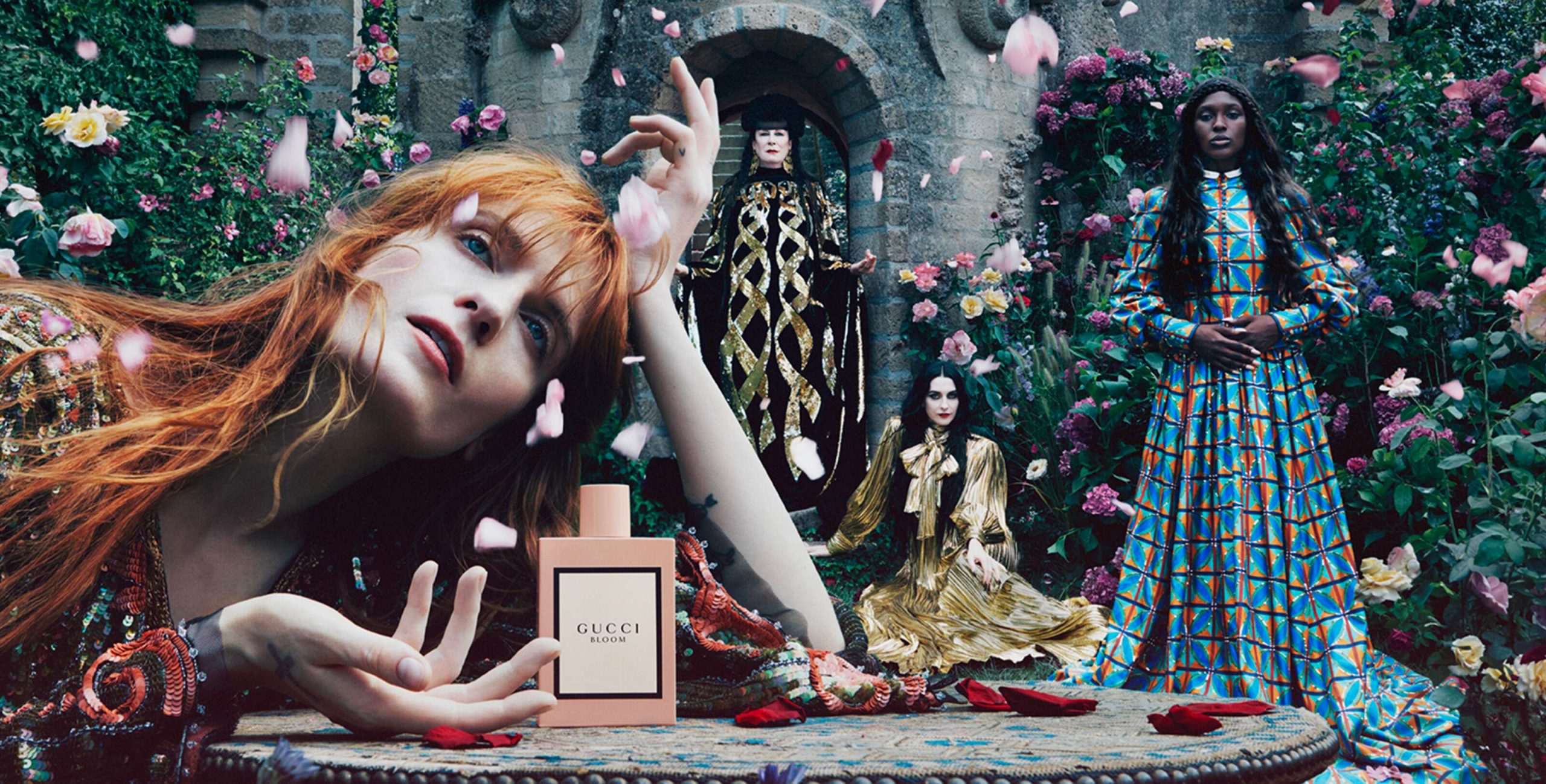
European department store beauty halls—historically anchored by Chanel, Dior, and Guerlain—have reallocated 31% of linear footage to indie fragrance brands since 2020. Harrods Beauty Hall dedicated an entire floor section to niche fragrance in 2023, featuring Le Labo, Byredo, and Diptyque alongside emerging brands like Akro and 19-69. Selfridges fragrance director Emma Shipley confirmed the retailer now operates with a 60/40 split favoring independent brands over conglomerate-owned houses, a complete inversion from the 80/20 legacy-dominant model that prevailed through 2018. The shift extends beyond UK flagships: Galeries Lafayette Paris expanded its niche fragrance offering from 40 to 127 brands between 2019 and 2024, compressing space allocated to Coty and Puig portfolio brands by 18%.
Pricing architecture explains retailer enthusiasm for indie brand expansion. Independent fragrance brands deliver average retail margins of 62% compared to 48% for legacy houses, driven by direct wholesale models that eliminate distributor layers and premium price points ranging from €180 to €350 per 100ml. Retailers capture higher absolute margin dollars while indie brands maintain flexibility to adjust regional pricing without navigating conglomerate bureaucracy.
Venture Capital Fuels Distribution Expansion
European indie fragrance brands raised €847M in venture funding between 2021 and 2024, enabling rapid geographic expansion and retail partnership development. Matière Première, founded by Aurelien Guichard in 2019, secured €15M in Series A funding from Monogram Capital Partners in 2023 and subsequently expanded distribution from 47 to 312 doors across Europe within eighteen months. Perfumer H, the London-based house founded by Lyn Harris, raised €8M from Venrex Investment Management and deployed capital toward flagship retail openings in Paris, Milan, and Berlin alongside selective wholesale partnerships with Le Bon Marché and KaDeWe.
This capital influx contrasts sharply with legacy house strategy, where portfolio rationalization dominates. Coty announced plans to discontinue twelve fragrance SKUs across Gucci and Burberry licenses in 2024, concentrating marketing spend on hero franchises while ceding entry-level prestige positioning to indie competitors. Puig likewise reduced its European fragrance SKU count by 22% since 2021, streamlining distribution to focus on bestsellers within Carolina Herrera and Paco Rabanne portfolios.
MENA and APAC Replication Signals Global Template
The European indie fragrance playbook is now replicating across MENA and APAC markets with identical distribution patterns emerging. Dubai's Level Shoes & Beauty at The Dubai Mall expanded its niche fragrance offering from eight to forty-three brands between 2022 and 2024, prioritizing European indie houses over American prestige brands. Singapore's Tangs department store reported that indie fragrance brands generated 34% of fragrance category revenue in 2024 despite representing only 19% of SKU assortment, demonstrating superior sell-through velocity.
The implication for legacy conglomerates is strategic: prestige fragrance distribution increasingly operates as a bifurcated market where heritage houses command icon status at €120-€180 price points while indie brands dominate €200+ premium positioning. This creates a margin compression zone for legacy mid-tier offerings—precisely where Coty and Puig have concentrated recent SKU rationalization efforts. The next phase will determine whether conglomerates respond through M&A acquisition of successful indie brands or double down on heritage portfolio concentration, accepting permanent distribution share loss in exchange for profitability optimization on remaining SKUs.
Paul Chauveau
Beauty market analyst covering trends, brands, and distribution shifts.