Drunk Elephant's $1.2B Problem: Why Shiseido Wrote Down the Decade's Most-Hyped Acquisition
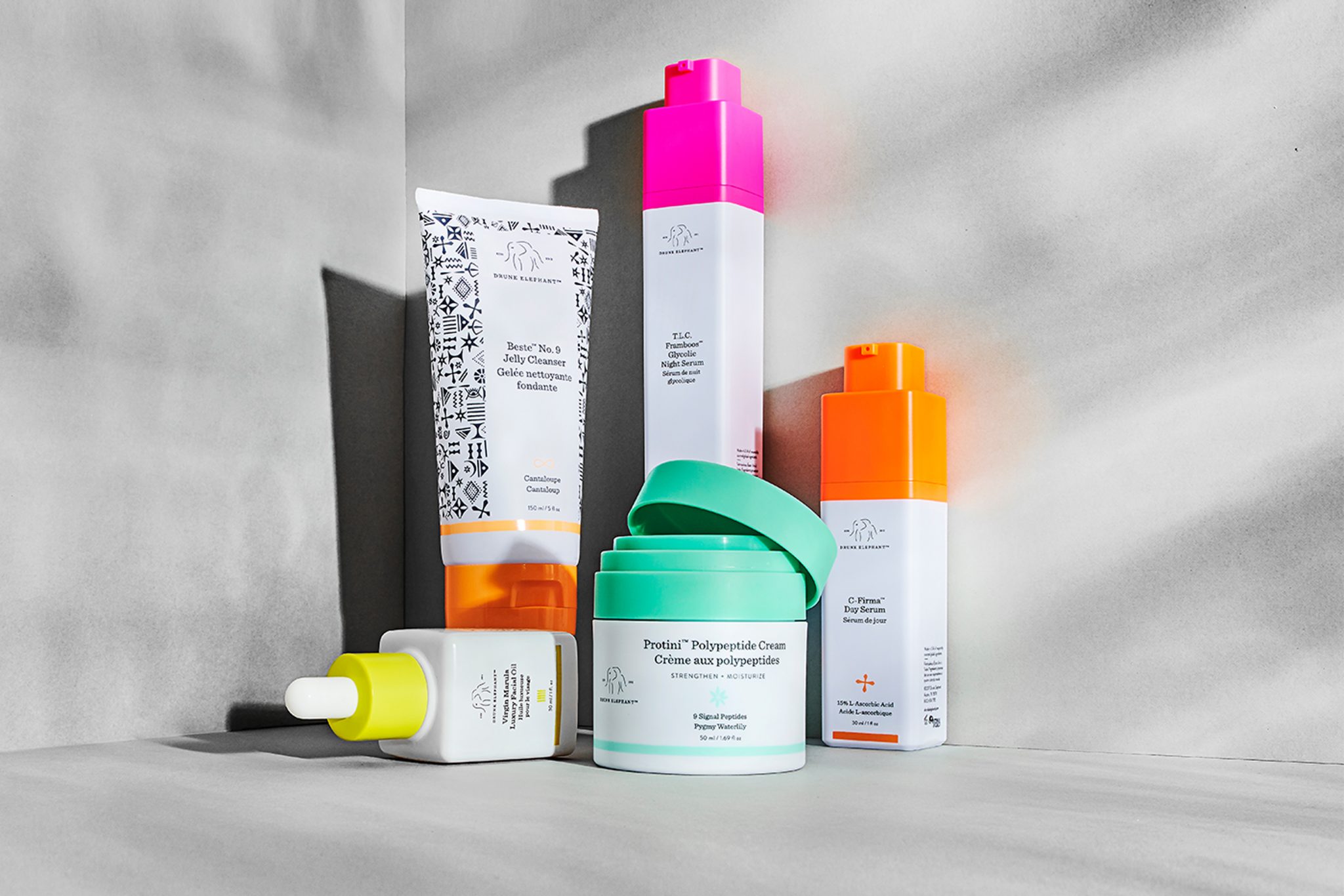
Shiseido's 2019 play for Drunk Elephant represented the era's dominant acquisition logic: secure distribution control over digitally-native brands with cult followings before competitors could consolidate the prestige indie category. Founder Tiffany Masterson had built a $150 million revenue brand on clean formulation narratives and Sephora exclusivity — precisely the growth vectors that justified EBITDA multiples exceeding 15x across similar transactions. The $1.2 billion valuation assumed Drunk Elephant could scale to $500 million in annual revenue within five years while maintaining 25% operating margins, a projection that required both geographic expansion into APAC markets and successful channel diversification beyond Sephora's ecosystem.
Neither materialized at projected velocity. Drunk Elephant revenue plateaued near $200 million by 2023, according to industry estimates, while operating margins compressed below 18% as customer acquisition costs escalated and clean beauty positioning became table stakes rather than differentiation. The brand's APAC expansion delivered half of forecasted penetration, hampered by Shiseido's inability to translate Drunk Elephant's narrative-driven brand equity into markets where efficacy claims and dermatological validation carry greater purchase intent weight than ingredient exclusion stories.
For brands currently fielding acquisition interest, Drunk Elephant's impairment serves as leverage: demanding governance structures that preserve the velocity and cultural positioning that justified premium valuations in the first place.
Portfolio Architecture vs. Founder Velocity
The impairment charge quantifies what qualitative market observation already confirmed: corporate portfolio integration systematically erodes the velocity that made founder-led brands acquisition targets in the first place. Masterson's departure from operational leadership in 2022 — framed as a planned transition but occurring two years ahead of typical earn-out structures — removed the founder energy that sustained brand heat through continuous product innovation and unfiltered social media engagement. Shiseido replaced that velocity with governance frameworks designed for mature prestige franchises, not emerging brands dependent on cultural relevance and community authenticity.
This structural mismatch appears across the industry's indie acquisition portfolio. Unilever wrote down Tatcha by $390 million in 2020, L'Oréal significantly reduced Clarisonic's brand value before discontinuing the line entirely, and Kao's $1.3 billion acquisition of Molton Brown has delivered minimal accretive growth since 2016. The pattern reveals a category-wide miscalculation: legacy beauty conglomerates acquired brands built on anti-establishment positioning, then applied the establishment's operational playbook.
The impairment charge quantifies what qualitative market observation already confirmed: corporate portfolio integration systematically erodes the velocity that made founder-led brands acquisition targets in the first place.
The Distribution Architecture Trap
Drunk Elephant's impairment also exposes the brittleness of prestige distribution architecture when brands lose heat. Sephora exclusivity — the foundation of Drunk Elephant's scarcity-driven demand — became a ceiling rather than a floor once the brand's cultural momentum stalled. Shiseido lacked the portfolio leverage to force expanded door count or premium merchandising placement, leaving Drunk Elephant competing for attention against hundreds of clean beauty entrants with similar positioning but lower price points. The brand's refusal to expand into masstige channels preserved prestige credentials but capped addressable market penetration at Sephora's customer base, which itself faces intensifying competition from Ulta's masstige-to-prestige pivot and digitally-native DTC brands bypassing multi-brand retail entirely.
Strategic Implications for Beauty M&A
Shiseido's $845 million write-down forces a recalibration of how acquirers value founder-led indie brands and structure post-acquisition integration. The next cycle of beauty M&A will likely emphasize operational autonomy provisions, founder retention commitments extending beyond three-year earn-outs, and acquisition prices tied more closely to sustainable EBITDA rather than revenue growth projections. For brands currently fielding acquisition interest, Drunk Elephant's impairment serves as leverage: demanding governance structures that preserve the velocity and cultural positioning that justified premium valuations in the first place. The alternative — absorption into legacy portfolio architecture — now carries a quantified risk premium that boards and shareholders will scrutinize far more rigorously than they did when Shiseido wrote the $1.2 billion check.
Yann Fagniez
Beauty market analyst covering trends, brands, and distribution shifts.