China's $70B Beauty Consolidation: How Domestic Giants Are Reshaping Global M&A

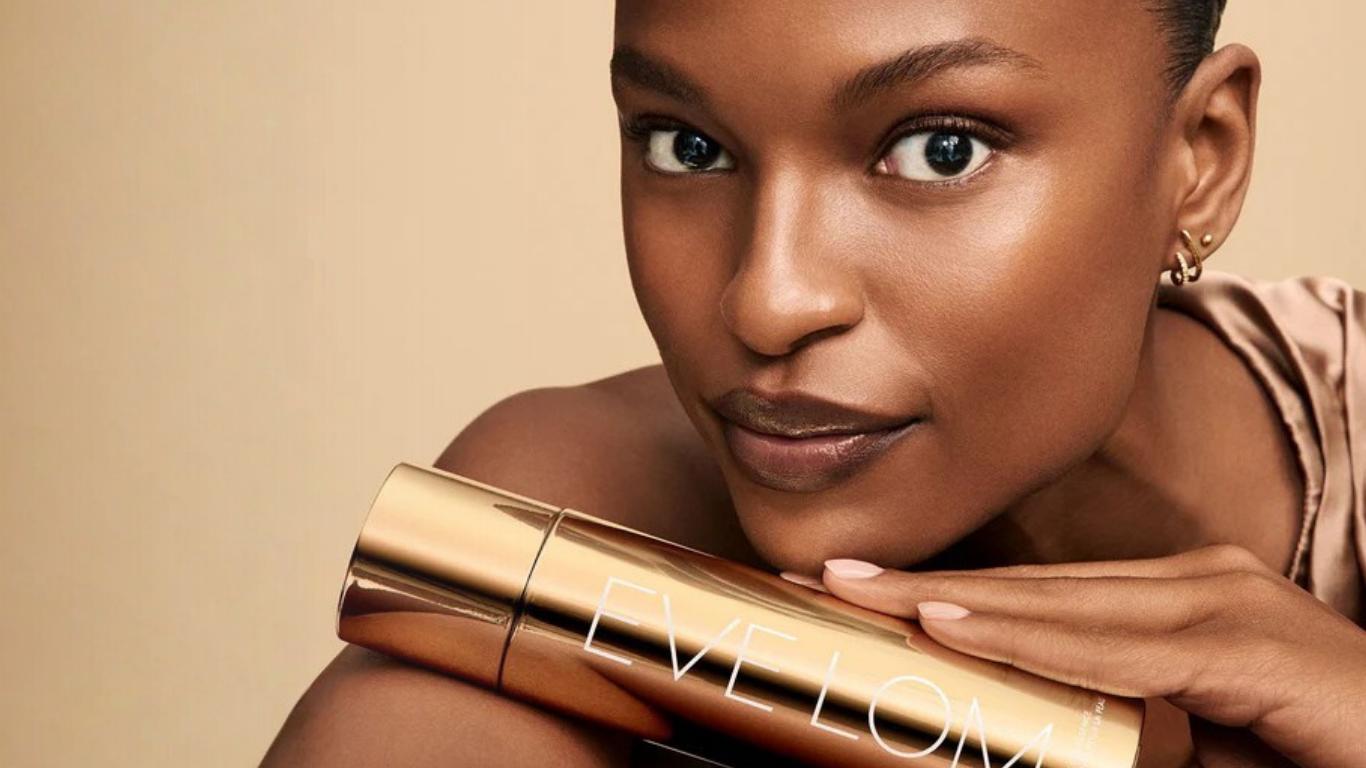
Chinese beauty conglomerates collectively account for more than $70 billion in domestic market value, and they are no longer content to grow organically within a saturating home market. The six companies now drawing the most M&A attention, Ushopal Group, S'Young International, Proya Cosmetics, Beauty Farm, Joy Group, and Yatsen Holding, represent a structural inflection point in how prestige positioning gets built at scale. Where prior waves of Chinese beauty expansion were largely inward-facing, the current acquisition cycle is explicitly outbound, targeting brand equity, distribution architecture, and category adjacencies that domestic R&D pipelines cannot replicate fast enough. The implication for global brand managers and investors is direct: the competitive landscape for prestige shelf space is being redrawn by buyers with long capital runways and sophisticated portfolio logic.
Fewer Deals, Larger Stakes, Sharper Intent
Global beauty M&A volume declined roughly 18% year-over-year in 2024 by deal count, yet average transaction size climbed as strategic buyers replaced financial sponsors at the negotiating table. Chinese acquirers are operating precisely within this dynamic, executing fewer transactions with materially higher strategic specificity. S'Young International has demonstrated particular discipline, anchoring its outbound strategy around imported prestige brands with established APAC momentum rather than speculative early-stage targets. This approach prioritizes distribution leverage over raw brand discovery, a meaningful distinction from the deal logic that characterized the 2015 to 2019 wave of Chinese beauty investment.
Proya Cosmetics presents a complementary case. The company has used domestic cashflow from its masstige success to fund a premiumization strategy that targets Western dermocosmetic IP. Rather than building premium credentials from scratch, Proya is acquiring them, compressing what would otherwise be a decade-long brand-building timeline into a structured integration process. That efficiency calculus is increasingly common among Chinese strategic buyers who understand that prestige positioning, once established through distribution architecture and retail placement, compounds faster than it can be replicated through organic growth alone.
Distribution Architecture as the Real Asset
The underreported dimension of this acquisition cycle is that Chinese buyers are not simply purchasing brand names. They are purchasing channel access, retailer relationships, and the distribution infrastructure that moves product through Sephora, Douglas, Boots, and equivalent prestige retail environments in MENA and GCC markets. Ushopal Group's acquisition strategy reflects this directly. Its portfolio targets brands that carry intrinsic retail leverage in markets where Chinese domestic labels currently lack credibility at the prestige tier.
Joy Group has pursued a parallel logic in the professional and spa channel, where distribution relationships are more defensible and less susceptible to the promotional volatility that undermines prestige positioning in mass retail. For brand managers evaluating partnership or acquisition discussions with Chinese strategic buyers, the distribution asset embedded in the brand often matters more to the buyer than the hero SKU or the founder story.
Portfolio Reset and the Yatsen Recalibration
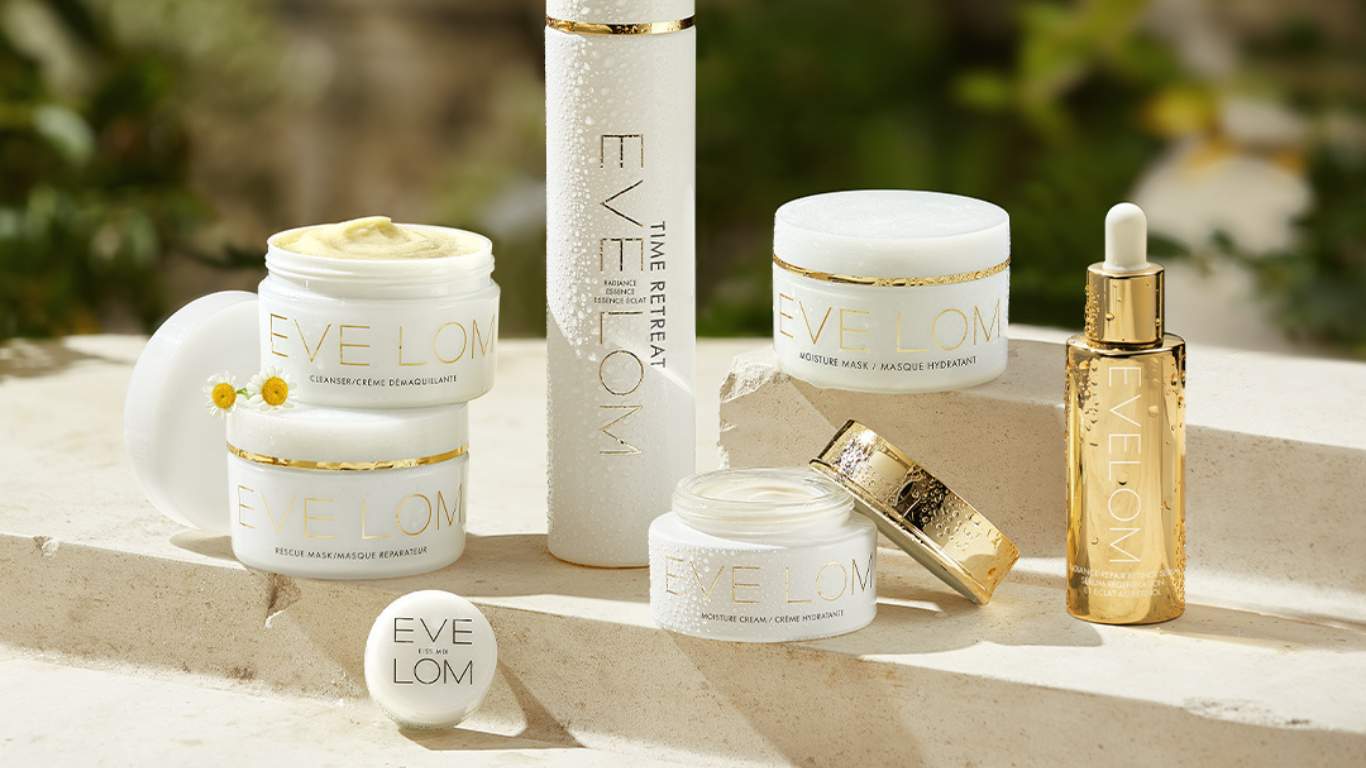
Yatsen Holding's trajectory deserves particular scrutiny because it illustrates both the ceiling and the correction available to Chinese beauty companies pursuing premiumization through M&A. After acquiring Eve Lom and Galénic, Yatsen spent the subsequent period executing what amounts to a portfolio reset, rationalizing its brand architecture around fewer, higher-margin properties and moving away from the acquisition velocity that initially defined its strategy. The lesson is instructive: owning prestige brands and operating them at prestige economics are distinct capabilities, and the gap between them is where value destruction concentrates.
Beauty Farm's more measured approach, focusing on professional-grade positioning and selective distribution, has produced more durable margin profiles precisely because the company resisted the temptation to accelerate through volume. In a market where prestige credibility erodes the moment a brand appears in the wrong channel, distribution discipline is as strategically important as product quality.
What Comes Next for Global Beauty's Power Structure
The forward thesis is not that Chinese acquirers will dominate global beauty through sheer acquisition volume. The more consequential outcome is that they will reshape the negotiating terms between brands, retailers, and distributors across APAC, MENA, and eventually Western European markets. As companies like S'Young and Ushopal build out multi-brand distribution platforms anchored in prestige positioning, they begin to function less like holding companies and more like channel infrastructure providers. That structural role historically belonged to LVMH Beauty, Puig, and Shiseido Group.
The brands that will retain optionality in this environment are those that manage their distribution architecture proactively rather than reactively. A brand that arrives at the acquisition table with clean channel controls, credible prestige placement, and minimal discounting history commands a meaningfully different valuation than one that has traded long-term equity for short-term volume. Chinese strategic buyers increasingly know the difference, and they are pricing accordingly.
Martin Jacob
Beauty market analyst covering trends, brands, and distribution shifts.