Chanel's Rouge Coco Hydra Gloss Activation: Decoding $78B Category Consolidation

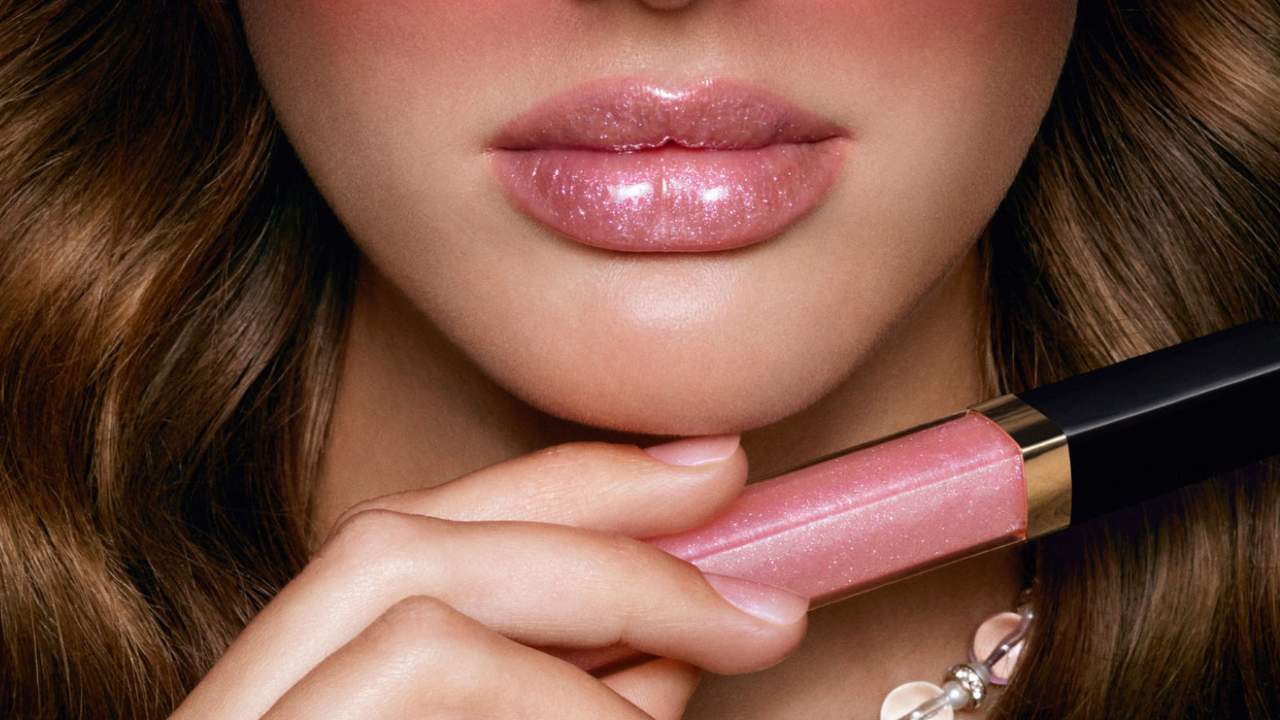
The global lip cosmetics market is projected to reach $78.1 billion by 2030, compounding at a 6.4% CAGR, and the brands engineering their distribution architecture today will be the ones writing the category's revenue story at the end of this decade. Prestige players are not passively riding that growth curve. They are actively restructuring point-of-discovery frameworks, channel mix strategies, and portfolio positioning to capture disproportionate share before the window of consolidation closes. Chanel Beauty sits at the center of that conversation, not simply because of brand equity, but because of how deliberately the house is managing where and how its lip portfolio meets the consumer.
Point-of-Discovery Is Now a Strategic Asset
For decades, prestige lip performed within a predictable distribution architecture: department store counters, travel retail, and flagships. That model is under structural pressure. The rise of specialty retail, social commerce, and DTC channels has fragmented the discovery funnel in ways that legacy prestige playbooks did not anticipate. Brands that fail to rebuild their channel logic around how prestige consumers now browse, trial, and convert are ceding influence at precisely the moment category demand is accelerating. Chanel's approach, historically defined by selective distribution and deliberate scarcity, is being tested against a market that rewards visibility as aggressively as it rewards exclusivity.
The tension is productive. Chanel has not pivoted toward mass accessibility, nor should it. Instead, the house has leaned into experiential retail formats and curated digital adjacencies that extend prestige positioning without diluting it. This is premiumization executed at the distribution layer rather than only at the product layer, a more sophisticated and defensible move than a simple price increase.
Portfolio Reset as Competitive Positioning
The lip category has become one of the highest-velocity arenas for portfolio activity. Color cosmetics brands across the prestige and masstige tiers are executing portfolio resets, rationalizing SKU counts, elevating hero products, and using limited-edition architecture to sustain cultural relevance between core launches. Chanel's Rouge Coco and Rouge Allure franchises illustrate a franchise-first model in which hero product families anchor positioning while adjacent innovations, new finishes, expanded shade ranges, and tactile packaging upgrades, maintain commercial momentum without fragmenting brand identity.
This is a materially different strategy than the SKU proliferation common in masstige players. Where masstige brands compete on assortment breadth and price accessibility, Chanel competes on franchise depth and cultural authority. In a market growing at 6.4% compound annual growth rate, the question is not whether demand exists. The question is which brands have the portfolio architecture to convert that demand into durable category leadership rather than transient volume.
The M&A Undercurrent in Lip
Strategic consolidation is reshaping the competitive landscape beneath the surface of brand-level marketing. Holding groups are acquiring specialty lip brands with strong DTC traction and Gen Z resonance, folding them into broader distribution networks while attempting to preserve the founder-market authenticity that drove their initial growth. That integration challenge is significant. Founder dynamics, particularly the departure of founding creative voices post-acquisition, have demonstrably weakened brand positioning in multiple recent cases across the wider color cosmetics segment.
Chanel's status as a privately held, independently governed house insulates it from the portfolio pressure that acquisition-driven growth creates for publicly traded competitors. The house is not managing lip as one of thirty acquired brands inside a conglomerate P&L. It is managing lip as a core identity category within a singular brand universe. That structural difference is a competitive advantage that does not appear on a balance sheet but shapes every creative, distribution, and pricing decision the house makes.
What Distribution Architecture Will Decide
The $78.1 billion projection is a ceiling figure. Who captures meaningful share of it will be determined by distribution intelligence, not product quality alone. Prestige brands that extend into travel retail corridors across APAC and GCC with format-appropriate storytelling will outperform those that treat those channels as overflow inventory. Brands that invest in point-of-sale as a sensory and editorial environment, not simply a transaction point, will build the discovery moments that translate into brand loyalty across a full lip franchise.
For brand managers and retail strategists monitoring category dynamics, the actionable signal here is this: audit your distribution architecture the way you audit your portfolio. Identify where your prestige positioning is being diluted by channel context, where your hero franchises lack discovery investment, and where your channel mix leaves growth on the table in high-CAGR geographies. The lip category will reach $78.1 billion. The distribution decisions made between now and 2027 will determine whose revenue that becomes.
This article references and builds on original reporting by globalcosmeticsnews.com. Read the original piece here: https://www.globalcosmeticsnews.com/chanel-supports-rouge-coco-hydra-gloss-launch-with-selfridges-activation/. BeautyScale is a commercial agency; our editorial notes are commentary on industry reporting.
Martin Jacob
Beauty market analyst covering trends, brands, and distribution shifts.