CeraVe's $3B TikTok Paradox: How Dermatologist Endorsement Built the World's Fastest-Scaling Masstige Skincare Brand

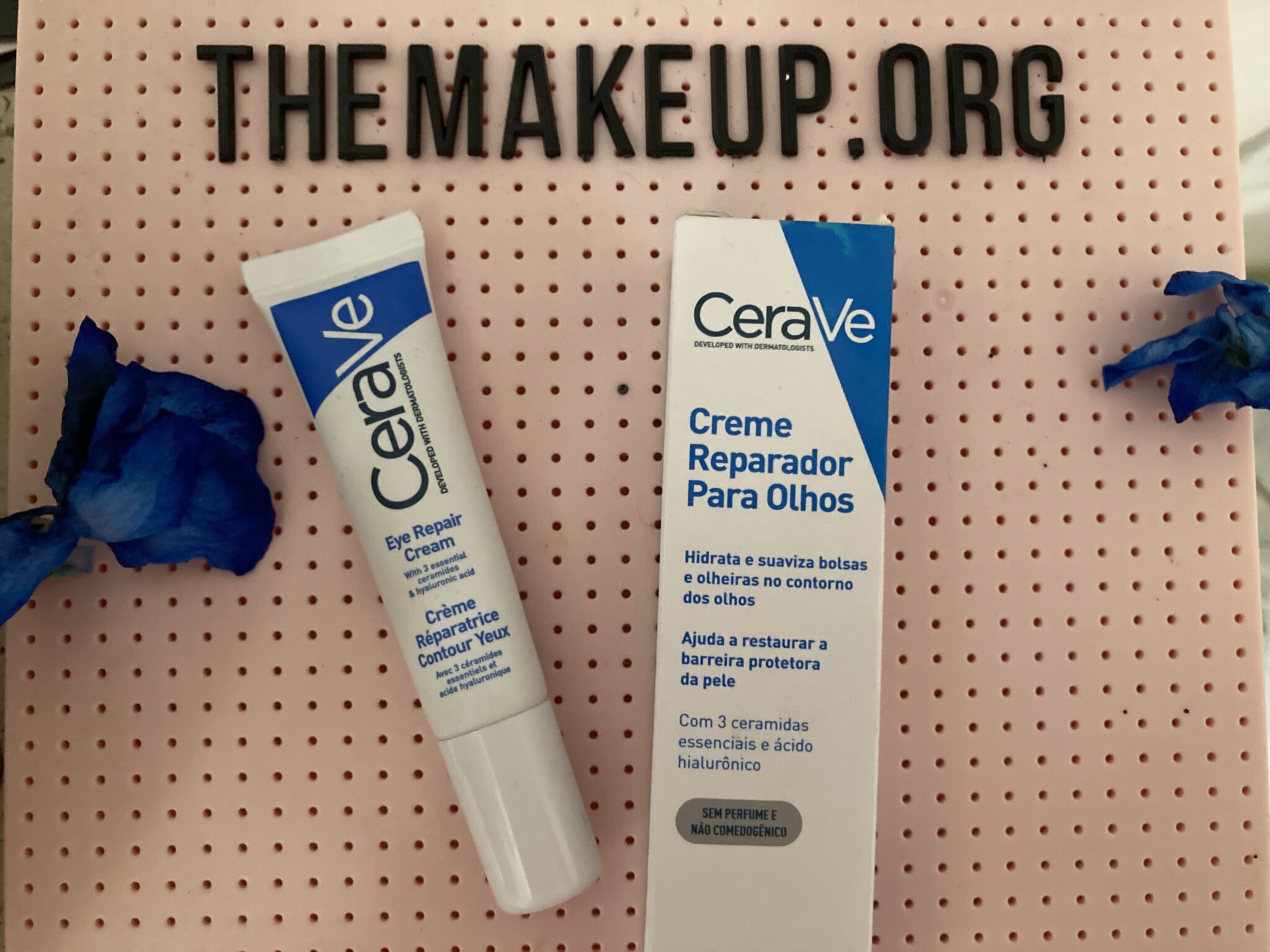
CeraVe's dermatologist-developed formulation story — centered on ceramide technology and the patented MVE delivery system — provided the scientific substrate necessary for organic advocacy at scale. The National Eczema Association seal and dermatologist recommendation rates exceeding 70% in the U.S. market created a permission structure for beauty enthusiasts and skincare novices alike to champion the brand without prestige tax. This credibility architecture proved essential when TikTok's algorithm began surfacing CeraVe content in 2020, enabling user-generated content to function as distributed clinical testimonial rather than aspirational lifestyle marketing. The brand's #CeraVe hashtag accumulated 4.8 billion views by late 2023, with micro-influencers and board-certified dermatologists alike validating product efficacy through unpaid content creation.
L'Oréal's decision to maintain CeraVe's mass-market distribution footprint — rather than pursue selective retail partnerships typical of prestige skincare — transformed accessibility into strategic advantage.
Distribution Ubiquity as Competitive Moat
L'Oréal's decision to maintain CeraVe's mass-market distribution footprint — rather than pursue selective retail partnerships typical of prestige skincare — transformed accessibility into strategic advantage. The brand's presence in 45,000+ U.S. doors across drug, mass, grocery, and specialty beauty channels created perpetual discovery moments that prestige competitors operating through Sephora's 500 U.S. locations cannot replicate at comparable scale. This distribution density compounds with TikTok virality: a consumer encounters CeraVe content on social platforms, then completes purchase within 24 hours at their local Target or CVS, collapsing the consideration cycle that typically extends weeks in prestige beauty. CeraVe's average retail price point of $14-18 further eliminates purchase friction, enabling trial conversion rates that exceed 40% among first-time buyers according to Nielsen panel data.
The brand's expansion into 60+ countries since 2017 followed digital-first distribution pilots rather than conventional geographic rollouts, allowing social proof to precede physical retail presence.
Portfolio Expansion Without Prestige Repositioning
CeraVe extended into sun care, body care, and targeted treatment categories between 2020-2023 without sacrificing its clinical positioning or adjusting price architecture upward — a portfolio rationalization strategy that prioritizes category dominance over margin expansion. The brand's AM Facial Moisturizing Lotion with SPF 30 became the #2 facial sunscreen in U.S. mass retail within 18 months of launch, demonstrating that dermatologist credibility transfers across categories more efficiently than traditional brand equity. L'Oréal CEO Nicolas Hieronimus confirmed in the company's 2023 full-year results that CeraVe achieved double-digit growth across all geographic markets, with particularly strong performance in APAC where K-beauty's "skin barrier" discourse created receptive ground for ceramide-focused formulations. The brand's expansion into 60+ countries since 2017 followed digital-first distribution pilots rather than conventional geographic rollouts, allowing social proof to precede physical retail presence.
Industry Implications: The Collapse of Prestige-as-Proxy-for-Efficacy
CeraVe's trajectory signals a permanent recalibration in how clinical authority translates to commercial performance — dermatologist endorsement now carries greater purchase influence than luxury packaging or department store placement among consumers under 40. This dynamic pressures prestige skincare brands to justify premium pricing through demonstrable clinical superiority rather than aspirational brand storytelling, while simultaneously forcing mass beauty portfolios to invest in R&D credibility that historically lived exclusively in prestige tiers. The masstige category, which CeraVe now defines more than any competitor, is projected to grow at 8.2% CAGR through 2028 according to Euromonitor, outpacing both mass and prestige skincare segments. Brands that successfully combine clinical validation, accessible pricing, mass distribution, and social-native content strategies will continue fragmenting share from legacy prestige players who remain anchored to selective retail models designed for a pre-platform era.
Yann Fagniez
Beauty market analyst covering trends, brands, and distribution shifts.