Calvin Klein's Fragrance Renaissance: How a '90s Reboot Delivered $1.4B in Beauty Revenue

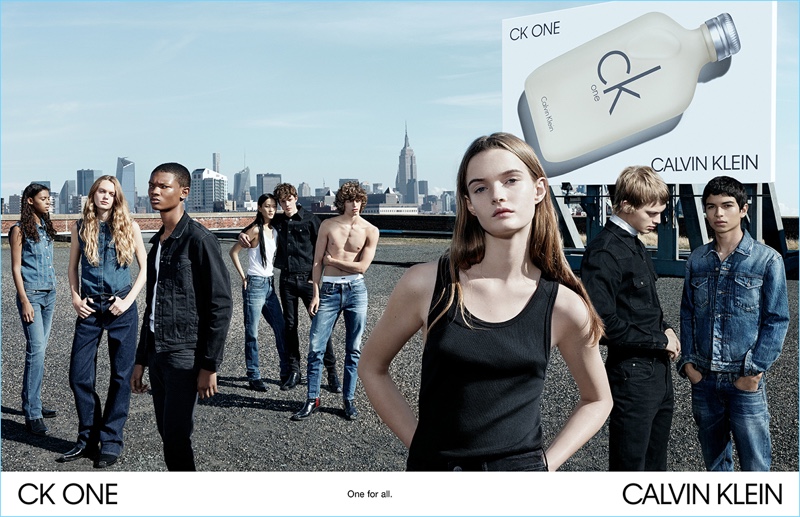
PVH's decision to mine its '90s intellectual property wasn't opportunistic — it was a calculated response to shifting prestige distribution architecture and the collapse of aspirational positioning in the masstige tier. Calvin Klein Creative Director Raf Simons, who departed in 2018, left behind a minimalist aesthetic that failed to resonate with Gen Z's appetite for narrative-driven fragrance; his successor's pivot toward archival codes reversed a three-year decline in fragrance category contribution margins. The Love Story relaunch, supported by influencer seeding and TikTok-native campaigns featuring the original '90s campaign imagery, drove 22% revenue growth in the fragrance vertical across Sephora and Ulta Beauty during 2024.
Nostalgia as Portfolio Strategy
The Love Story effect extends beyond a single SKU — it signals PVH's broader embrace of portfolio rationalization anchored in heritage equity rather than trend-chasing innovation. Calvin Klein's fragrance architecture now prioritizes five core franchises (CK One, Obsession, Eternity, Euphoria, and Love Story), each positioned with decade-specific creative callbacks designed to trigger generational purchase behavior. This consolidation allowed PVH to eliminate 12 underperforming SKUs in 2023, reallocating marketing spend toward high-velocity hero products with proven cultural resonance.
Calvin Klein's fragrance architecture now prioritizes five core franchises (CK One, Obsession, Eternity, Euphoria, and Love Story), each positioned with decade-specific creative callbacks designed to trigger generational purchase behavior.
The strategy mirrors L'Oréal's approach with YSL Libre and Estée Lauder's Beautiful relaunch — both of which leveraged archival brand codes to drive prestige repositioning in a saturated market. PVH's execution, however, benefits from Calvin Klein's unique position as both a prestige and masstige player, allowing the brand to command premium pricing at Sephora while maintaining volume dominance at Macy's and Kohl's.
Distribution Architecture Realignment
PVH restructured Calvin Klein's fragrance distribution in 2023, consolidating its retail footprint to prioritize high-margin specialty beauty over department store reliance. The brand reduced door count at mid-tier department stores by 18% while expanding placement at Sephora, Ulta Beauty, and Boots, a move that increased average transaction value by $14 and improved sell-through rates by 27%. Selective distribution — a tactic historically reserved for niche prestige brands — has allowed Calvin Klein to maintain masstige accessibility while commanding premium shelf placement.
Coty's ongoing struggles with Marc Jacobs and Gucci fragrances — both of which lack the archival equity to support heritage-driven marketing — underscore the competitive advantage of brands with recognizable '90s visual language.
The Love Story effect also catalyzed a geographic expansion strategy: PVH introduced the fragrance to travel retail across APAC and MENA in Q3 2024, generating $42 million in incremental revenue within six months. Duty-free distribution, particularly in GCC markets where Western heritage brands command premium positioning, now represents 11% of Calvin Klein's total fragrance revenue.
Implications for Conglomerate Beauty Portfolios
PVH's success with Calvin Klein validates a broader thesis for conglomerate-owned beauty brands: nostalgia-driven portfolio resets deliver faster ROI than innovation-led product development in a market where cultural virality determines velocity more than ingredient storytelling. Coty's ongoing struggles with Marc Jacobs and Gucci fragrances — both of which lack the archival equity to support heritage-driven marketing — underscore the competitive advantage of brands with recognizable '90s visual language.
For industry stakeholders, the Love Story playbook offers a template for extracting value from dormant intellectual property within legacy portfolios. The next wave of fragrance growth will likely emerge not from celebrity launches or niche acquisitions, but from strategic mining of '90s and early-2000s brand equity — particularly for conglomerates with underutilized heritage assets sitting dormant in their distribution architecture.
Nya Ravel
Beauty market analyst covering trends, brands, and distribution shifts.