Why Every Major Beauty Brand Is Racing to Open in Saudi Arabia

Saudi Arabia's beauty market grew at approximately 12% annually from 2020-2025, significantly outpacing global beauty growth of 4-5%. The Kingdom's market valuation reached $14.5 billion in 2025 and is projected to exceed $22 billion by 2030. This growth reflects several converging factors: rising per capita income driven by diversification from oil dependency, female workforce participation increasing from 14% in 2015 to 33% in 2025, and Vision 2030 initiatives promoting cultural modernization and economic development.
Additionally, Saudi Arabia's population is remarkably young—approximately 70% of the population is under 45 years old. This demographic is globally connected through social media, mobile commerce, and international travel, creating sophisticated beauty consumers with aspirations and purchasing power previously concentrated in Western markets. A 25-year-old Saudi woman with income from professional employment has spending capacity and brand awareness comparable to similarly-aged Western consumers.
Retail Infrastructure Expansion and FDI Attraction
Saudi Arabia's retail infrastructure is undergoing unprecedented expansion. Riyadh, Jeddah, and Dammam are experiencing shopping destination construction at accelerated pace. The Kingdom's target is to open approximately 4,000 new retail locations between 2025-2030, with approximately 1,200 dedicated to beauty, fashion, and lifestyle categories. This retail expansion creates unprecedented opportunities for brands that establish early presence before key locations secured by competitors.
The Saudi government actively attracts foreign investment through regulatory simplification, tax incentives, and streamlined retail approval processes. Brands establishing distribution agreements face significantly lower regulatory barriers than traditional Middle Eastern markets. Additionally, the government has been encouraging domestic entrepreneurship and brand development, creating opportunities for joint ventures, local partnerships, and distribution agreements that leverage local partners' market knowledge and regulatory relationships.
"Saudi Arabia represents the final major beauty market with meaningful untapped potential and minimal brand saturation. The window for establishing market leadership is narrowing rapidly."
Industry ExpertAdditionally, brands must commit to regional supply chain investments, including local partnerships, dedicated distribution infrastructure, and trained retail staff who understand Saudi consumer preferences and purchasing behavior.
Premium Positioning and High Price Acceptance
Saudi consumers accept and expect premium pricing for international beauty brands. Luxury fragrance, premium skincare, and high-end makeup command price points 30-50% above Western markets, reflecting the region's luxury culture and consumer perception that international brands represent status and quality. A luxury skincare product priced at €120 in France typically sells for approximately €180-200 in Saudi Arabia—a margin that makes Saudi distribution highly profitable for brands.
This premium positioning means even products with modest Western sales generate substantial Saudi revenue. A brand with €5 million annual European sales could achieve €3-4 million annual Saudi sales within 3 years of market entry, given the price premium and rising consumer demand. For brands with limited Western growth potential, Saudi Arabia represents significant upside opportunity.
Female Empowerment and Beauty Spending Acceleration
Perhaps the most significant market driver is female economic participation and autonomy. Saudi women increasingly control their own purchasing decisions for beauty and personal care products—a fundamental shift from markets where purchasing decisions traditionally involved family approval. This consumer autonomy, combined with young age, global connectivity, and rising income, has created female consumers with beauty spending behavior and brand engagement comparable to Western markets.
Additionally, female workforce participation creates distinct beauty product demand. Working women require long-wear makeup, professional makeup aesthetics, and skincare addressing workplace stress and environmental exposure. These demands differ from at-home beauty standards, creating opportunities for brands positioning products toward professional/workplace usage. International brands are successfully positioning premium makeup and skincare toward Saudi professional women as beauty investment rather than luxury indulgence.
Fragmentation and Localization Requirements
Despite Saudi Arabia's increasing consumer sophistication, successful brands recognize that pure Western product positioning fails. Saudi consumers maintain distinct beauty preferences reflecting regional aesthetics, climate adaptation requirements, and cultural values. Coverage, longevity, and heat-resistance remain critical for makeup positioning. Additionally, fragrance preferences lean heavily toward niche, ultra-luxury, and artisanal options rather than mass-luxury positioning successful in Western markets.
This demographic is globally connected through social media, mobile commerce, and international travel, creating sophisticated beauty consumers with aspirations and purchasing power previously concentrated in Western markets.
Brands establishing Saudi presence must develop localized marketing emphasizing functionality and climate adaptation rather than Western aspirational positioning. Additionally, brands must commit to regional supply chain investments, including local partnerships, dedicated distribution infrastructure, and trained retail staff who understand Saudi consumer preferences and purchasing behavior.
"Brands treating Saudi Arabia as secondary market with Western product positioning are failing. Successful entrants commit to market-specific strategies treating Saudi as primary market."
Industry ExpertCompetitive Implications and Market Entry Barriers
As competition intensifies, market entry barriers are rising. Prime retail locations in Riyadh and Jeddah are being secured by early movers. Sephora, which currently operates 25 locations in Saudi Arabia, is executing aggressive expansion targeting 60+ locations by 2028. International department stores including Harvey Nichols and Galeries Lafayette are expanding Saudi presence, reducing retail opportunities for brands lacking department store representation.
Additionally, regional and local Saudi brands are emerging as serious competitors. Companies like Beun Beauty, Amira, and other local brands are capturing market share through locally-relevant positioning, lower prices, and authentic regional identity. Brands entering Saudi Arabia now face entrenched competition that was absent 3-5 years ago, making market entry significantly more challenging.
Strategic Implications for Beauty Companies
For global beauty companies, Saudi Arabia represents critical growth market that cannot be ignored. The window for establishing market leadership is rapidly closing. Brands without Saudi presence by 2027 will face significantly higher barriers to entry and lower growth potential compared to early movers. Additionally, Saudi Arabia's position as gateway market to broader Gulf Cooperation Council region makes Saudi presence strategically important for building regional distribution infrastructure.
However, success requires genuine commitment to market understanding and localization. Brands approaching Saudi Arabia as Western market with regional adjustments will underperform. Successful brands commit to Saudi-specific product development, marketing positioning, and distribution strategies that recognize the Kingdom as distinct market with unique consumer preferences and competitive dynamics.
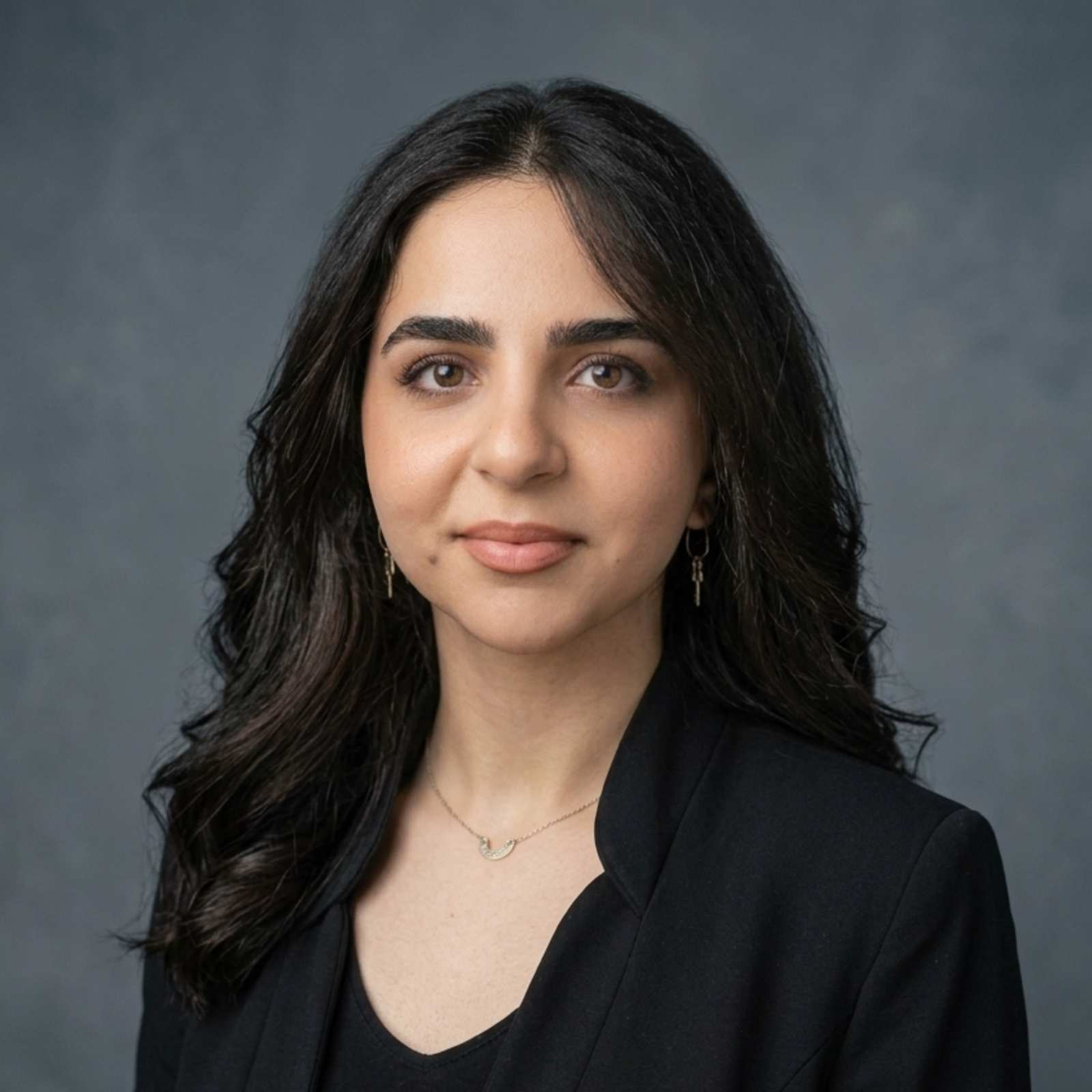
Rayane Mahmoud
Beauty market analyst covering trends, brands, and distribution shifts.