Botox Goes Retail: The $23B Aesthetic Market's Quiet Democratization Reshaping Distribution

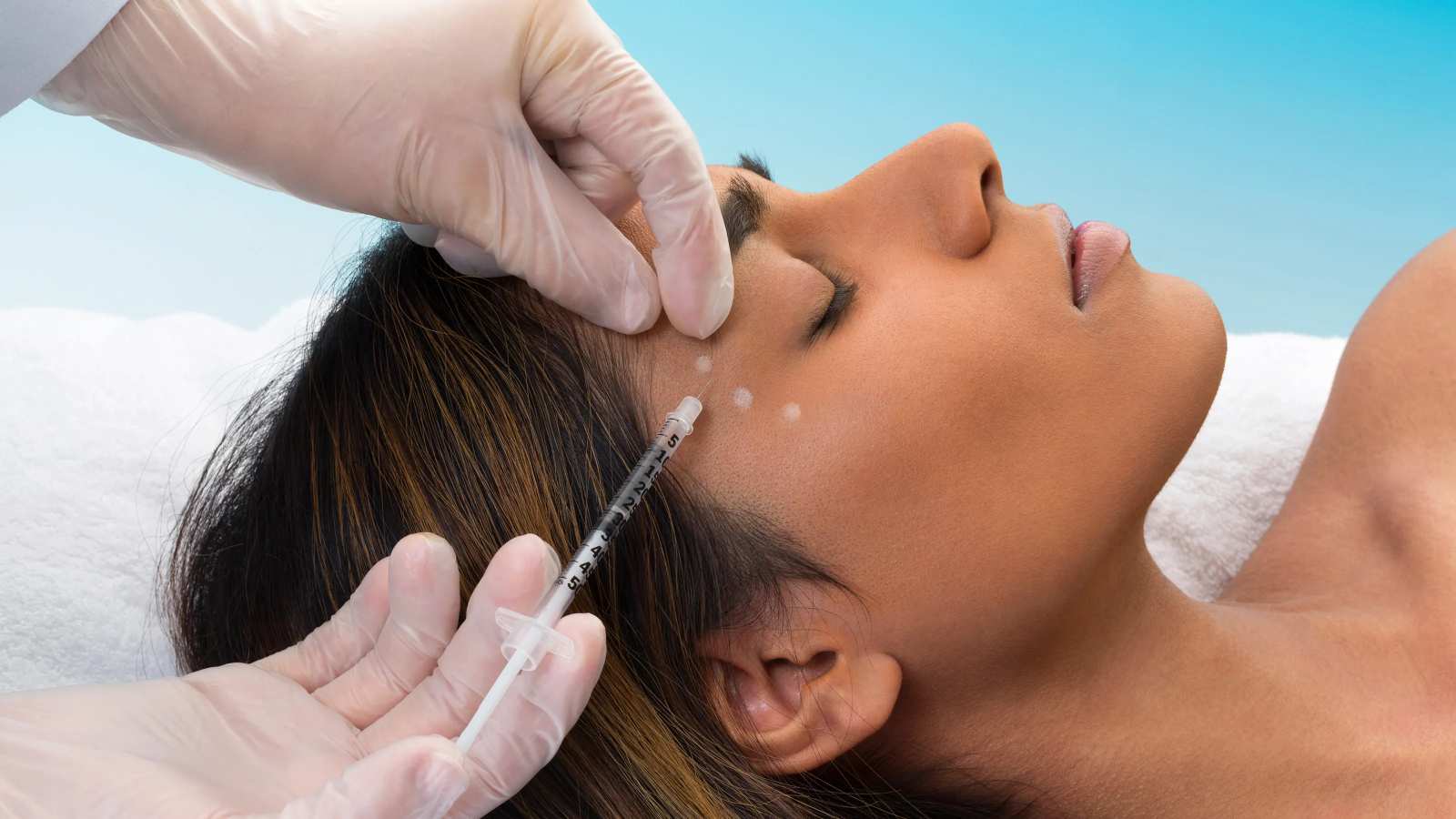
The global injectable aesthetics market, valued at $18.2 billion in 2025, is undergoing its most significant distribution disruption in two decades. What began as a medica-spa phenomenon confined to dermatologists' offices and plastic surgery practices is rapidly fragmenting into a multi-channel ecosystem—from licensed mobile clinicians arriving at corporate offices to aesthetic services embedded within community health centers. This shift marks a fundamental recalibration of how prestige beauty companies approach access, convenience, and brand positioning in a post-pandemic, value-conscious marketplace.
Allergan Aesthetics, AbbVie's crown jewel reporting $3.8 billion in 2024 revenues, has quietly sanctioned expanded distribution pathways that would have been unthinkable five years ago. The democratization of Botox—once gatekept by credential-heavy gatekeepers—reflects a broader industry recognition: accessibility is the new luxury. Yet this move simultaneously masks competitive pressures, margin compression, and the existential threat posed by biosimilar injectables entering the market at 30-40% price points below branded alternatives.
Distribution Architecture: From Vertical Control to Horizontal Networks
The traditional aesthetic distribution model operated vertically: brand manufacturer → medical practice → consumer. Allergan controlled this pipeline ruthlessly, limiting supply to credentialed providers and maintaining premium pricing power. That model is fragmenting.
Mobile aesthetics platforms—companies like Nurx and GlowUp—now operate as licensed clinical networks, delivering treatments in homes, offices, and hotels. Community health centers, historically excluded from aesthetic markets due to perceived brand misalignment, now represent untapped volume. Some dermatology groups have launched franchise or affiliate models, allowing independent nurse injectors to operate under their license framework while maintaining brand consistency.
This architecture shift mirrors mass-market fragmentation in skincare. Just as premium serums migrated downmarket through Sephora and Ulta, injectables are following similar distribution gravity. The difference: regulatory friction remains. Unlike topicals, neuromodulators require medical supervision, creating a protected middle layer of clinical gatekeepers that still control access.
The Premiumization Paradox: Volume vs. Margin
Here lies the strategic tension: Allergan expands distribution to capture volume growth in underserved demographics (suburban, price-sensitive, convenience-first consumers), but this volume cannibalizes margins and dilutes brand prestige positioning. A Botox unit sold through a mobile clinic generates lower revenue per injection than the same unit sold through a prestige medica-spa charging $18-25 per unit.
Competitors are exploiting this gap. Evolus (Jeuveau), positioned as a lower-cost alternative, has gained 12% market share since 2022 by targeting price-conscious consumers unwilling to pay premium margins. Ipsen's Dysport maintains a secondary position but offers aggressive rebate structures to practices adopting high-volume models.
The real threat: biosimilar injectables. As patent cliffs approach (Botox's patent exclusivity extends through 2029, but regulatory challenges loom), Chinese and Indian manufacturers are pre-positioning competitive products at 35-45% discounts. Mass distribution channels—particularly community health settings—become primary battlegrounds for volume capture before generics arrive.
Geographic Arbitrage and Regional Dynamics
Distribution expansion follows predictable geography: suburban growth corridors and secondary markets where medica-spa density remains low. Markets like Phoenix, Austin, and Charlotte are seeing rapid mobile clinic proliferation. Underserved rural areas represent nascent frontiers, though reimbursement infrastructure remains underdeveloped.
International markets show accelerated adoption. South Korea and Japan have embraced multi-channel distribution models for years; U.S. markets are simply catching up. European regulatory frameworks are simultaneously tightening (restricting non-physician administration in key markets like Germany and France) while expanding in others, creating arbitrage opportunities for regional distributors.
The Forward Signal: Convenience as Commodity, Experience as Premium
The industry is bifurcating into two distinct markets: accessibility-driven volume (convenience, price, no-friction booking) and experience-driven premium (artistry, outcomes, relationship). Allergan's distribution expansion signals confidence in maintaining volume share despite margin compression. The real competitive advantage will accrue to companies that master both channels simultaneously—maintaining prestige positioning for high-end practices while building brand equity in mass channels.
This isn't merely distribution strategy. It's portfolio architecture in real time.
Martin Jacob
Beauty market analyst covering trends, brands, and distribution shifts.