BioDance's $350M Hydrogel Play: Cracking EMEA Through Vertical Distribution Control
The global sheet mask market is projected to exceed $1.4 billion by 2028, compounding at a CAGR of 7.2%, yet the brands capturing disproportionate share are not legacy conglomerates. They are founder-led, digitally native Korean labels moving with speed that incumbents cannot replicate. Biodance, founded by Mihwa Kim in Seoul in 2021, has sold more than 350 million units of its Bio-Collagen Real Deep Mask since launch, a figure that places it among the fastest-scaling single-SKU skincare stories in the post-pandemic era. The brand's current UK expansion, anchored by a permanent counter at Selfridges' Oxford Street flagship, signals something more strategically significant than a retail milestone. It signals a deliberate portfolio reset and a distribution architecture built for prestige positioning rather than mass velocity.
Organic Discovery as a Demand-Generation Asset
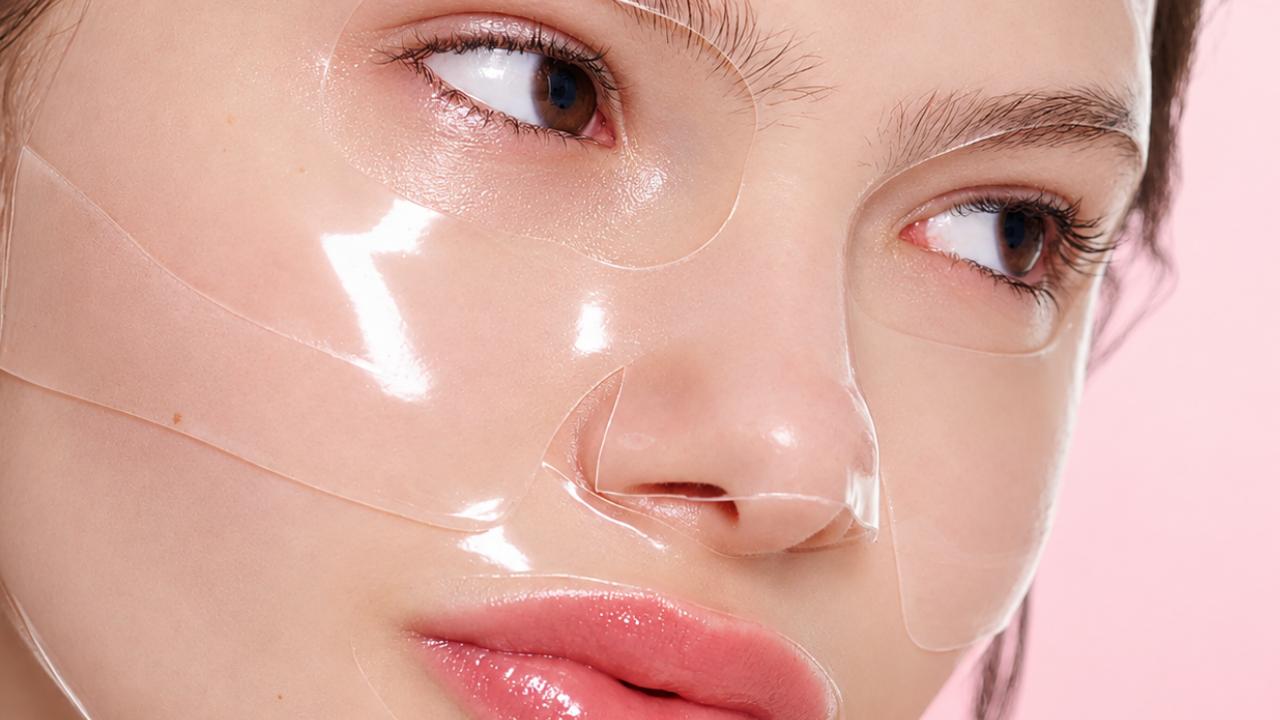
Biodance's international inflection point arrived in 2023 on Amazon US, not through a paid media blitz but through customer-generated content on TikTok and Instagram. Kim attributes the mask's virality in part to its visual mechanics: the product transitions from opaque to transparent on the skin, a sensory cue that generated organic shareability at scale. Sales value at Lookfantastic UK climbed 331.5% year-on-year in 2026, a data point that illustrates how earned media translated directly into measurable retail performance.
For brand managers and investors, the lesson here is structural. Biodance did not buy its way into international consciousness. It seeded a demonstration loop that reduced customer acquisition costs and built category credibility simultaneously. That mechanism is increasingly rare in an environment where paid digital spend across beauty brands has risen sharply since 2022, compressing return on ad spend across the category.
The Selfridges Counter as Prestige Signal, Not Simply a Sales Floor
Biodance's counter at Selfridges is not a volume play. Positioned alongside Medicube within the retailer's dedicated K-beauty destination, the placement communicates prestige alignment to both consumers and future trade partners. Kim's framing of luxury as "attention to detail" and informed purchase decisions reflects a brand philosophy more consistent with Aesop or Dr. Barbara Sturm than with the masstige positioning typical of K-beauty's first wave of Western penetration.
This matters for the brand's distribution architecture across the UK and, by extension, Europe. Biodance already holds shelf space at Boots, Superdrug, and Space NK, covering entry, mid-tier, and specialty retail simultaneously. The Selfridges counter completes a four-channel stack that allows the brand to operate across price perception tiers without cannibalizing its core identity. That architecture requires careful inventory and assortment management, but executed correctly it insulates the brand from the margin compression that tends to accompany single-channel dependency.

Portfolio Depth as the Real Strategic Imperative
The Bio-Collagen Real Deep Mask is a franchise asset, but Kim has been explicit about her intention to migrate consumer attention toward Biodance's broader range: toner pads, serums, creams, mists, and targeted patches. This is the classic challenge of a hero-SKU brand attempting a portfolio reset, and the execution risk is real.
The Selfridges counter addresses this risk with a specific mechanic: live demonstrations, sampling, and consultations that cannot be replicated on an e-commerce product page. Physical retail, in this context, is not a nostalgia play. It is a conversion environment for a category, hydrogel technology, that requires tactile education to drive trial beyond the flagship product. Kim's decision to prioritize the UK partly on the basis of British consumers' orientation toward ingredient science and clinical efficacy is analytically sound. That consumer profile is more receptive to a considered portfolio conversation than markets where purchase decisions are more impulsively trend-driven.
What Comes Next for Biodance and the Broader K-Beauty M&A Landscape
The K-beauty sector is entering a period of strategic consolidation. Korean conglomerates including Amorepacific and LG H&H are actively evaluating acquisition targets among founder-led brands with proven Western distribution, while European strategic buyers including L'Occitane Group have demonstrated sustained appetite for premiumization plays from APAC. Biodance's combination of verifiable unit economics, clean distribution architecture, and a founder with operational credibility and a compelling brand origin narrative positions it as precisely the kind of asset that attracts term sheet activity within a 24-to-36-month horizon.
Whether Kim pursues an M&A exit, a private equity partnership, or a continued independent growth trajectory, the variables are aligning. A 350-million-unit product, a four-channel UK distribution stack anchored by the country's most iconic department store, and a systematic push to convert single-product buyers into full-range loyalists: that is not a viral moment. That is a brand architecture built for duration.
This article references and builds on original reporting by Sophie Smith for The Industry Beauty. Read the original piece here: https://theindustry.beauty/the-interview-biodance-founder-mihwa-kim-on-turning-a-viral-bestseller-into-a-global-skincare-brand/. BeautyScale is a commercial agency; our editorial notes are commentary on industry reporting.
Rayane Mahmoud
Beauty market analyst covering trends, brands, and distribution shifts.