Arab Fragrance Goes Mainstream: From Lattafa to Amouage and Beyond

Arab fragrance (alternatively termed "Oriental fragrance" or "A-Beauty fragrance") encompasses a distinct sensory and cultural tradition. The category emphasizes bold, warm notes—oud, amber, musk, vanilla, and spices—over the light, citrus-forward profiles dominant in Western fragrance since the 1980s. These are fragrances designed for presence, not restraint. They're evening and occasion fragrances, not everyday scents.
Historically, these brands operated almost exclusively in Middle Eastern and South Asian markets. Amouage, founded in Oman in 1983, was relatively unknown outside GCC countries until 2018. Lattafa, a Dubai-based fragrance house founded in 1994, sold primarily to regional retailers and wholesale channels. To Western fragrance consumers, they were exotic afterthoughts, not legitimate category competitors.
That's changed. In 2025, Sephora expanded its Arab fragrance selection by 340%, introducing lines from Mona Kattan (Kayali), Nida Mahmood (Nida), and Aseel Al-Rashid (Aseel & Co). Ulta Beauty launched a dedicated "Arab Fragrance" category section, with 18 brands from Amouage to Lattafa. On TikTok, #ArabFragrance has 2.1B views, with Gen Z creators popularizing scents at a velocity matching mainstream Western brands.
The Amouage Ascendancy
Amouage's growth trajectory is instructive. The Omani luxury brand was valued at $180M in 2022, generating approximately $110M in annual revenue with minimal Western distribution. By 2025, revenue reached $187M—extrapolating a 70% three-year CAGR—with substantial North American growth. In-store Sephora placements now number 340+ locations in the US alone.
Amouage's positioning sits at the intersection of prestige and accessibility. Fragrances retail between $140-240, competitive with Creed and Tom Ford but positioned as more "authentic" and less accessible than designer fragrance. The brand's visual identity—ornate bottles, Oman-rooted storytelling, ethical sourcing narratives—performs exceptionally well on Instagram and TikTok, driving awareness among affluent Gen Z consumers seeking differentiation.
Critically, Amouage retained founder vision and regional credibility while expanding globally. Unlike traditional luxury acquisitions (where LVMH or Kering would absorb and homogenize), Amouage remained founder-controlled, preserving the cultural authenticity that drives premium pricing and consumer preference.
The brand's visual identity—ornate bottles, Oman-rooted storytelling, ethical sourcing narratives—performs exceptionally well on Instagram and TikTok, driving awareness among affluent Gen Z consumers seeking differentiation.
Lattafa's TikTok Takeover
Lattafa's North American ascent tells a different story: grassroots, social-native growth. Lattafa fragrances retail for $35-90—intentionally undercutting Western prestige brands while maintaining quality-forward positioning. On TikTok, Lattafa fragrances average 2.8M views per content piece featuring user testimonials, scent journeys, and blind comparisons against Tom Ford and Creed.
"Lattafa taught Gen Z that fragrance doesn't require a European heritage story. Just good juice at a better price."
— Beauty TikTok creator @scentsibuild, 3.2M followers, January 2026The brand's value positioning has shattered traditional fragrance category assumptions. For decades, consumers accepted that premium fragrance meant premium pricing. Lattafa proved that premium quality could exist at $60 rather than $200, fundamentally disrupting Western fragrance margin expectations.
Lattafa's 2025 revenue is estimated at $89M globally, with 42% derived from North American channels—a five-year CAGR of 156%. The brand now stocks in 650+ Sephora locations and has launched at Ulta Beauty as a exclusive brand. Demand is supply-constrained; certain SKUs are perpetually sold out.
Kayali's Creator-Founder Model
Kayali, founded by Mona Kattan (sister of Huda Kattan of Huda Beauty) in 2018, represents the modern Arab fragrance playbook: founder visibility, TikTok/Instagram native, Sephora-first distribution strategy. Kayali fragrances ($65-75) position as accessible luxury, targeting younger fragrance consumers previously uninterested in the category.
The timing of Arab fragrance's Western mainstreaming reflects broader cultural shifts: Gen Z's rejection of Eurocentric beauty standards, the rise of authentic founder-led brands, and fragrance's social currency on TikTok.
Kayali's growth is exceptional. Estimated 2025 revenue: $156M (entirely from international markets, with 71% derived from North America). The brand claims to have sold 1.2M units in 2025—a 94% increase year-over-year. Kayali's Instagram following exceeds 1.8M; TikTok content averages 6.2M views per post. Mona Kattan's personal brand—as entrepreneur and Huda Beauty stakeholder—drives credibility and authenticity.
Why Now?
The timing of Arab fragrance's Western mainstreaming reflects broader cultural shifts: Gen Z's rejection of Eurocentric beauty standards, the rise of authentic founder-led brands, and fragrance's social currency on TikTok. Additionally, the Middle East's geopolitical and economic prominence—driven by Saudi Arabia's Vision 2030 investments and UAE's positioning as a global fintech/retail hub—has elevated Arab culture globally.
"Arab fragrance isn't niche anymore. It's category-defining. Western brands are now the ones feeling foreign."
— Fragrance buyer, Sephora EMEA, December 2025The Broader Implication: "A-Beauty"
Arab fragrance's mainstream penetration signals the emergence of "A-Beauty" (Arab Beauty) as a global category, parallel to K-Beauty and J-Beauty. The narrative shifts from "exotic niche" to "legitimate category alternative." Western brands like Tom Ford are now competing on formulation and price against regional authenticity—a game Western brands designed for global scale historically struggle to win.
By 2028, Arab fragrance will likely represent 18-22% of the global prestige fragrance market, up from 8% in 2020. The categories will bifurcate: Western fragrance companies will remain dominant in designer and mass segments, while Arab brands will capture disproportionate share in prestige and ultra-prestige segments among consumers valuing authenticity, quality, and cultural differentiation.
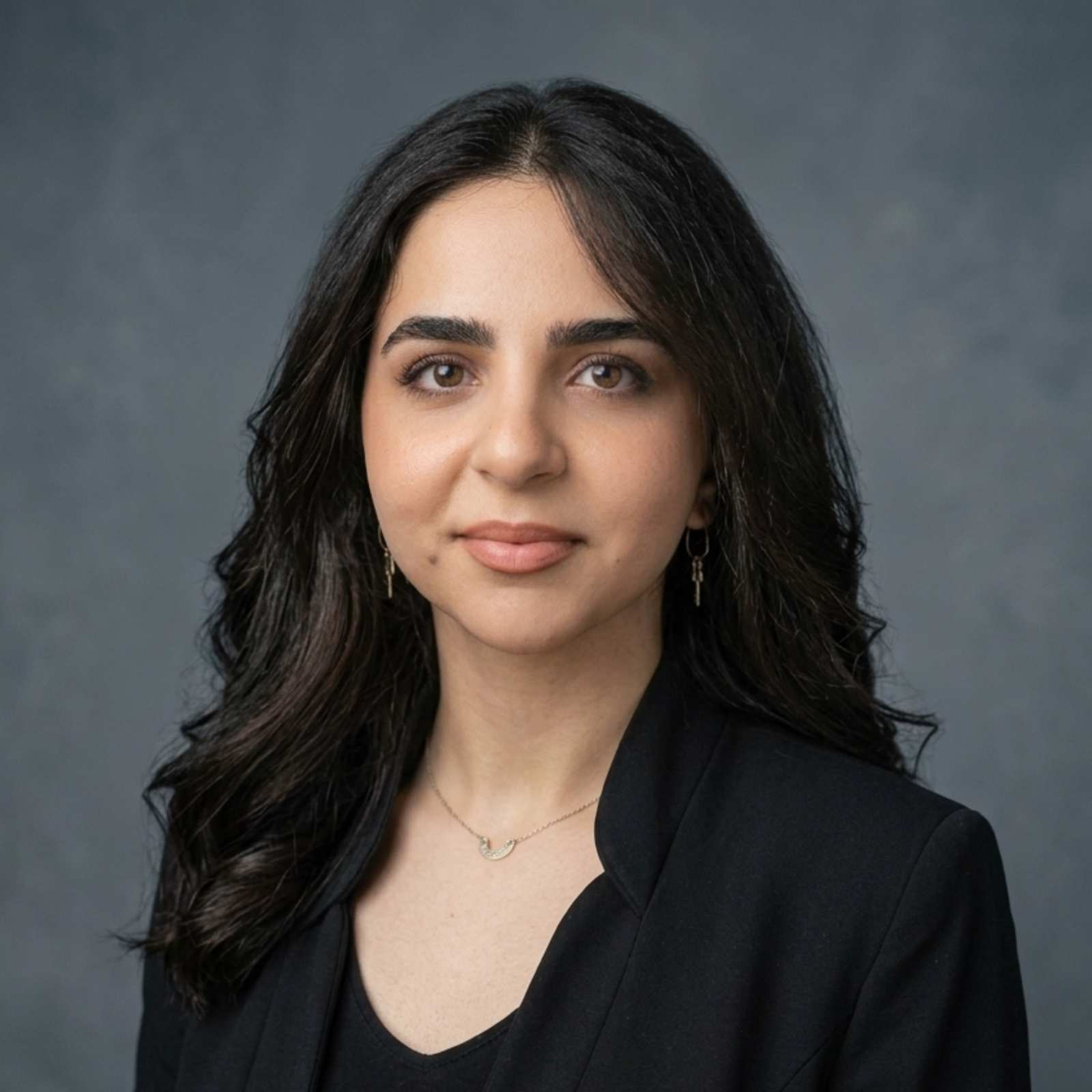
Rayane Mahmoud
Beauty market analyst covering trends, brands, and distribution shifts.