Amorepacific's $3.6B Pivot: How K-Beauty's Largest Conglomerate Is Rebuilding Its Distribution Architecture for the Next Decade
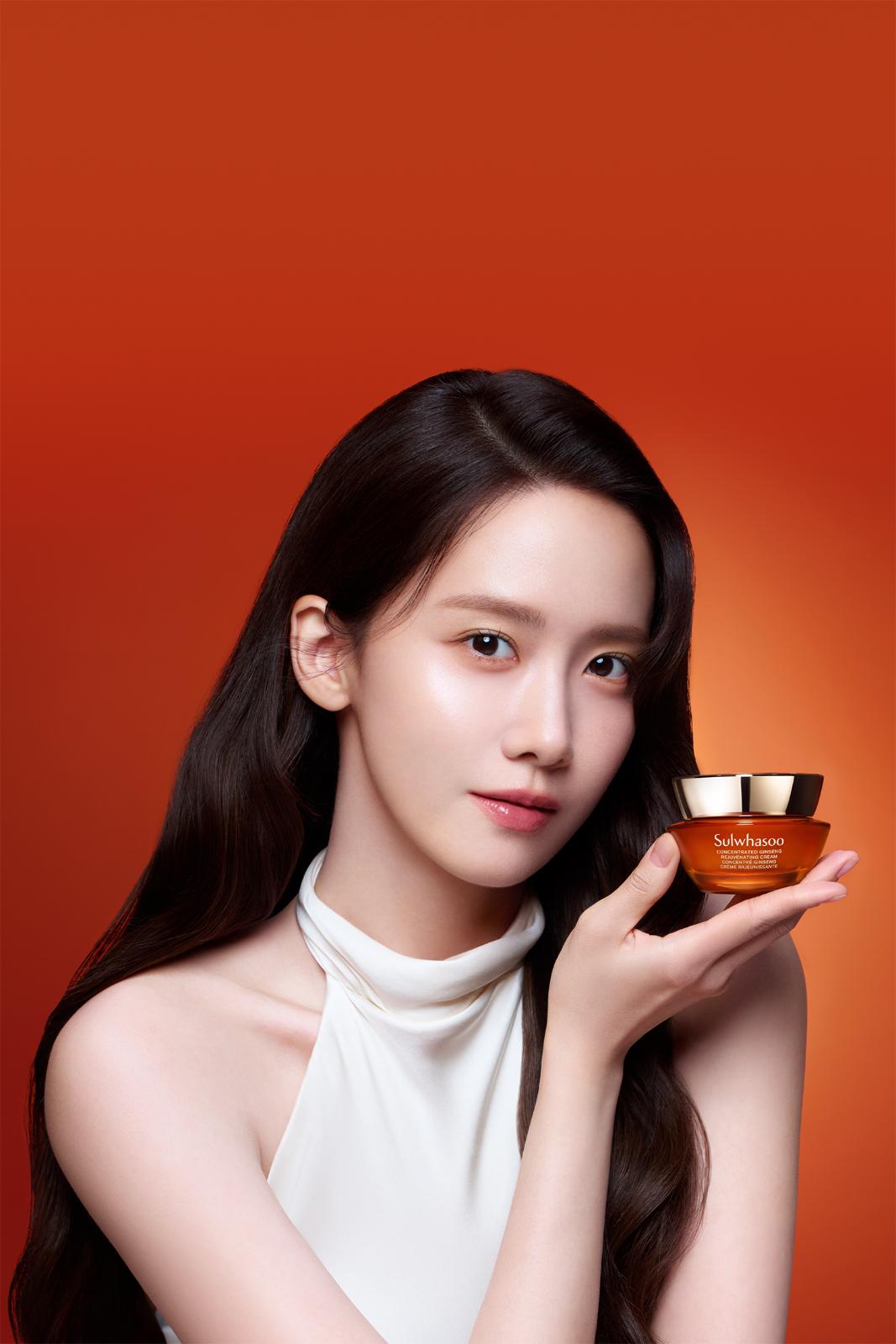
That divergence is not incidental. It reflects a category undergoing a fundamental reset — one where distribution architecture, channel mix, and dermacosmetics credentialing are displacing traditional brand equity as the primary competitive lever. Seunghwan Kim, Global CEO of Amorepacific, has signaled a deliberate departure from reactive product cycling, opting instead for long-duration strategic consolidation anchored in North America and Europe. The strategic logic is sound. The execution risk is real.
---
The Indie Disruption Tax Is Now a Balance Sheet Problem
Amorepacific's legacy portfolio — spanning Sulwhasoo, Laneige, Innisfree, and Etude — was architected for a distribution era defined by department store dominance and travel retail volume. Both channels have structurally contracted. Innisfree's standalone retail footprint in the U.S. effectively collapsed by 2022. Etude remains underscaled outside APAC. Meanwhile, sub-$50M indie brands like Skin1004, Mixsoon, and Beauty of Joseon are outperforming on TikTok Shop and Revolve with asset-light models that require no wholesale anchor.
The conglomerate's response — leaning into scale as a differentiator — is a defensible thesis, but only if that scale translates into distribution infrastructure that indie players cannot replicate. Owned logistics, retail co-investment partnerships, and dermatologist credentialing pipelines are where Amorepacific holds structural advantages. Activating those advantages with speed is the operative challenge.
Executing both simultaneously, across MENA and European markets, while managing North American channel expansion, is precisely the operational complexity that favors a conglomerate's infrastructure over an indie brand's agility.
---
Dermacosmetics Is the Premiumization Bridge North America Requires
Giovanni Valentini, CEO North America at Amorepacific, is navigating a market where clinical skincare has become the dominant premiumization narrative. The U.S. dermacosmetics segment — anchored by players like La Roche-Posay, CeraVe, and the rapidly expanding Dr. Jart+ — is projected to exceed $8.4 billion domestically by 2026. Amorepacific's dermatology-rooted IP, particularly across its Laneige barrier-repair positioning and emerging functional actives pipeline, represents an undercapitalized asset against that backdrop.
The strategic implication is direct: Amorepacific does not need to acquire its way into dermacosmetics credibility — it needs to reframe existing R&D assets within a clinical communication architecture. That requires a different retail partner conversation. Sephora and Ulta remain primary U.S. distribution nodes, but the fastest-growing dermacosmetics volume is moving through Target's skincare sets, Amazon's premium beauty storefront, and specialty health retailers — channels where Amorepacific's current shelf presence remains thin.
---
Europe Represents a Masstige Arbitrage, Not a Prestige Play
Amorepacific's European expansion warrants analytical precision that broad "international growth" framing obscures. The GCC and Western Europe are not equivalent opportunity sets. In the GCC, Sulwhasoo's luxury positioning carries direct competitive surface area against La Mer and Sisley — markets where provenance storytelling and retail theater command a margin premium. In Western Europe, the addressable entry point is masstige: Laneige, positioned correctly against Caudalie or Drunk Elephant, can capture the €40–€80 skincare consumer who is overserved by mass and underserved by true luxury.
In Western Europe, the addressable entry point is masstige: Laneige, positioned correctly against Caudalie or Drunk Elephant, can capture the €40–€80 skincare consumer who is overserved by mass and underserved by true luxury.
That bifurcation demands a segmented distribution architecture — selective perfumery and department store placement for Sulwhasoo, Boots and Douglas for Laneige — rather than a unified launch playbook. Executing both simultaneously, across MENA and European markets, while managing North American channel expansion, is precisely the operational complexity that favors a conglomerate's infrastructure over an indie brand's agility.
---
The M&A Question Amorepacific Has Not Yet Answered
The company's strategic consolidation posture raises a forward-looking imperative that current management commentary leaves unresolved: whether organic portfolio reset is sufficient, or whether targeted M&A is required to accelerate clinical credentialing and Gen Z distribution penetration in Western markets.
Beiersdorf's acquisition of Chantecaille and Shiseido's ongoing restructuring of its Americas portfolio illustrate that conglomerate-scale repositioning increasingly requires inorganic acceleration. Amorepacific's balance sheet — carrying approximately $1.2 billion in cash equivalents as of its most recent fiscal disclosure — provides meaningful acquisition optionality. A targeted move into a U.S.-native dermacosmetics or microbiome skincare brand would simultaneously solve for clinical credentialing, DTC distribution infrastructure, and Gen Z brand equity in a single transaction.
The brands that will define K-beauty's next chapter in Western markets are not the ones moving fastest. They are the ones building distribution architecture that compounds. Amorepacific has the capital, the IP, and the manufacturing scale to do exactly that — the variable is strategic conviction, and 2025 is the year the market will begin scoring the answer.