Brita's $14.7M Beauty Bet: How Hello Klean Is Rewriting the Distribution Architecture of Functional Haircare

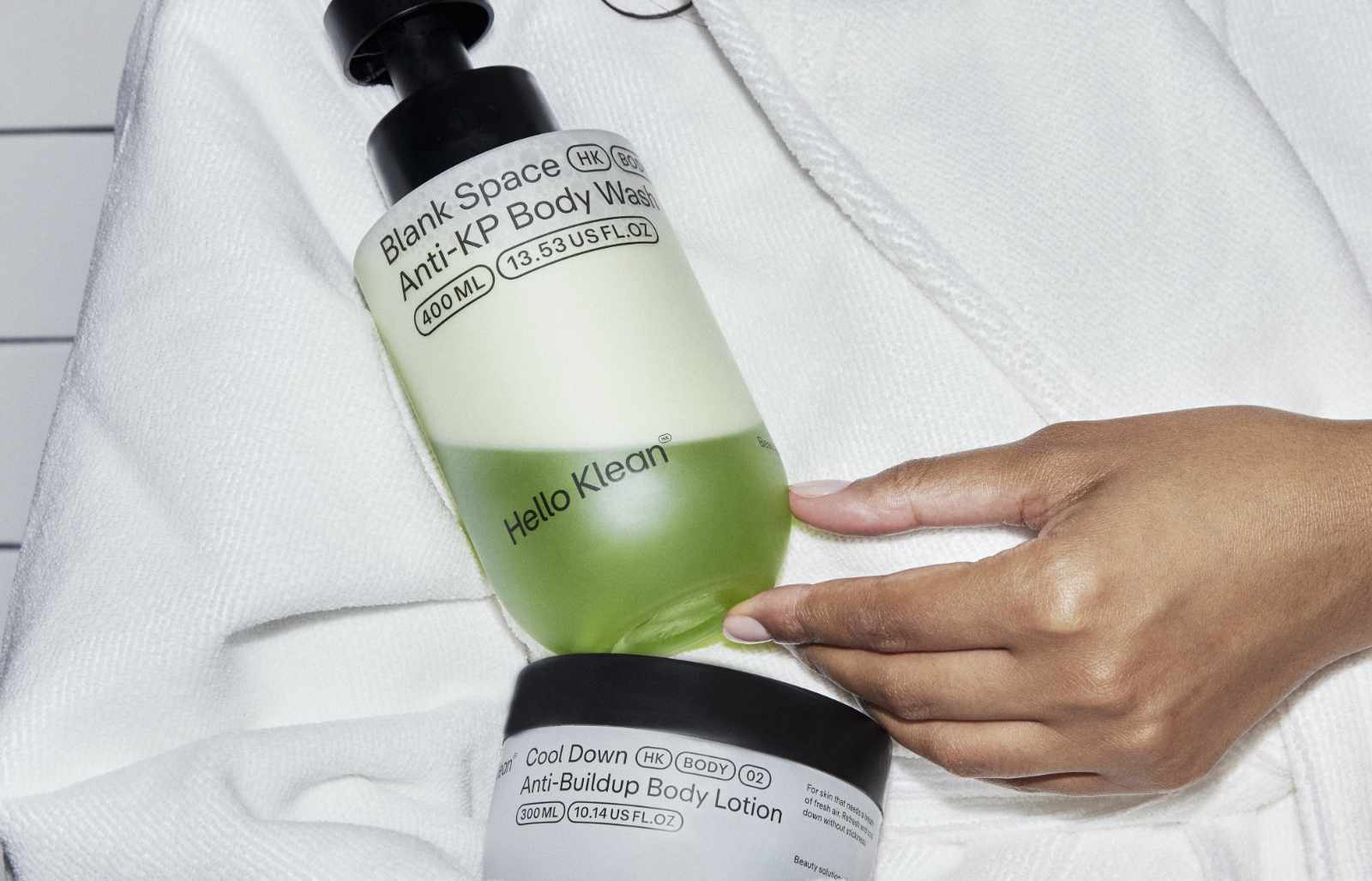
Hard water affects an estimated 85% of U.S. households and commands a comparable footprint across Western Europe — yet until recently, the category generated virtually no prestige beauty revenue. That structural gap is closing fast. London-based Hello Klean posted $14.7 million in revenue for 2025 and is projecting $27 million for 2026, a compound annual growth rate that would embarrass most venture-backed indie brands operating with far larger capital bases. The brand's recent minority investment from Brita — a seven-figure deal representing the German filtration giant's first formal beauty allocation — signals something more consequential than a single funding event. It marks the moment water quality formally migrated from the plumbing aisle into the prestige beauty supply chain.
A White Space with $27M in Forward Revenue
Co-founders Karlee Zhang, formerly of Huda Beauty, and Omer Ozener, former head of product at Zalando, bootstrapped Hello Klean from a $75,000 personal investment to more than one million units sold before accepting outside capital. That trajectory is operationally significant. An 80% subscriber base — built on a deferred-payment trial model that converted 80% of free-filter recipients into paying customers — gives Hello Klean the kind of revenue predictability that traditional retail-dependent beauty brands structurally cannot replicate. For any acquirer or strategic investor conducting due diligence, that subscription architecture represents a defensible moat, not merely a marketing tactic.
Search velocity reinforces the commercial thesis. According to consumer insights firm Spate, hard water-related queries spiked 71.6% year over year across Google, TikTok, and Instagram — a demand signal that typically precedes category institutionalization by 18 to 24 months. Hello Klean is not chasing a trend. It is establishing category infrastructure ahead of the inflection point.
Brita's Strategic Consolidation Play
Brita's investment logic is straightforward and worth parsing carefully. The company is executing a deliberate portfolio reset — repositioning from household filtration utility toward a lifestyle-integrated water optimization platform. Investments across drinking, flavored, and specialty beverage water preceded this move into the shower and bathroom vertical. Hello Klean provides Brita with direct-to-consumer penetration and influencer marketing capabilities the parent company does not possess internally. In M&A terms, this is a capability acquisition as much as a revenue acquisition.
The distribution architecture Hello Klean brings is notably selective: Cult Beauty, Selfridges, Planet Organic, Sephora UK, and Ounass across the GCC — a retail footprint calibrated for prestige positioning rather than mass reach. That restraint is deliberate. Zhang and Ozener made an early strategic decision to frame shower filters as beauty products rather than plumbing accessories, a repositioning informed directly by the Korean market, where filtered showerheads have occupied shelf space in beauty retail for years. Prestige placement followed naturally from that foundational positioning decision.
Premiumization Through Problem Ownership
Hello Klean's brand architecture operates on a principle gaining traction across functional wellness and scalp health: own the problem before you merchandise the solution. The brand's early advertising — geographically targeted messaging around London's notoriously hard water — educated consumers on root cause rather than product features. That educational investment, built without significant paid media budgets, created earned authority in a category where trust determines conversion.
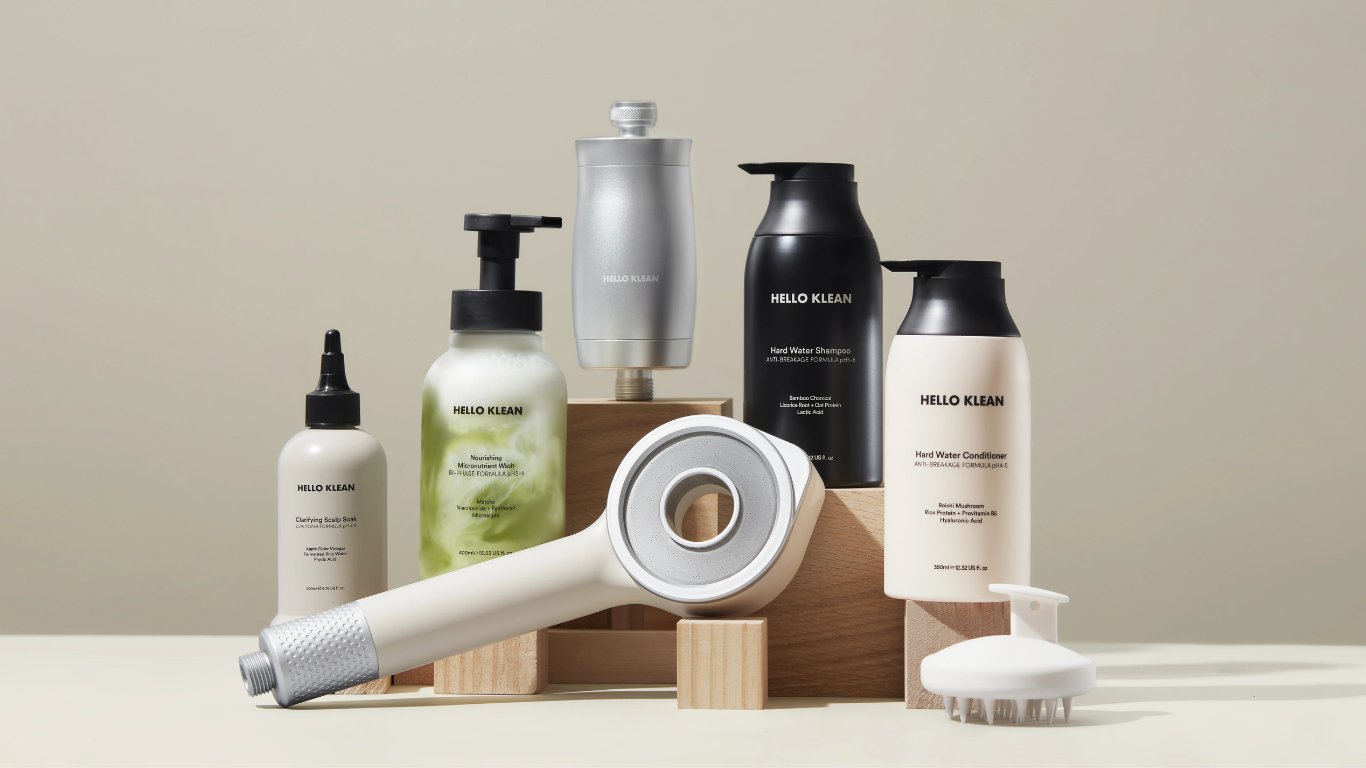
The resulting product ecosystem — shower filters, scalp care, haircare, body care, and hardware — reflects a masstige-to-prestige premiumization strategy. Entry through a functional device creates a recurring consumable relationship; the ancillary product range captures wallet share from consumers already inside the subscription loop. It is a model closer to the razor-and-blade mechanics of skincare device brands than to conventional haircare.
What Comes Next for the Category
The Brita-Hello Klean deal will not be the last transaction in this space. As scalp health continues to command disproportionate attention from both prestige retailers and dermatology-adjacent investors, water quality is the logical upstream variable that haircare brands have largely ignored. Any major haircare conglomerate — Kao, Henkel Beauty Care, Wella Company — operating a professional or retail portfolio has strategic reason to evaluate this category intersection before a better-capitalized competitor does.
Hello Klean's founders have publicly discussed their ideal exit, and the brand's current trajectory — clean unit economics, subscription-led revenue, prestige distribution across UK and GCC markets, and a strategic partner with global retail infrastructure — positions it precisely for the kind of acquisition that reshapes category definitions rather than simply changing ownership. The $27 million 2026 revenue projection is not the headline. The category it is building is.
Martin Jacob
Beauty market analyst covering trends, brands, and distribution shifts.