Advent International Acquires Salt & Stone: Why PE Is Targeting $12B Body Care at DTC Scale

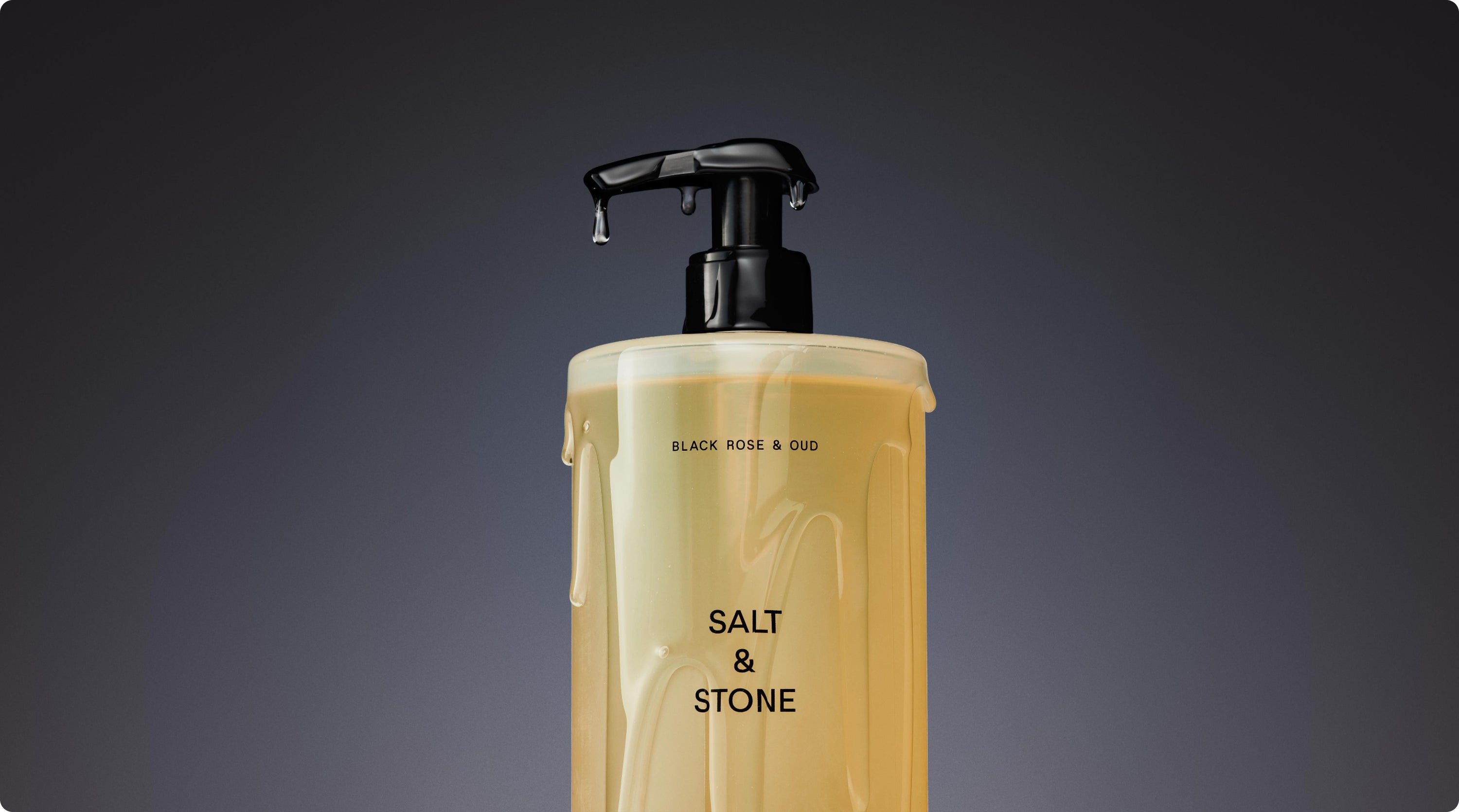
Private equity's tolerance for pure-play DTC has collapsed as acquisition multiples compress and capital efficiency becomes the primary valuation driver. Salt & Stone represents the survivor class—brands that parlayed digital-first customer acquisition into wholesale partnerships that actually enhance unit economics rather than erode them. Founder Nima Jalali's decision to pursue prestige positioning through selective retail expansion rather than mass distribution created the margin profile PE demands: wholesale accounts that function as brand amplifiers while DTC maintains 40%+ of total revenue. This distribution architecture—omnichannel by design, not desperation—separates acquisition targets from the hundreds of DTC brands still seeking product-market fit through Instagram ads alone.
Body Care Premiumization: The Category Private Equity Is Betting On
Advent's move confirms what transaction data has signaled for two years: body care is experiencing the same premiumization trajectory that transformed skincare from 2015-2020. The global body care market reached $68B in 2023, with premium and indie segments capturing disproportionate growth as consumers trade up from legacy CPG brands into formulations that mirror facial skincare standards. Salt & Stone's product positioning—natural deodorants, body washes, and sunscreens formulated with probiotics and niacinamide—directly addresses this premiumization demand while maintaining accessible price points between $18-$32. PE firms recognize that body care offers skincare's margin potential without the same level of market saturation or influencer dependency that now characterizes facial categories.
Strategic Consolidation: Advent's Beauty Portfolio Expansion
This acquisition extends Advent's deliberate build-out of a beauty and personal care platform following its investment in premium oral care brand Hismile and fragrance house Eos. The firm's strategy centers on acquiring category-defining brands with proven retail relationships and clear paths to international expansion—particularly across APAC and MENA markets where body care premiumization is accelerating faster than in saturated Western markets. Salt & Stone's clean ingredient story and gender-neutral branding provide the narrative flexibility required for geographic expansion, while its existing Sephora relationship offers immediate distribution leverage across the retailer's global footprint. Advent's operational approach will likely focus on SKU rationalization, supply chain optimization, and measured international rollout rather than aggressive top-line growth that sacrifices profitability.
Market Implications: What Founders and Investors Should Extract
Salt & Stone's exit validates a specific playbook for DTC brands seeking institutional capital or liquidity events: achieve $20M+ in revenue with balanced channel mix, secure prestige retail partnerships that enhance brand equity, and demonstrate margin discipline that survives wholesale economics. Founders still operating pure DTC models face a bifurcated reality—either scale to $100M+ through performance marketing efficiency that defies industry benchmarks, or execute controlled wholesale expansion that proves retail viability before capital markets demand it. For PE firms and strategics, the deal confirms that body care M&A will intensify as buyers chase the category's favorable growth dynamics and lower competitive intensity compared to oversaturated facial skincare and color cosmetics segments.
Paul Chauveau
Beauty market analyst covering trends, brands, and distribution shifts.