TikTok Shop's $3.8B Beauty Ambition: Why the Unit Economics Are Breaking Brands Before They Scale

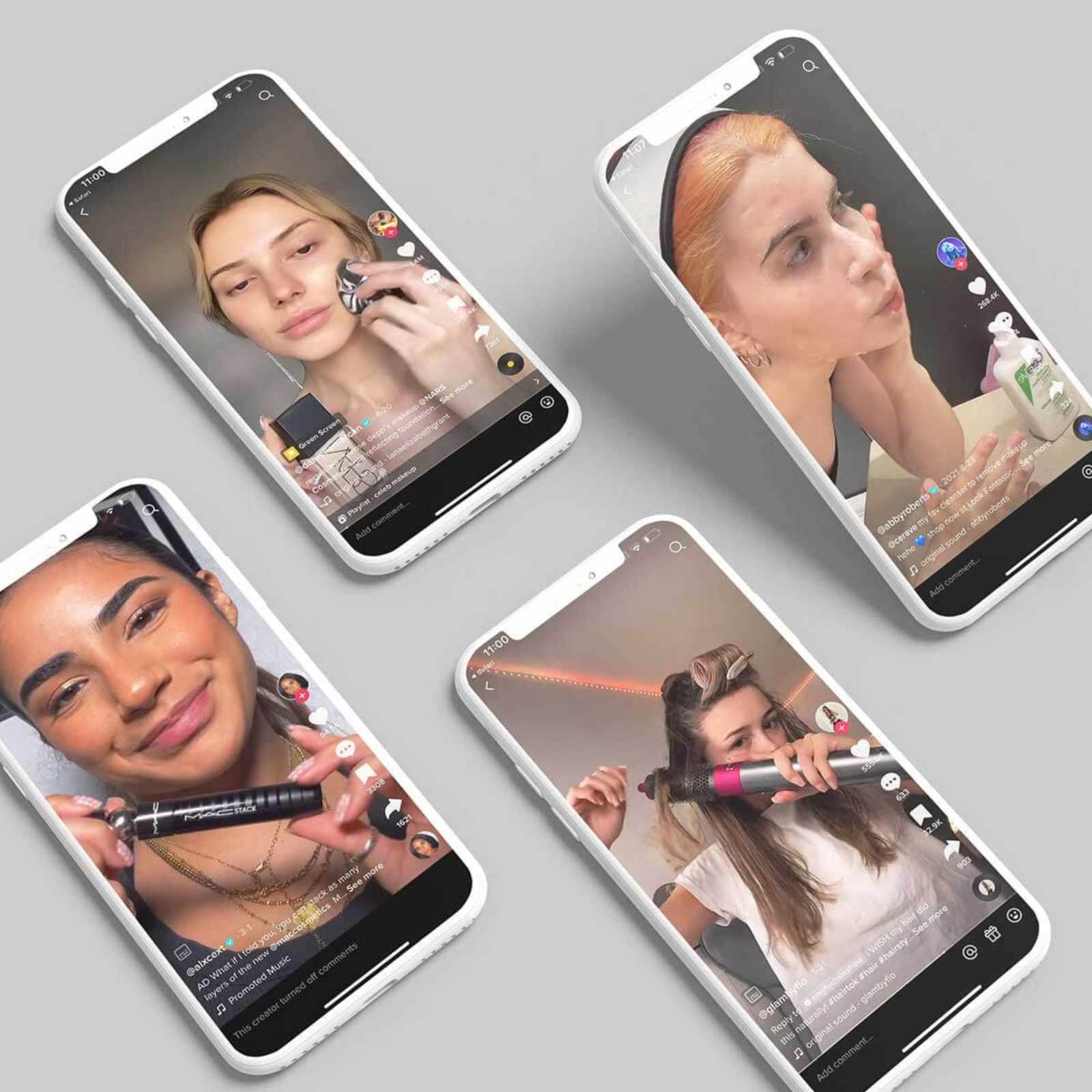
TikTok Shop generated an estimated $3.8 billion in U.S. beauty and personal care GMV in 2025, yet brand-level profitability on the platform remains structurally elusive for the majority of participants. The channel's explosive consumer reach — driven by algorithm-native discovery and frictionless in-stream checkout — has repositioned it as an unavoidable distribution node for any brand pursuing volume at scale. But the underlying economics reveal a more complicated reality: commission structures ranging from 5% to 8%, creator affiliate fees averaging 10%–15% of GMV, and fulfillment costs that compress net margins to single digits before a single dollar of brand-building is accounted for. For brand managers and investors underwriting growth through social commerce, TikTok Shop is increasingly a distribution architecture decision as much as a marketing one.
Commission Compression Is Rewriting the P&L Before Launch
The platform's fee stack is not incidental — it is structural. TikTok Shop's combined take rate, when creator commissions, platform referral fees, and promotional co-investment are aggregated, routinely reaches 25%–30% of gross revenue for beauty brands operating at mid-scale. That figure sits materially above Amazon's blended beauty take rate of approximately 20%–22% and significantly above the traditional specialty retail margin give-up to an Ulta Beauty or Sephora. Brands entering TikTok Shop with gross margins below 65% are, by definition, operating without the headroom to absorb the channel's full cost architecture. The brands achieving positive contribution margins at scale are those with either proprietary hero SKUs at $35 and above or manufacturing cost structures built for velocity — neither of which characterizes the majority of the indie beauty market.
Masstige and Prestige Positioning Break Down Under Viral Velocity
TikTok Shop's discovery engine rewards volume and price accessibility over prestige positioning, creating a structural tension for brands whose equity depends on controlled distribution. A $68 serum that achieves viral velocity on TikTok Shop does not arrive in the consumer's hands with the same brand architecture that justified that price point in a specialty retail environment. Discounting pressure, bundling mechanics, and the platform's Flash Sale infrastructure actively erode the premiumization narrative that most mid-prestige brands have spent years constructing. Several brands that achieved eight-figure TikTok Shop revenue in 2024 subsequently reported measurable price-perception deterioration in their Sephora and Nordstrom channels — a distribution bleed that is difficult to reverse without a deliberate portfolio reset. The channel's democratizing mechanics are, by design, antithetical to prestige brand architecture.
M&A Valuations Are Beginning to Reflect TikTok Shop Dependency Risk
Strategic acquirers and growth equity investors are recalibrating how TikTok Shop revenue is weighted in beauty brand valuations. Revenue concentrated above 30% on a single social commerce platform — particularly one operating under ongoing regulatory scrutiny in the U.S. — is now being haircut in due diligence with increasing consistency. Sources across the investment community indicate that TikTok Shop-heavy revenue is being valued at a 1.5x–2.0x discount relative to comparable omnichannel revenue, reflecting both platform concentration risk and the margin profile described above. For founders approaching Series B or strategic sale conversations in 2025 and 2026, TikTok Shop should be treated as a demand-generation and trial mechanism rather than a primary revenue architecture — a distinction that has direct implications for how growth capital is deployed and how EBITDA is presented to potential acquirers.
The Brands That Survive This Channel Will Build Outside It
The TikTok Shop profitability challenge is ultimately a distribution strategy problem disguised as a marketing one. Brands achieving durable economics on the platform share a common architecture: they use TikTok Shop to acquire customers at a loss-tolerant cost, then migrate those consumers into DTC subscription, retail replenishment, or loyalty ecosystems where LTV can be fully captured. That sequenced model requires sophistication in CRM infrastructure and channel attribution that most indie brands at the $5M–$25M revenue stage have not yet built. As the platform matures and creator affiliate rates continue upward pressure, the brands that will emerge with defensible margin structures are those treating TikTok Shop as a top-of-funnel acquisition channel — not a P&L center. The next 18 months will determine which brands built a business on TikTok Shop and which ones built a business through it.
---
BeautyScale tracks distribution economics, channel strategy, and M&A activity across the global beauty industry. Contact our intelligence team for custom data and advisory services.
Rami Al Ariss
Beauty market analyst covering trends, brands, and distribution shifts.