The Peptide Portfolio Reset: How a $1B+ Ingredient Wave Is Redrawing Beauty's Distribution Map
**"Peptide therapy" search volume surged 281% on Google and 459% on TikTok year-over-year — and the revenue implications for beauty's distribution architecture are only beginning to materialize.**
The Peptide Portfolio Reset: How a $1B+ Ingredient Wave Is Redrawing Beauty's Distribution Map
"Peptide therapy" search volume surged 281% on Google and 459% on TikTok year-over-year — and the revenue implications for beauty's distribution architecture are only beginning to materialize.
The signal was already embedded in the 2023 Unilever acquisition of K-18 for more than $1 billion. What looked like a hair-repair transaction was, in retrospect, a prestige positioning play on a single, education-driven peptide narrative. Three years later, that acquisition thesis has compounded across every adjacent category — skincare, haircare, supplements, body — and the strategic question for beauty operators is no longer whether peptides will dominate formulation pipelines, but which distribution models will capture the margin premium that follows.
---
From Biohacker Protocol to Mass Channel Pressure
The cultural infrastructure driving this cycle differs materially from prior ingredient surges. Peptides arrived in mass consumer consciousness not through traditional beauty marketing but through parallel health verticals: GLP-1 therapeutics now widely available after three years of supply constraint, injectable research peptides like BPC-157 migrating from longevity clinics into mainstream wellness discourse, and a regulatory environment at the FDA that is actively loosening access. Spate data indicates that "peptide therapy" queries are co-clustering with NAD (up 601% YoY), GLP-1 (up 177%), and anti-aging (up 162%) — a convergence that positions topical peptide SKUs as the accessible consumer on-ramp to a broader longevity spending thesis estimated to exceed $600 billion globally by 2030.
For retail buyers and brand strategists, this convergence matters because it signals premiumization pressure across multiple price tiers simultaneously. When a consumer begins researching injectable peptides at $300–$500 per protocol, a $68 topical serum — like YSE Beauty's Xtreme Glow Dewy Peptide Plumping Serum, which sold out at Sephora on launch week and exceeded its four-week unit forecast by 10% — reads as an accessible entry point, not a luxury purchase. That psychological repricing is a brand-builder's leverage point, and incumbents sitting on undifferentiated peptide licensing arrangements should treat it as a competitive threat.
---
The Ingredient Supply Chain Is Getting Crowded, Fast
Upstream from retail, ingredient manufacturers are flooding formulation pipelines with licensable peptide complexes — combinations like Tripeptide-1, Hexapeptide-9, and hyaluronic acid that offer both immediate cosmetic payoff and long-term structural claims. For emerging brands, this creates a low-barrier entry pathway but also a commoditization ceiling. Licensed ingredients generate no IP moat, no exclusivity window, and limited defensibility once a category leader — a Sephora-distributed brand, a P&G-backed haircare line — drops a comparable formula at scale.
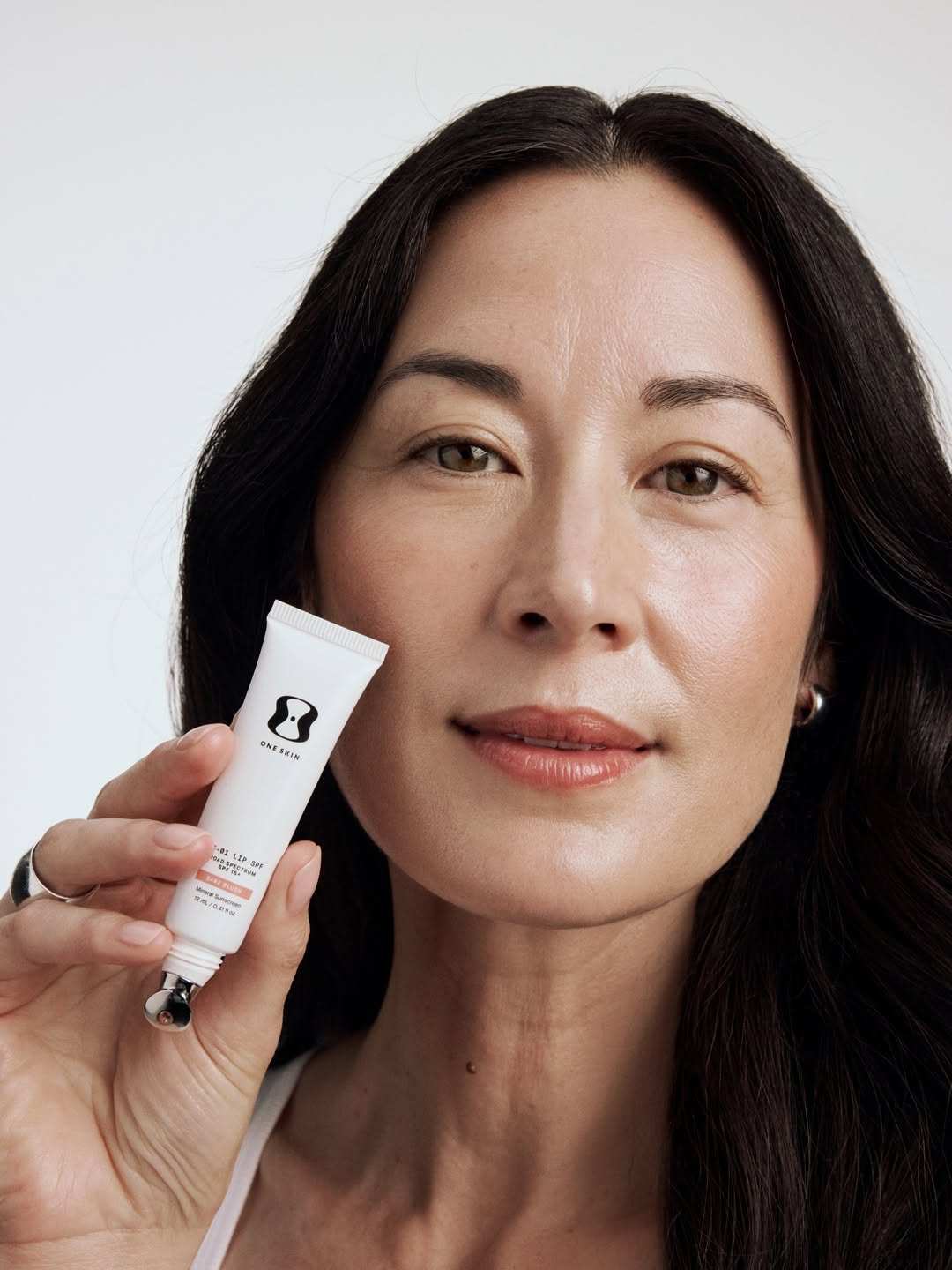
The differentiated play, as demonstrated by OneSkin's OS-01 peptide platform and Auro Wellness's patented transdermal delivery system, requires multi-million dollar R&D investment but yields proprietary positioning and clinical validation that survives channel expansion. OneSkin, backed by Unilever Ventures and Prelude Growth Partners, currently prices its bestselling face moisturizer at $100 — a masstige ceiling that leaves room for both trade-up and broadened distribution without sacrificing brand integrity. That's the portfolio architecture acquirers will pay for.
---
Distribution Strategy Is Now the Differentiator
Where peptide brands sell is becoming as strategically consequential as what they sell. Auro Wellness's physician-channel distribution — currently split between doctor offices and DTC — represents a defensible moat that creates consumer trust before any mass retail introduction. Mendora Health, launching oral collagen peptides off the credibility of a surgically-trained founder with established digital reach, is building a similar authority-first architecture before scaling horizontally. These are not small-batch indie plays; they are staged distribution models designed to support eventual masstige crossover or strategic acquisition.
By contrast, brands like Neurogan Health, launching copper peptide body care with 12-week clinical data showing a 32.8% reduction in wrinkle depth, are moving directly into body care — a category with lower consumer education requirements and wider retail access. The risk is margin compression at scale; the opportunity is first-mover volume in a subcategory that prestige players have not yet prioritized.
---
The M&A Window Is Opening
The next 18 months represent a concentrated acquisition opportunity in peptide-native brands — particularly those with proprietary delivery systems, physician-channel credibility, or clinical substantiation that can survive FTC scrutiny. Strategic acquirers with existing prestige skincare or wellness portfolios will find peptide brands increasingly attractive as portfolio reset vehicles: they carry the longevity halo, command premium price architecture, and travel well across Sephora, specialty wellness retail, and DTC simultaneously.
The brands worth watching are not the ones riding the search trend. They are the ones that own the science behind it.