Textured Haircare Crosses $531 Million: What Mayura's Launch Signals for Prestige Positioning and Distribution Strategy
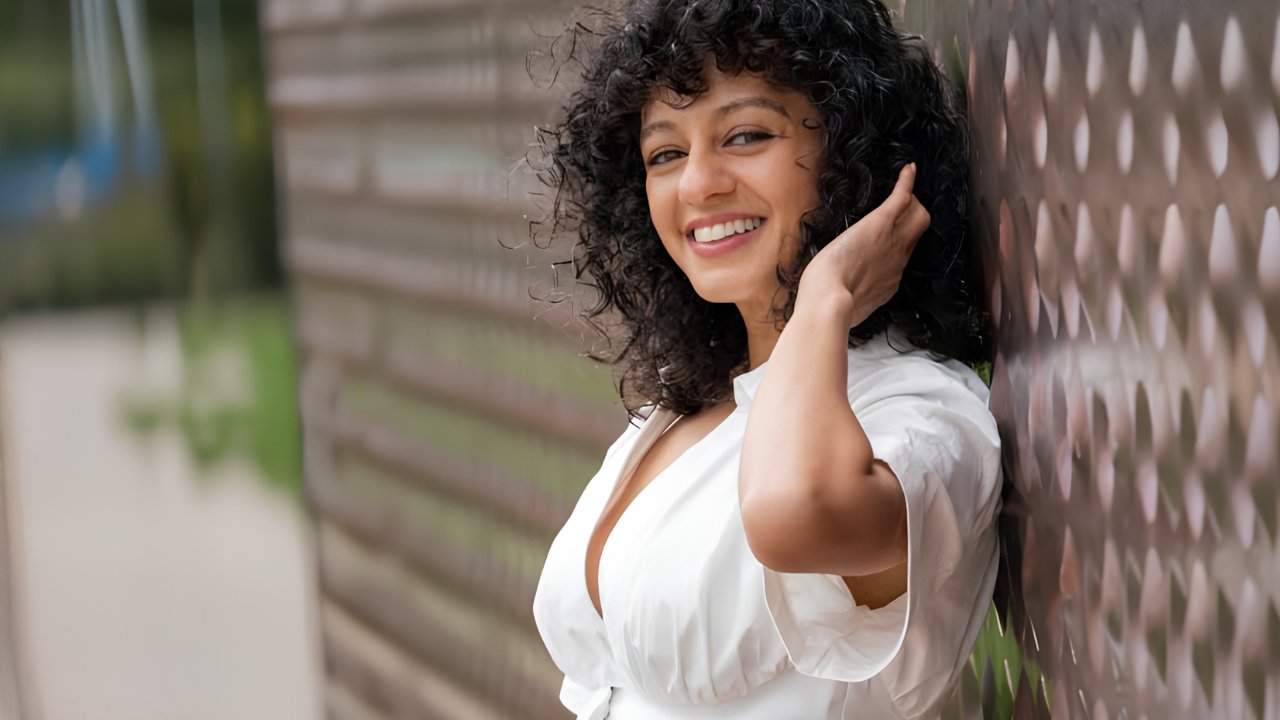
Textured haircare generated $531.8 million in combined retail sales across dedicated and mainstream brand segments in the 52 weeks ended August 8, 2026, according to NielsenIQ data, and the category is accelerating in two structurally different directions simultaneously. Dedicated textured haircare brands grew 5.1% to $258.6 million, while mainstream portfolio entrants expanded 13.2% to $273.2 million, a spread that tells a precise strategic story. The gap between those two growth rates is not a coincidence. It reflects the ongoing premiumization pressure reshaping how retailers, investors, and founders think about distribution architecture in a category once treated as a niche adjacency. Into this environment, founder Priya Anand has introduced Mayura, a California-manufactured, Italy-accessorized textured haircare brand built on a prestige positioning thesis rather than a volume play.
The Distribution Architecture Question Mayura Must Answer First
Mayura launches direct-to-consumer through its own website, with a stated near-term plan to seed the Hair Oil Elixir into San Francisco curly hair salons. At a $58 price point for the elixir and $250 for the Signature Silk Scarf, the brand occupies a prestige tier that demands selective distribution discipline. That is a defensible opening posture. Salon seeding serves a dual function: it builds category credibility with professional gatekeepers while deferring the margin compression that accompanies premature mass-channel placement. Brands that collapsed their prestige positioning by entering Ulta Beauty or Target before establishing brand equity rarely recover the narrative. Mayura's restraint on this front is strategically coherent, even if it limits near-term revenue velocity.
The more consequential question is whether Mayura can convert salon trial into Sephora-ready brand equity within 18 to 24 months. The number of textured haircare brands at Sephora US rose 6.2% in the first half of 2026 alone, per Trendier AI data, and frizz care now accounts for 30.1% of tracked SKUs at that retailer versus 11.5% for curl care specifically. That ratio creates a positioning window for a brand like Mayura, which explicitly declines the frizz-correction framing in favor of a celebration narrative, to occupy differentiated shelf real estate.
Prestige Positioning in a Masstige-Saturated Competitive Set
Mayura enters a category with established mid-market incumbents including Curlsmith, Rizos Curls, and Ouidad, as well as celebrity-backed entrants like Pattern Beauty and Cécred. Most of this competitive set operates in a masstige corridor, priced to capture both Sephora and Ulta Beauty shoppers without fully committing to prestige tier execution. Mayura's decision to manufacture formulas in California and accessories in Como, Italy, while financing entirely through personal capital, positions it closer to the emerging prestige naturals segment than to masstige. That is a less crowded lane, but it carries higher unit economics requirements and a narrower path to the retail volume thresholds most prestige beauty buyers require before committing to shelf placement.

Anand's journalism background, specifically her tenure at Bloomberg and The Information, gives Mayura an unusually narrative-disciplined founding story. The brand name references the Sanskrit word for peacock, the product packaging features a reusable glass vessel, and the tagline, "You are a work of art," reinforces a cultural positioning that most haircare brands in this category have not attempted at launch. That coherence between brand identity and product design is precisely what acquirers in the M&A pipeline evaluate when assessing whether an indie brand can scale without losing its core consumer relationship.
The M&A Calculus for a Brand at This Stage
Mayura is pre-institutional capital by design. Anand has stated publicly that she is using personal savings to maintain product-market fit discipline before introducing outside investment. That posture is increasingly common among founders who watched the 2021 to 2023 indie beauty investment cycle over-capitalize brands before they had earned the right to scale. For strategic acquirers surveying the textured haircare segment, a founder-funded brand with a clear prestige thesis, controlled distribution, and a media property (the "We Are Spiraling" podcast) functioning as an owned audience asset represents a structurally attractive acquisition target at the Series A or Series B threshold.
The Forward Signal for Textured Haircare Investment
The 13.2% growth rate among mainstream brands entering textured haircare is the most important data point in the category right now. It signals that conglomerates including Unilever, L'Oreal, and Henkel are treating textured hair as a strategic portfolio reset priority rather than an incremental extension. That dynamic historically compresses the independent brand window. Mayura's optimal trajectory involves establishing prestige retail presence and community authority within 24 months, before the mainstream portfolio brands absorb enough shelf space and marketing spend to close the positioning gap entirely.
This article references and builds on original reporting by Natasha Marsh for Beauty Independent. Read the original piece here: https://www.beautyindependent.com/mayura-priya-anand-change-conversation-curly-hair/. BeautyScale is a commercial agency; our editorial notes are commentary on industry reporting.
Josette Assaf
Beauty market analyst covering trends, brands, and distribution shifts.