Lisa Eldridge Eyes U.S. Distribution Scale: A $38 Glow Balm and a SoHo Pop-Up Signal a Prestige Positioning Play Worth Watching
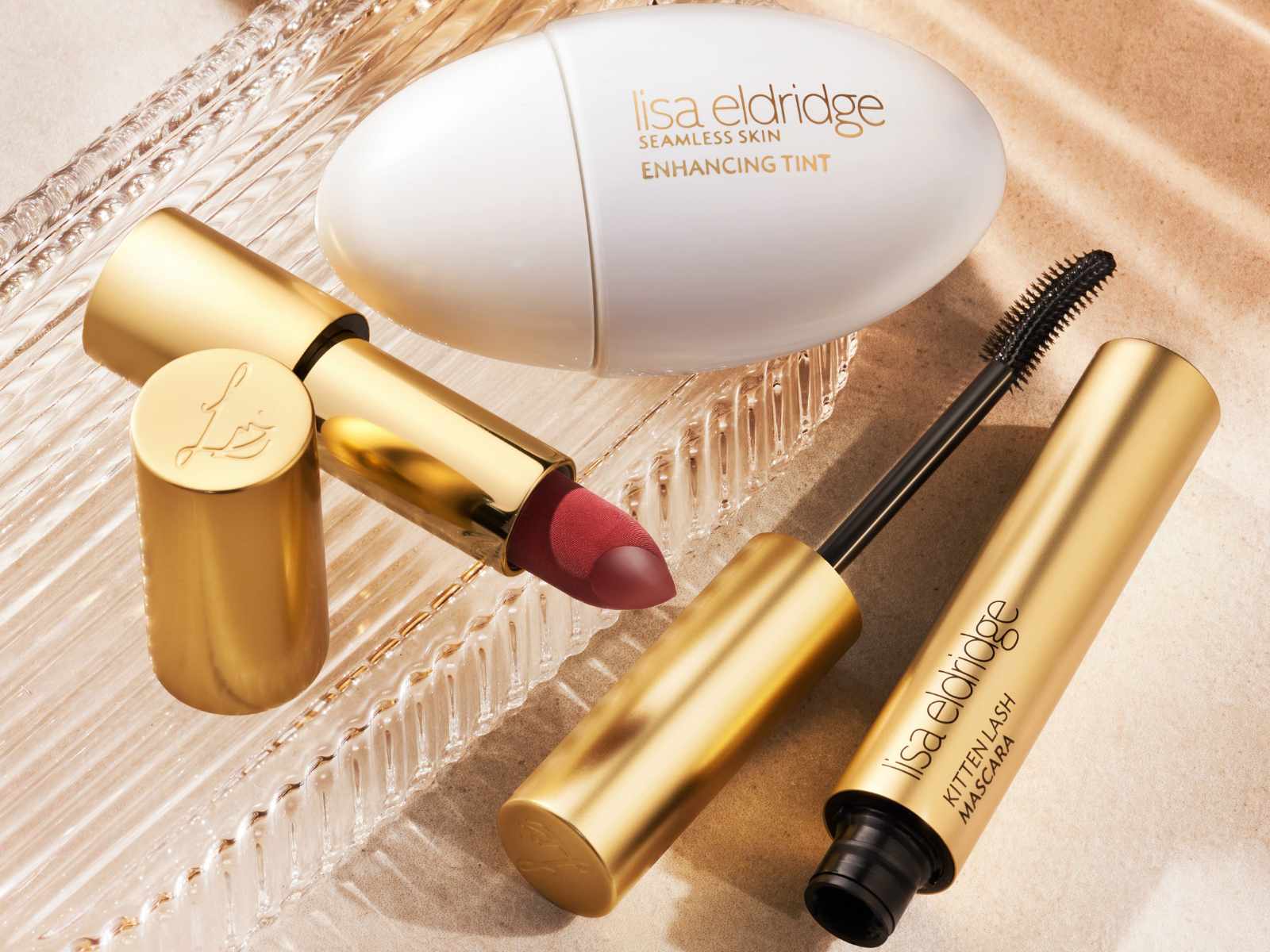
The U.S. prestige beauty market generated $14.6 billion in retail sales in 2023, according to Circana data, with makeup reclaiming category momentum after two years of fragrance and skincare dominance. Against that backdrop, Lisa Eldridge's debut brick-and-mortar presence in the U.S. — a 785-square-foot pop-up at 119 Spring Street in SoHo — reads less as a seasonal marketing exercise and more as a deliberate distribution architecture test ahead of a formal retail partnership announcement. The brand's founder confirmed as much: a U.S. wholesale arrangement is in active negotiation. For brand managers and investors tracking founder-led prestige entrants, the strategic signals embedded in this activation are worth parsing carefully.
The Direct-to-Consumer Ceiling Is a Known Constraint
Lisa Eldridge, the brand, has operated exclusively direct-to-consumer in the U.S. market since its 2018 launch — a model that delivered early efficiency but carries structural limits at scale. American consumers represent just over 50 percent of the brand's existing customer base, a figure that underscores both the depth of Eldridge's digital reach and the ceiling that DTC-only distribution imposes on volume growth. Conversion without physical touchpoints plateaus; average order values compress without discovery adjacencies. The SoHo pop-up directly addresses the trial gap — makeup bookings, walk-in services, and tactile product interaction function as conversion infrastructure that no editorial content strategy fully replicates.
The collection — spanning lipstick shades, glosses, and a $38 pearlescent glow balm now confirmed as a permanent SKU addition — demonstrates the brand's capacity to execute licensed IP partnerships with estate-level rights holders.
U.K. Distribution Architecture Provides the Strategic Template
In the U.K., Lisa Eldridge has executed a measured but deliberate wholesale rollout, entering Space NK, Selfridges, and Liberty London — a retailer trifecta that maps almost perfectly onto the prestige positioning tier the brand occupies. That distribution architecture is instructive: each account serves a distinct consumer profile while collectively reinforcing the brand's premium equity rather than diluting it. The U.S. equivalent of that retail stack — think Bluemercury, Neiman Marcus, or a curated Sephora adjacency — would represent a significant revenue unlock without compromising the brand's deliberate distance from masstige positioning. Eldridge's stated preference to "do everything slowly" is not hesitation; it is brand discipline that protects long-term gross margin integrity.
The Marilyn Monroe Collection Is a Licensing Proof-of-Concept
The brand's limited-edition collaboration with the Estate of Marilyn Monroe, timed to what would have been Monroe's 100th birthday, is operationally significant beyond its cultural cache. The collection — spanning lipstick shades, glosses, and a $38 pearlescent glow balm now confirmed as a permanent SKU addition — demonstrates the brand's capacity to execute licensed IP partnerships with estate-level rights holders. That capability is an underappreciated asset in the context of a potential M&A trajectory. Founder-led prestige brands with proven licensing architecture, a loyalist DTC base, and a documented appetite for experiential retail command stronger acquisition multiples than pure e-commerce plays. The glow balm's permanentization post-launch is a textbook demand validation move; it converts limited-edition halo into recurring revenue line.
, Lisa Eldridge has executed a measured but deliberate wholesale rollout, entering Space NK, Selfridges, and Liberty London — a retailer trifecta that maps almost perfectly onto the prestige positioning tier the brand occupies.
What Comes Next: Retail Partnership or Strategic Consolidation?
Eldridge's confirmation that a U.S. retail partner has been identified positions the brand at an inflection point that the broader prestige market is watching with interest. The independent founder-led segment — brands built on deep expertise, editorial credibility, and community loyalty rather than paid media scale — is precisely where strategic acquirers including LVMH Beauty, Puig, and Walgreens Boots Alliance's premium portfolio arm have been applying M&A attention through 2023 and into 2024. A formalized U.S. wholesale arrangement would mark the brand's transition from cult DTC property to multi-channel prestige contender, materially expanding its addressable revenue base and rendering it far more legible to institutional capital.
The SoHo pop-up, viewed through a distribution strategy lens, is not a summer activation. It is a proof-of-concept for the service model, the retail environment, and the consumer experience that a permanent U.S. partner would be acquiring access to. Eldridge's background — creative director tenures at Shiseido, Lancôme, and Boots No7 — gives her an unusually clear operational vocabulary for what a wholesale partnership structurally demands. The brand that emerges from a U.S. retail launch in 2025 or 2026 will look very different from the DTC-first label that opened its first American door in a SoHo pop-up. The question for potential partners is whether they move before that transition is fully priced in.