Innerskin’s $15M Expansion Signals a New Era for Clinical Beauty

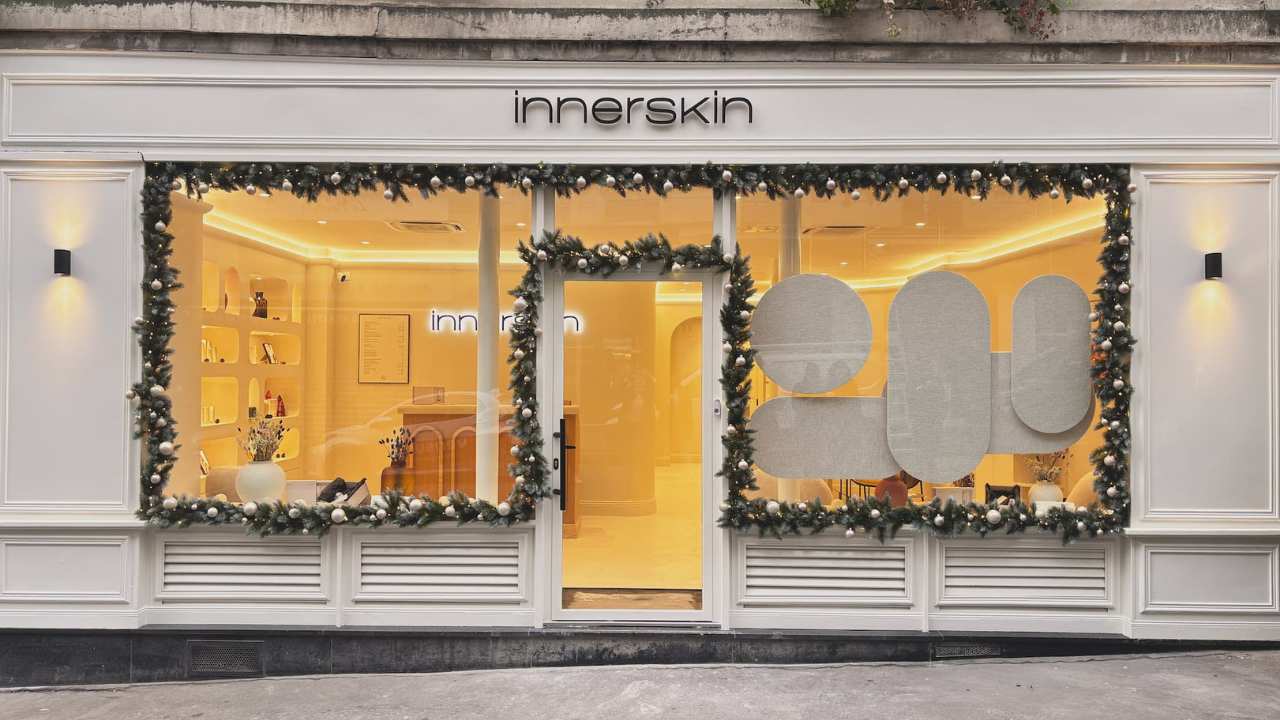
The global medical aesthetics market is on course to surpass $28 billion by 2030, compounding at a CAGR exceeding 12 percent, and the brands capturing outsized value are not the ones scaling wholesale. Innerskin's $15M expansion round reframes what clinical beauty distribution looks like at growth stage: tighter channel architecture, practitioner-led validation, and a deliberate refusal to dilute brand equity through mass retail. The raise is less a funding event than a strategic declaration, one that positions Innerskin at the intersection of prestige positioning and clinical credibility at precisely the moment category incumbents are losing grip on both.
Distribution Architecture Is the Competitive Moat
The default growth playbook for beauty brands, wholesale expansion into multi-brand retail, is losing its logic in the clinical segment. Innerskin's capital deployment prioritizes practitioner partnerships, aesthetic clinic networks, and direct-to-professional channels over shelf placement. This architecture functions as both a revenue engine and a brand protection mechanism. When a product enters a consumer's regimen through a dermatologist or aesthetician recommendation, the perceived authority of that recommendation transfers to the product itself, compressing the need for paid acquisition and sustaining average selling prices that mass retail would immediately compress.
The model echoes dynamics playing out across APAC and the GCC, where medical tourism infrastructure and a growing concentration of accredited aesthetic clinics have created highly receptive distribution corridors for clinically positioned brands. Markets in these regions often leapfrog the masstige phase entirely, moving from drugstore purchasing directly into clinic-adjacent consumption. Brands with practitioner-first distribution architecture arrive already calibrated for that demand profile.
Premiumization Requires Channel Discipline
Premiumization in beauty is not a pricing decision. It is a distribution decision made upstream of the consumer touchpoint. Brands that attempt to hold a prestige positioning while simultaneously expanding into discounted or high-velocity retail channels consistently face the same outcome: eroded ASP, weakened brand trust among the practitioner community, and accelerated commoditization. Innerskin's $15M is reportedly structured to avoid exactly this trap, with a significant allocation directed toward clinic-embedded programming, professional education, and white-glove account management rather than broad-base sales infrastructure.
The strategic contrast with masstige brands is instructive. Masstige operates on volume logic: wide distribution offsets thin margin, and brand story is communicated primarily through packaging and social media rather than practitioner endorsement. Clinical beauty operates on influence logic: a smaller, credentialed distribution footprint generates disproportionate consumer trust and, critically, disproportionate pricing power. Innerskin is building for the second model, and the capital structure of a $15M round is appropriately sized for the tempo of that build.

Portfolio Reset Dynamics and M&A Implications
Innerskin's raise arrives at a moment when larger strategic acquirers are actively reconsidering their clinical beauty exposure. Several major conglomerates have identified medical aesthetics as an underpenetrated growth vector within their existing portfolios. The pattern in recent M&A activity points toward acquirers prioritizing brands with defensible practitioner relationships over brands with broad but shallow retail footprints. A brand demonstrating clean distribution architecture, high practitioner retention, and controlled channel mix is structurally more attractive in a diligence process than one carrying the complexity of omnichannel fragmentation.
For Innerskin, the $15M round buys something beyond runway. It buys the time and operational capacity to deepen those practitioner relationships to a degree that creates genuine lock-in, the kind of account stickiness that appears as durable revenue in an acquisition model. Founders navigating this growth stage often face pressure to expand distribution faster than their brand positioning can support. The discipline embedded in Innerskin's reported use of proceeds suggests an awareness that speed of distribution is not the relevant variable at this stage of category development.
What Clinical Beauty Founders Should Watch in the Next 24 Months
The Innerskin raise is a signal, not an outlier. Investor appetite for clinical beauty is intensifying precisely because the category combines the margin profile of prestige beauty with the recurring-revenue characteristics of healthcare-adjacent services. Brands positioned within this corridor should treat distribution architecture as a board-level conversation, not a commercial operations detail.
The actionable imperative is channel auditing: mapping every existing distribution relationship against its impact on practitioner perception, ASP sustainability, and acquirer readiness. Brands that enter the next 24 months with a disciplined, practitioner-anchored distribution footprint will be materially better positioned, whether the exit is strategic acquisition, a secondary raise at a higher multiple, or continued independent scaling. Innerskin's $15M is the clearest recent proof point that the market agrees.
This article references and builds on original reporting by Sophie Smith for The Industry Beauty. Read the original piece here: https://theindustry.beauty/innerskin-opens-first-international-skin-clinic-in-notting-hill/. BeautyScale is a commercial agency; our editorial notes are commentary on industry reporting.
Nya Ravel
Beauty market analyst covering trends, brands, and distribution shifts.