Influxious Lands at Sephora: How a $9.3B Fragrance Market Is Minting Its Next Prestige Incumbents

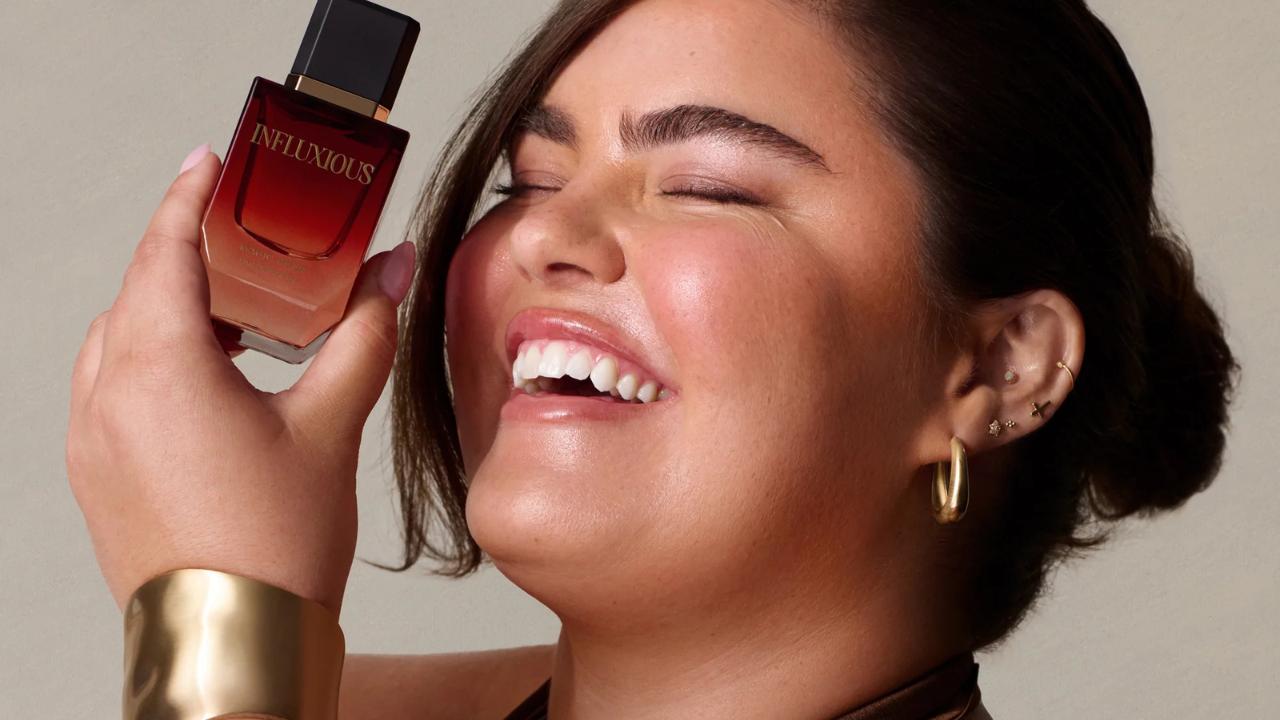
The global prestige fragrance market is projected to reach $9.3 billion by 2028, expanding at a CAGR of 6.1 percent, and Sephora's distribution architecture is increasingly functioning as the primary launchpad for the brands most likely to capture that growth. The July 2026 exclusive launch of Influxious, the fragrance house founded by Nigerian-American perfumer and digital authority Funmi Monet, is not simply a creator-to-founder story. It is a case study in deliberate channel strategy, retailer-backed brand incubation, and the structural conditions that now allow independently owned fragrance labels to enter prestige retail without legacy wholesale infrastructure or conglomerate backing.
Sephora's Accelerate Pipeline Is Functioning as a Mergers and Acquisitions Feeder System
The Sephora Accelerate program was designed as an incubation mechanism, but its strategic downstream value is becoming clearer with each cohort. Brands that complete the program arrive on shelf with retail-validated positioning, an established merchant relationship, and consumer data generated through Sephora's own ecosystem. For investors conducting due diligence, that combination compresses risk materially. Influxious followed a three-stage progression: creator within Sephora Squad, mentor, then accelerate participant, with each phase deepening operational and commercial alignment with the retailer before a single unit moved. That sequencing is not accidental. It reflects a distribution architecture built for durability rather than speed-to-shelf.
Emotion-Led Positioning Signals a Deliberate Play in the Premiumization Gap
Funmi Monet's founding thesis, rooted in her background as a therapist and formalized through nearly 600,000 followers built on PerfumeTok, centers on emotional utility rather than note construction. The four-SKU launch portfolio, anchored by ingredients including Nigerian ginger, zobo, frankincense, and shea butter, targets a consumer segment currently underserved by both mass fragrance and the established prestige houses. That segment sits precisely in the premiumization corridor where brands like Dedcool and Phlur have already demonstrated strong velocity at Sephora's price architecture. Influxious occupies a similar strategic register but introduces cultural specificity as a differentiating vector, a positioning move that the major LVMH and Coty-owned fragrance portfolios have been structurally slow to replicate.
A Four-SKU Debut Is a Portfolio Reset Waiting to Happen
Launching with four fragrances, Gold Standard, Well Loved, High Life, and Magic Hour, Influxious enters Sephora with a tightly edited assortment calibrated for discoverability rather than breadth. This is sound commercial logic. Fragrance launches that debut with ten-plus SKUs frequently struggle with retail-floor real estate allocation and dilute the storytelling required for prestige positioning at shelf level. The four-SKU structure allows Influxious to generate category velocity data across distinct olfactive profiles (spicy caramel, gourmand, floral musk, and fruity) before any portfolio expansion decision. Monet has already indicated that additional scents are planned. For brand managers and retail buyers, that signals a phased portfolio reset strategy rather than a one-time launch event.
Distribution Exclusivity at Launch Protects Margin and Brand Architecture
The decision to restrict initial availability to Sephora.com and influxious.co carries significant strategic weight. Broad multi-retailer distribution in the fragrance category, particularly at launch, historically compresses brand equity and creates gray-market pricing pressure within the first twelve months. Exclusivity with Sephora, a retailer whose positioning sits firmly in prestige rather than masstige, establishes the brand's price-tier identity before any wholesale expansion conversation begins. That matters considerably if Influxious intends to pursue strategic investment or M&A interest from fragrance holding companies in the medium term. Acquirers in the fragrance sector, including Puig, Inter Parfums, and Elizabeth Arden parent Revlon International, consistently assign valuation premiums to brands that have maintained clean distribution discipline in early-stage retail partnerships.
The Forward View: Creator Equity Is Becoming a Strategic Asset Class
The Influxious launch is one of several signals in 2025 and 2026 indicating that fragrance is the category where creator-to-founder transitions are achieving the fastest retail credibility. Digital community size alone does not explain Sephora's selection calculus. What separates Monet's trajectory is the structured progression through Sephora's own brand development infrastructure, which functionally transforms creator equity into institutional retail positioning. As GCC and APAC fragrance consumption continues to accelerate, particularly for brands with non-Western olfactive heritage, the addressable market for Influxious extends well beyond the U.S. prestige channel. The brands that establish exclusivity and prestige positioning domestically before pursuing international distribution architecture will be better positioned to command the margin structures those markets support. Influxious, at this stage, is building precisely that foundation.
This article references and builds on original reporting by Akili King for essence.com. Read the original piece here: https://www.essence.com/beauty/funmi-monet-influxious-sephora-launch/. BeautyScale is a commercial agency; our editorial notes are commentary on industry reporting.
Nya Ravel
Beauty market analyst covering trends, brands, and distribution shifts.