From Supplements to Scent: How The Nue Co.'s Ulta Bet Is Rewriting a $5.9B Category Playbook

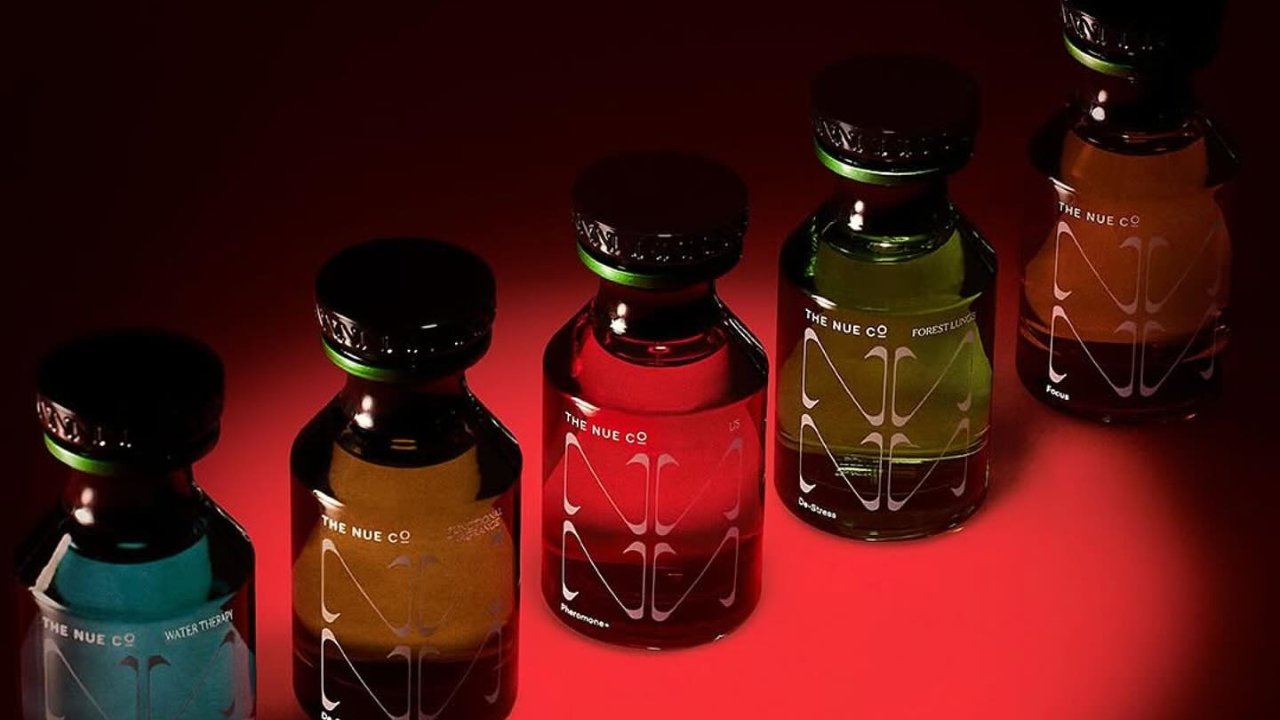
U.S. prestige fragrance sales reached $5.9 billion through Q3 2025, according to Circana, and the brands capturing disproportionate share are not the legacy maisons. They are founder-led, wellness-adjacent, and building distribution architecture that legacy players structurally cannot replicate. The Nue Co.'s expansion into Ulta Beauty is the clearest proof of concept the market has produced this cycle: a brand that entered the conversation as a functional supplement disruptor is now repositioning its scent portfolio as a prestige wellness proposition inside the most strategically valuable mass-prestige retailer in the U.S. The implications reach well beyond a single brand's channel move.
Ulta as a Prestige Positioning Tool, Not a Volume Play
Retail distribution decisions communicate brand equity before the consumer reads a single product descriptor. For The Nue Co., the Ulta placement is not a volume capture strategy. It is a prestige positioning signal directed at a specific retail demographic: the wellness-fluent beauty consumer who shops prestige adjacently and treats fragrance as a functional category, not a luxury indulgence.
Ulta's Sparked shop-in-shop concept and its evolving fragrance floor have become the proving ground for this exact consumer thesis. Brands that land here with a coherent sensorial narrative gain credential without the financial overhead of standalone retail or the margin compression of department store wholesale. For The Nue Co., which built its equity on ingredient transparency and clinical wellness language, the channel fit is architecturally sound.
The Portfolio Reset Behind the Scent Pivot
The Nue Co. launched into the U.S. market as a supplement and topical brand. Its early positioning centered on the gut-skin axis, stress physiology, and a clinical directness that separated it from the aromatherapy-adjacent wellness brands crowding DTC channels. The pivot toward fragrance as a lead category represents a meaningful portfolio reset, one that reorients the brand's retail identity without abandoning its functional wellness thesis.
This is a deliberate premiumization move. Fragrance carries higher average unit retail, stronger repeat purchase behavior, and greater gifting occasion elasticity than supplements. For a brand with The Nue Co.'s existing consumer trust and editorial credibility, extending into scent allows it to capture a higher-margin revenue stream while deepening lifestyle brand status. The strategic logic is clear: supplements built the audience, scent will monetize it at scale.
Why the Legacy Maisons Cannot Replicate This Architecture
The $5.9 billion category is not growing uniformly. Growth is concentrating in the prestige indie segment, driven by wellness positioning, ingredient storytelling, and founder visibility in earned media. Legacy fragrance houses hold the advantage in olfactory heritage, global supply chain, and retail shelf dominance. They do not hold the advantage in agility, cultural proximity to the wellness consumer, or the kind of founder-driven community that converts social trust into retail trial.
The Nue Co. founder Jules Miller has been a consistent and credible voice across the platforms where this consumer makes discovery decisions. That founder architecture is genuinely difficult for a LVMH subsidiary or Coty-distributed maison to manufacture. The distribution bet at Ulta is only executable because the brand equity was built through channels that legacy players structurally underinvested in during the same period. This is not a story about a small brand getting lucky with a retail deal. It is a story about a brand that engineered its own distribution leverage over several years.
The Forward Position: Category Convergence Is the Next M&A Signal
For brand managers and investors tracking the fragrance category, The Nue Co.'s Ulta trajectory surfaces a pattern worth underwriting. Wellness brands with established consumer trust, clinical brand language, and DTC-proven repeat rates are the most viable entrants into prestige fragrance. The category's growth is being written by exactly this profile.
Strategic consolidation in the broader beauty sector has historically followed proof-of-concept retail performance. A brand that demonstrates sustainable sell-through in Ulta's prestige fragrance environment, against legacy competitors with deeper wholesale infrastructure, becomes a compelling acquisition candidate for any strategic buyer seeking wellness fragrance exposure without the time cost of building brand equity from zero.
The actionable read for industry professionals is direct: track wellness brands currently operating in adjacent beauty categories with fragrance SKUs in development or early launch. The premiumization of functional scent is not at peak. The brands that move into mass-prestige retail with a coherent wellness narrative in the next 12 to 18 months are positioning for the acquisition cycle that follows category maturation. The Nue Co. is not the exception. It is the blueprint.
This article references and builds on original reporting by Zofia Zwieglinska for Glossy. Read the original piece here: https://www.glossy.co/beauty/the-nue-co-ulta-fragrance-growth/?utm_campaign=glossydis&utm_medium=rss&utm_source=general-rss. BeautyScale is a commercial agency; our editorial notes are commentary on industry reporting.
Rami Al Ariss
Beauty market analyst covering trends, brands, and distribution shifts.