Fragrance's Social Commerce Inflection: TikTok Shop's $1.8B Perfume Opportunity Signals Channel Reset
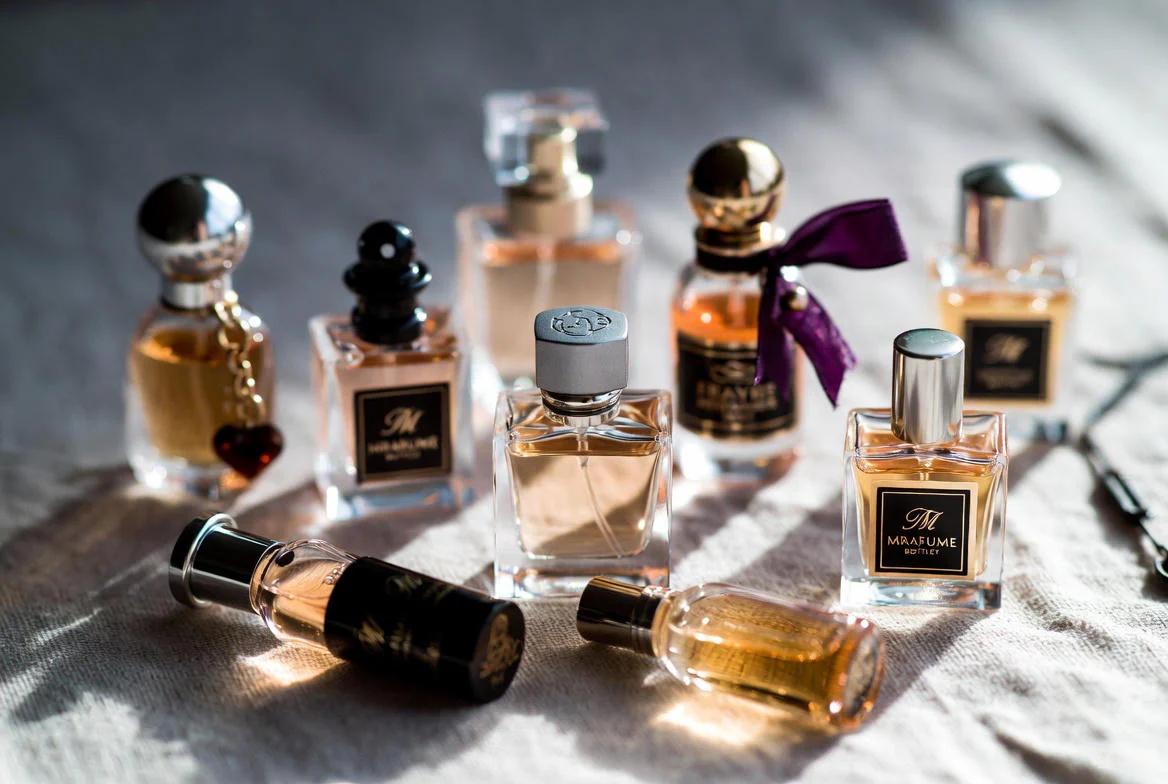
Fragrance now accounts for 9% of TikTok Shop's beauty GMV despite representing only 4% of prestige retail shelf space — a structural dislocation that signals a fundamental redistribution of category power, not a cyclical sales spike. Short-form video is compressing the discovery-to-purchase funnel
Fragrance's Social Commerce Inflection: TikTok Shop's $1.8B Perfume Opportunity Signals Channel Reset
Fragrance now accounts for 9% of TikTok Shop's beauty GMV despite representing only 4% of prestige retail shelf space — a structural dislocation that signals a fundamental redistribution of category power, not a cyclical sales spike. Short-form video is compressing the discovery-to-purchase funnel in ways that favor fragrance's intrinsic storytelling assets: emotion, memory, identity, ritual. The channel is doing what department store counters once did at scale — converting ambient cultural interest into transactional intent — but with an addressable audience that operates outside traditional prestige gatekeeping. For brand managers and retail strategists, this isn't a marketing story. It's a distribution architecture story.
The Oversized GMV Share Reveals a Category Mispricing
The 9%-versus-4% divergence is a signal of category underrepresentation in traditional retail, not merely a social commerce anomaly. Fragrance has historically been constrained by a prestige retail model that favors established fragrance houses — LVMH's Parfums Christian Dior, Chanel's Les Exclusifs, Estée Lauder's Jo Malone London — and gatekeeps shelf space through controlled distribution agreements and minimum volume thresholds. TikTok Shop removes that bottleneck entirely. Indie founders with compelling olfactive narratives and visually strong packaging are capturing GMV that the traditional wholesale model would have structurally denied them. The channel is functioning as a portfolio reset mechanism for the category — redistributing commercial access in ways that M&A activity alone cannot.
Short-Form Video Solves Fragrance's Legacy Discovery Problem
Fragrance has always confronted an insurmountable e-commerce paradox: the product cannot be experienced digitally. The industry's response — sampling programs, editorial fragrance wheels, retailer discovery kits — addressed the problem partially but never resolved the core acquisition challenge at scale. TikTok's algorithm has produced an unexpected workaround. Creators narrate scent through emotional proxy — describing a fragrance as "the feeling of arriving somewhere expensive" or "a library on a rainy afternoon" — and audiences convert on affect rather than olfactive confirmation. This is a meaningful behavioral shift. It positions fragrance closer to beauty's impulse-purchase mechanics while preserving its premiumization narrative, a combination that brand architects have pursued for decades without a reliable channel to execute it.
Heritage houses are paying close attention. The masstige tier — accessible luxury fragrance priced between $60 and $150 — is outperforming both the entry and ultra-prestige segments on TikTok Shop, suggesting that the platform's sweet spot aligns precisely with where strategic fragrance portfolios are concentrating investment. Brands that have historically operated across a broad price architecture are beginning to rationalize SKU density around this tier to optimize for TikTok's conversion mechanics.
Distribution Architecture Must Adapt to Dual-Channel Reality
The strategic implication for fragrance brands is a necessary renegotiation of channel mix. Wholesale relationships with Sephora, Harrods, Bloomingdale's, and MENA regional operators like Alshaya Group remain essential for brand equity scaffolding — the prestige positioning that social commerce alone cannot confer. But TikTok Shop is now a viable primary revenue channel for brands at the $5M to $50M revenue stage, a tier where every incremental point of customer acquisition cost matters significantly. The brands executing this most effectively are running TikTok Shop as a parallel revenue engine rather than a marketing amplification tool, with dedicated inventory allocation, creator partnership budgets, and fulfillment infrastructure built to the channel's specific demand patterns. Distribution architecture that treats social commerce as subordinate to wholesale will underperform against those treating it as co-equal.
Founder-led brands carry a structural advantage here. The authenticity premium that TikTok's algorithm rewards maps naturally onto the origin narratives that independent fragrance founders possess — provenance, sourcing philosophy, personal creative history. This dynamic is already influencing early-stage M&A conversations, with acquirers evaluating social commerce velocity alongside traditional wholesale door counts when assessing brand value in the category.
The Forward Position: Channel Intelligence as Competitive Infrastructure
The brands that will define fragrance's next commercial cycle are those building channel intelligence into their operating model — not as a quarterly retrospective, but as a live input to portfolio strategy, pricing architecture, and distribution sequencing. TikTok Shop's fragrance overperformance is a directional signal that the category's premiumization trajectory is no longer exclusively governed by the prestige retail infrastructure that defined it for the previous four decades. The customer acquisition logic has changed. The discovery mechanism has changed. The conversion geography has changed. Brand managers and founders who internalize this as a structural shift — rather than a trend to be monitored — will be positioned to capture the category's next distribution inflection before it becomes consensus.
The $1.8B opportunity is not in the platform. It is in the strategic reorientation that the platform demands.