Beauty of Joseon's $20 Tinted Mineral Dayscreen: How a $2.4B K-Beauty Export Market Is Forcing Brands to Rebuild Their U.S. Portfolios From the Filter Up

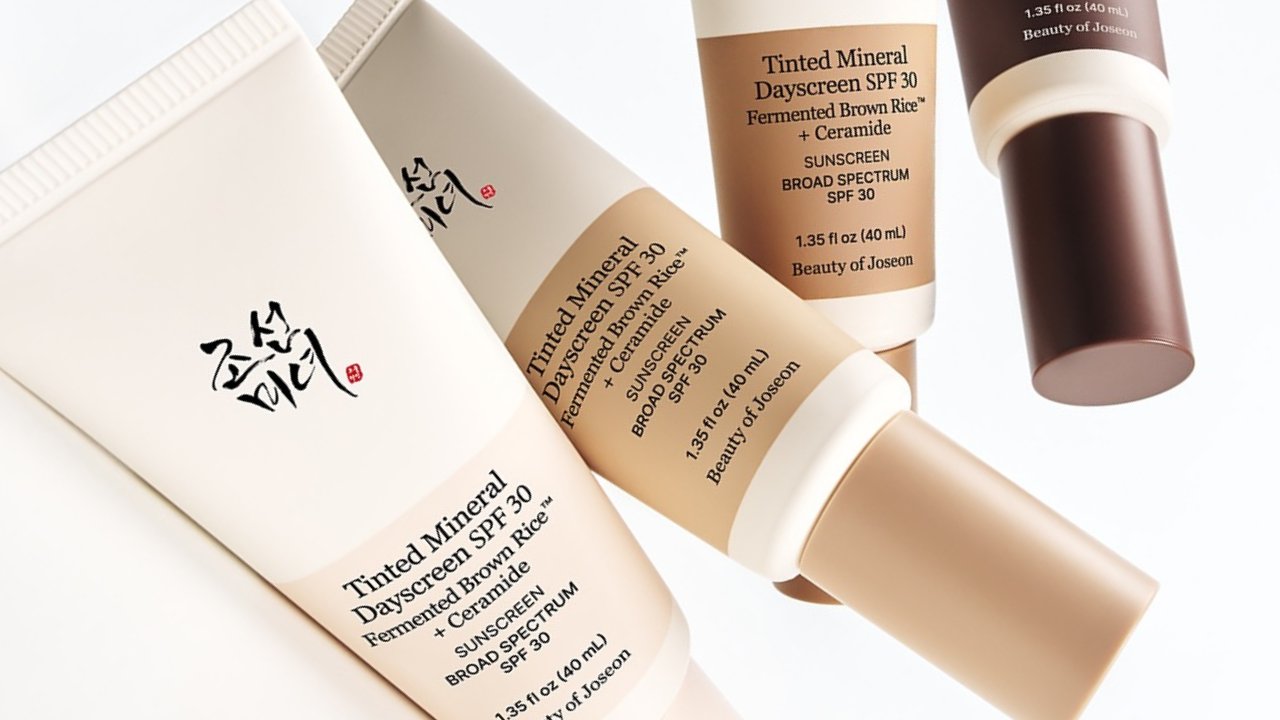
The global sunscreen market is projected to reach $16.8 billion by 2028, compounding at a CAGR of 5.3%, yet the United States remains one of the most structurally constrained entry points for international SPF brands, a regulatory paradox that is actively reshaping how Korean beauty companies architect their distribution strategies stateside. Beauty of Joseon, the Seoul-based brand that built a nine-figure global revenue trajectory on clinically elegant sunscreen formulations, is confronting this constraint in real time. Its newly launched Tinted Mineral Dayscreen SPF 30, retailing at $20, is not simply a product extension. It signals a calculated portfolio reset designed to protect the brand's prestige positioning in the world's largest beauty retail economy without conceding the formulation integrity that generated its cult capital. For brand strategists and investors tracking K-beauty's next phase of Western penetration, this launch is worth parsing carefully.
U.S. Regulatory Architecture Is Forcing a Category Rethink
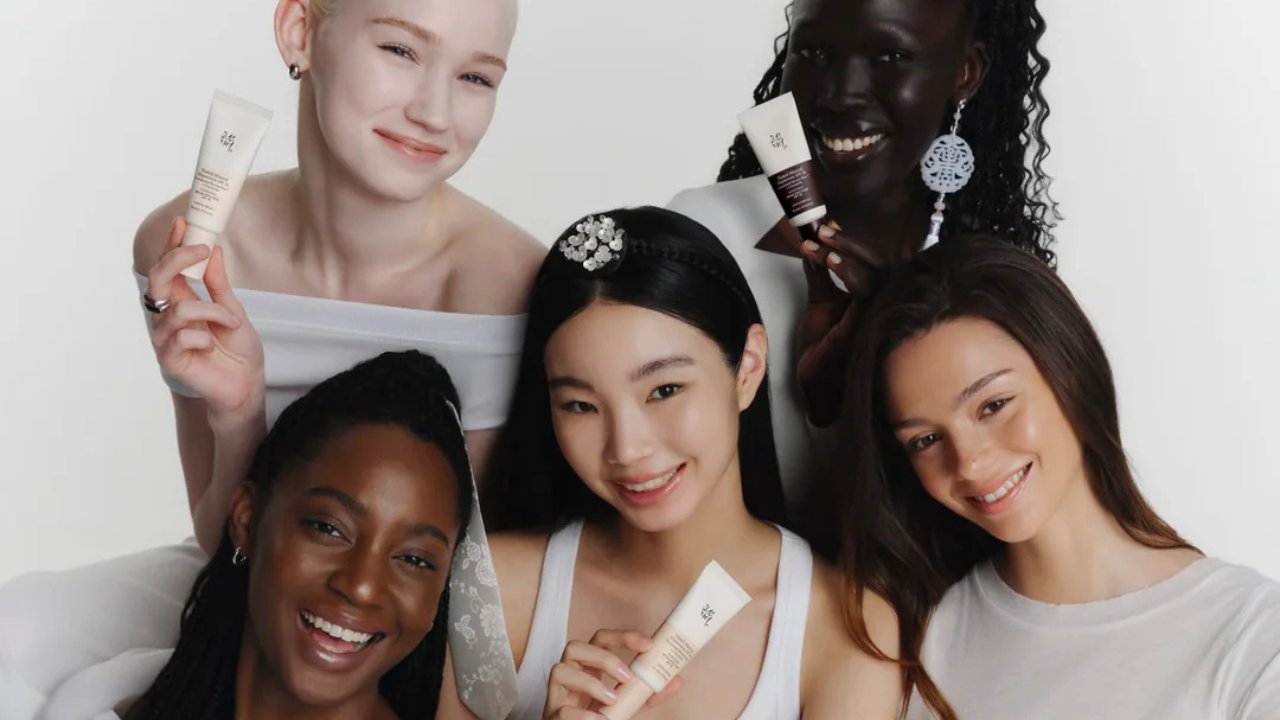
Korea's UV filter library exceeds 30 approved actives. The U.S. FDA, operating under a monograph system last substantively updated in 1999, permits fewer than half that number for OTC use. Brands like Beauty of Joseon that built their technical reputation on next-generation filters, including Tinosorb S and Uvinul A Plus, face an acute formulation gap the moment they prioritize U.S. retail shelf placement. The Tinted Mineral Dayscreen resolves this by centering non-nano zinc oxide as the sole active, a choice that preserves regulatory compliance, appeals to the sensitive-skin consumer cluster, and aligns with the clean beauty positioning that continues to command premium real estate at Sephora, Ulta, and specialty retail. The 15-shade tint range, with clinically tested results on skin evenness lasting up to 12 hours, is not cosmetic novelty. It is a deliberate masstige maneuver to widen addressable consumer demographics without a price-point concession.
Prestige Positioning at a $20 Price Point Is a Strategic Calculation
Twenty dollars sits precisely at the inflection point between mass and prestige in the U.S. SPF category. It undercuts Elta MD's UV Clear at $36 and EltaMD's Tinted SPF at $41 while sitting well above CeraVe's $15 mineral formulations. Beauty of Joseon is not competing on price. It is competing on perceived formulation sophistication, a strategy built on ingredient architecture that mirrors prestige price codes, including fermented brown rice extract, ceramides, adenosine, and vitamin E, while maintaining an accessible entry price that drives trial velocity. For retail partners evaluating category contribution margin, a $20 SKU with strong unit velocity can outperform a $40 SKU with selective uptake. That calculation matters directly to category buyers at Ulta and to the specialty retailers who anchor the brand's current U.S. distribution footprint.
Distribution Architecture Determines Whether the Pivot Holds
Beauty of Joseon's U.S. retail presence, currently anchored through e-commerce and select Ulta Beauty placement, is at an inflection point. The Tinted Mineral Dayscreen is the kind of hero SKU that justifies a broader shelf conversation, giving retail buyers a multi-use, shade-inclusive, clinically substantiated product that speaks to three category adjacencies simultaneously: SPF, skin tint, and barrier care. Brands that can credibly occupy adjacent shelf positions, whether in sun care or complexion, hold structural leverage in assortment negotiations. This matters particularly as major U.S. retailers tighten their vendor rosters following post-pandemic SKU rationalization. A well-executed product like this one is an argument for expanded distribution, not just a line extension.
The M&A Lens: K-Beauty's Next Consolidation Target
Amorepacific and LG H&H have spent the better part of a decade acquiring or incubating brands capable of competing in the U.S. prestige channel. Smaller, independently operated houses like Beauty of Joseon represent the next tier of consolidation interest, particularly as their organic digital audiences translate directly into defensible DTC revenue. A brand that has already navigated U.S. regulatory adaptation, built a multi-shade SPF franchise, and maintained formulation credibility at accessible price points is precisely the profile that strategic acquirers in the beauty conglomerate space are tracking. The Tinted Mineral Dayscreen, at $20 and 15 shades, is not just a product. It is a proof-of-concept for scalable U.S. market execution.
The regulatory gap between the U.S. and APAC sunscreen markets is unlikely to close before 2030, given the pace of FDA monograph reform. Brands that invest now in compliant, consumer-legible reformulations will own the category architecture when that gap finally narrows.
This article references and builds on original reporting by Britt Fallon for newbeauty.com. Read the original piece here: https://www.newbeauty.com/view/beauty-of-joseon-tinted-mineral-dayscreen-spf-30-review. BeautyScale is a commercial agency; our editorial notes are commentary on industry reporting.
Ruth Estabillo
Beauty market analyst covering trends, brands, and distribution shifts.