Alternative Beauty's $8B Blind Spot: How Unearthly Cosmetics Signals a Distribution Gap Worth Capturing

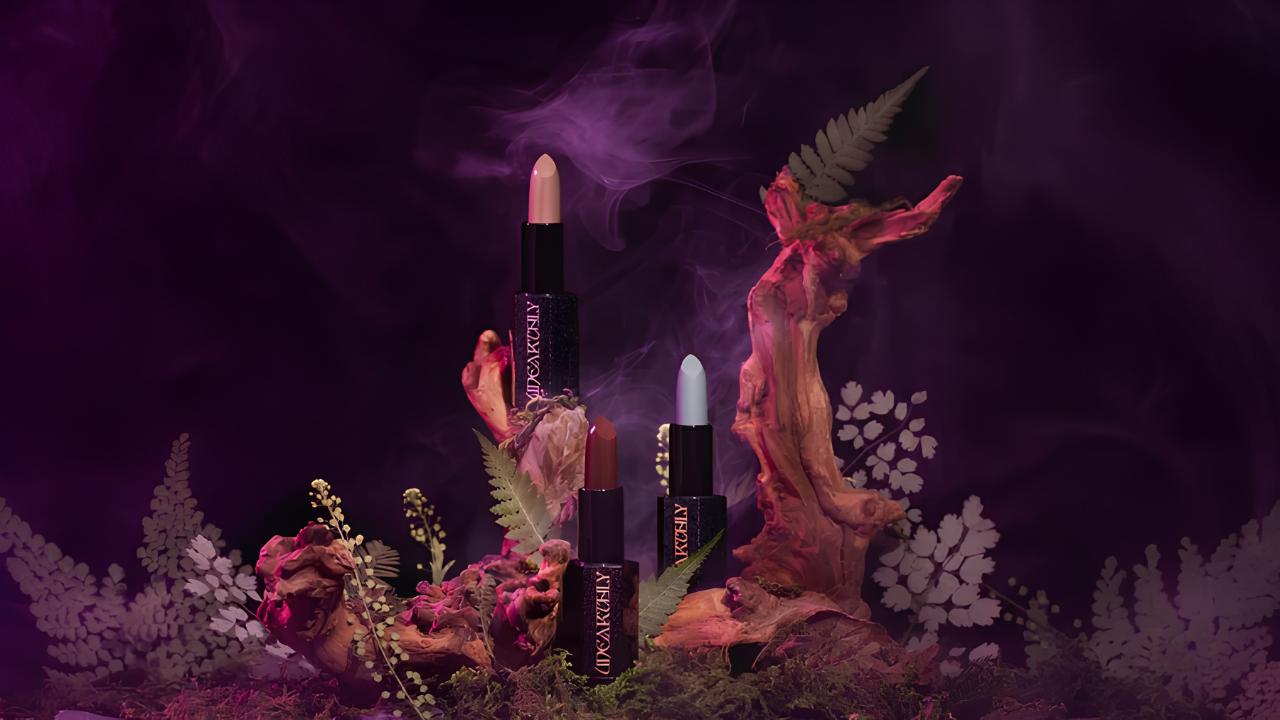
The global color cosmetics market is projected to reach $107 billion by 2029, yet the alternative beauty segment, anchored in goth, Y2K revival, and subculture-forward aesthetics, captures less than 8 percent of prestige retail shelf space despite commanding disproportionate social engagement rates. Unearthly Cosmetics, a direct-to-consumer indie brand operating at price points between $8 and $74, represents a class of challenger labels that major distribution networks have systematically underweighted. That oversight is becoming increasingly costly as Gen Z consumers redefine prestige on aesthetic terms rather than legacy brand equity. The strategic question for retail buyers, M&A analysts, and portfolio managers is no longer whether alternative beauty belongs in prestige channels. It is which brands will survive the transition from DTC novelty to scalable retail asset.
Price Architecture Reveals a Masstige Play in Progress
Unearthly Cosmetics operates across a notably wide price corridor, with lip liners entering at $8 and full eyeshadow palettes reaching $74, a spread that reflects intentional masstige positioning rather than inconsistent pricing strategy. The brand's palette architecture, anchored by hero SKUs like the Gothic Romance Palette at $68 and the Just a Taste Palette at $74, places it within reach of Anastasia Beverly Hills and NARS at specialty retail. Meanwhile, the $12 to $22 entry tier, populated by individual blushes, bronzers, and single eyeshadows, functions as a recruitment layer for new consumers. This dual-tier construction mirrors the distribution architecture that brands like ColourPop used to build retail readiness before Ulta Beauty expanded their shelf presence. For a potential acquirer or retail partner, the existing price ladder reduces the need for portfolio reset prior to channel expansion.
DTC Saturation and the Case for Specialty Retail Entry
Unearthly Cosmetics currently operates as a Shopify-native DTC brand, a model that delivered outsized returns between 2019 and 2022 but now faces structurally higher customer acquisition costs as Meta and TikTok CPMs continue to climb. DTC-only color cosmetics brands have seen customer acquisition costs rise an average of 32 percent year-over-year since 2022, according to Klaviyo cohort benchmarking data, compressing margins that indie founders rarely publicize. The brand's heavy reliance on seasonal collections, including the Fright Night Collection and its preorder-heavy launch cadence, indicates strong community pull but also signals inventory risk that specialty retail infrastructure would stabilize. A distribution partnership with Ulta Beauty, Hot Topic's beauty adjacencies, or an APAC-facing platform like Olive Young would immediately de-risk that concentration while expanding the brand's addressable consumer base across geographies where alternative aesthetics have accelerating cultural relevance.
Collaboration Architecture as M&A Signal
The presence of a co-branded SKU, the CQ x Unearthly Menacing Cream Lipstick, within the brand's active catalog is a data point investors should not overlook. Collaboration-led growth is a proven premiumization mechanism in color cosmetics, and brands that demonstrate successful co-development at the indie level tend to attract acquisition interest from strategic buyers looking for culturally credible assets. The Menacing Metals lipstick franchise, spanning more than 20 individual SKUs at $20 to $24, functions as a proprietary finish technology that a larger parent could scale across additional categories and price tiers. For a strategic acquirer, a finish-led brand identity is considerably more defensible than a color story, because finish technology transfers across formulas, formats, and consumer segments. Coty Inc., e.l.f. Beauty, and Forme Capital-backed portfolio operators have all demonstrated appetite for exactly this profile of asset in recent M&A cycles.
The Premiumization Ceiling and What Comes Next
The forward trajectory for brands like Unearthly Cosmetics depends on whether they can execute prestige positioning before the alternative beauty window narrows. The Y2K and goth revival cycles are currently mid-wave, and historical subculture trend data suggests a three-to-five year commercialization window before mainstream saturation dilutes brand authenticity. Brands that establish specialty retail footholds and strategic partnerships within that window tend to retain community credibility while achieving the revenue scale necessary for institutional interest. Unearthly Cosmetics has assembled the core components: a defensible finish technology, a layered price architecture, a collaborative track record, and a consumer base with measurably high repeat purchase behavior. The remaining variable is distribution architecture, and that decision, whether to seek a retail partner, a licensing agreement, or a strategic acquirer, will determine whether this brand becomes a catalog footnote or a category anchor.
This article references and builds on original reporting by unearthlycosmetics.com. Read the original piece here: https://www.unearthlycosmetics.com/. BeautyScale is a commercial agency; our editorial notes are commentary on industry reporting.
Nya Ravel
Beauty market analyst covering trends, brands, and distribution shifts.