Acne's $13.6B Inflection Point: How Therapeutic Skincare Is Forcing a Portfolio Reset Across Prestige and Mass Channels
The global acne treatment market is projected to reach **$13.6 billion by 2031**, expanding at a CAGR of 5.8% — and the brands best positioned to capture that growth are not the legacy pharmaceutical labels that dominated the category for decades, but a new tier of clinically-informed prestige players executing aggressive distribution architecture pivots in real time.
Acne's $13.6B Inflection Point: How Therapeutic Skincare Is Forcing a Portfolio Reset Across Prestige and Mass Channels
The global acne treatment market is projected to reach $13.6 billion by 2031, expanding at a CAGR of 5.8% — and the brands best positioned to capture that growth are not the legacy pharmaceutical labels that dominated the category for decades, but a new tier of clinically-informed prestige players executing aggressive distribution architecture pivots in real time.
Acne, long siloed within drugstore aisles and dermatology waiting rooms, is undergoing a fundamental repositioning across the beauty value chain. The condition affects an estimated 85% of the global population at some point during their lifetime — a consumer base so broad it defies conventional demographic segmentation. What has changed is not prevalence, but commercial framing: acne care is now being architected as a prestige skincare entry point, a masstige growth engine, and a legitimate M&A target simultaneously.
---
Distribution Architecture Is the Decisive Variable
The category's explosive commercial momentum is not driven by formulation innovation alone — it is driven by where brands are choosing to sell, and how those channel decisions signal positioning intent. Brands including Topicals, Tower 28, and Hero Cosmetics have each pursued deliberate Sephora and Ulta Beauty placements that reframe acne treatment as a skincare lifestyle purchase rather than a remedial transaction.
That channel migration carries measurable margin implications. Prestige positioning through specialty retail commands price points 2.4x to 3.8x above mass equivalents for functionally comparable actives — salicylic acid, niacinamide, benzoyl peroxide — with brand equity, aesthetic packaging, and clinical storytelling absorbing the price premium. Retailers are responding accordingly: Ulta's prestige skincare segment grew at double the rate of its mass skincare segment in fiscal 2023, with acne-adjacent SKUs among the highest-velocity additions.
---
The M&A Signal Embedded in Therapeutic Skincare
Strategic consolidation across the broader skincare category has consistently lagged the acne segment's organic growth trajectory — but that gap is closing. Unilever's acquisition of Paula's Choice in 2021 and L'Oréal's sustained investment in La Roche-Posay's dermocosmetics infrastructure both signal that major conglomerates are recalibrating toward science-forward skincare platforms with acne as a core indication pillar.
Smaller, independent acne-focused brands with clean cap tables, proprietary clinical data, and demonstrated DTC unit economics are now surfacing as credible acquisition targets. BeautyScale intelligence identifies Hero Cosmetics — acquired by Church & Dwight for $630 million in 2022 — as the clearest precedent: a brand that collapsed the distance between mass accessibility and clinical credibility, making it simultaneously attractive to a consumer staples acquirer seeking premiumization optionality. Expect GCC-based beauty conglomerates and APAC regional players to increase acne-category M&A activity through 2026 as domestic skin tone diversity demands locally-informed therapeutic formulations.
---
Premiumization Is Outpacing the Prescription Model
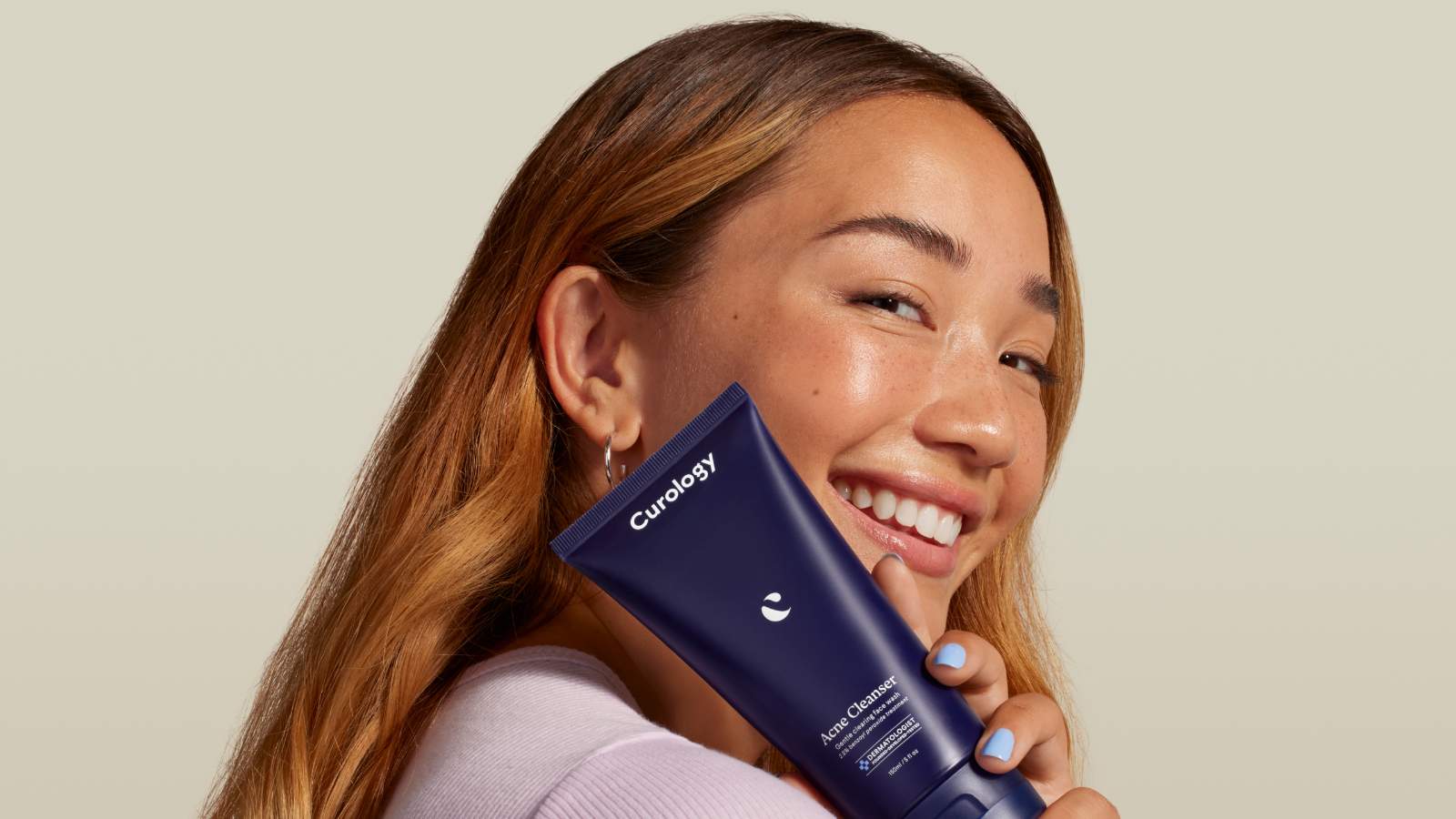
The traditional dermatologist-to-pharmacy pipeline for acne treatment is being disintermediated at pace. Telehealth platforms including Apostrophe and Curology have already migrated a meaningful portion of prescription-equivalent acne treatment into DTC subscription architectures — capturing recurring revenue that historically belonged to retail pharmacy. The commercial implication for brand managers is significant: clinical authority is now a buildable brand asset, not a regulatory gatekeep.
This shift accelerates premiumization across the full acne category stack. Consumers who begin acne treatment journeys through telehealth or specialty retail develop category fluency rapidly — increasing average basket size and cross-category pull into serums, moisturizers, and SPF. That consumer lifetime value calculation is reshaping how brand founders and investors model acne-category TAM. The addressable market is not a single SKU occasion; it is a full skincare ecosystem entry point with compounding revenue potential.
---
MENA and APAC Represent the Category's Next Demand Frontier
In MENA, humidity-driven acne prevalence combined with rising disposable income and Sephora Middle East's aggressive prestige skincare expansion creates a structurally underpenetrated opportunity. GCC-specific consumer skin profiles — higher melanin concentrations, distinct sebum production patterns — remain poorly served by Western acne formulations, creating white space for either localized brand development or adapted portfolio extensions from existing players.
APAC tells a parallel story: South Korea's domestic skincare sophistication has already normalized multi-step acne management as routine behavior, while Southeast Asian markets are transitioning from mass acne treatment toward masstige and prestige tiers at an accelerating rate consistent with broader income premiumization trends.
The brands that will define the acne category's next commercial chapter are those treating distribution architecture as a strategic asset, clinical data as a moat, and geographic expansion as a sequenced capital allocation decision — not an afterthought. The $13.6 billion figure is a floor, not a ceiling.